Wet drywall can look dry on the surface and still hold enough moisture to grow mold behind it. That is why serious water damage calls for structural drying, a controlled process that pulls moisture out of framing, subfloors, and wall cavities. At RemediH2O, our IICRC-certified team handles this daily across Silt, Aspen, and Colorado’s Western Slope, and we want to explain how it actually works.
What Is Structural Drying?
Structural drying is the process of removing trapped moisture from a building’s bones: the framing, subfloor, drywall, and insulation. It goes well beyond wiping up standing water. The goal is to bring materials back to their normal dry state before mold, warping, or rot sets in.
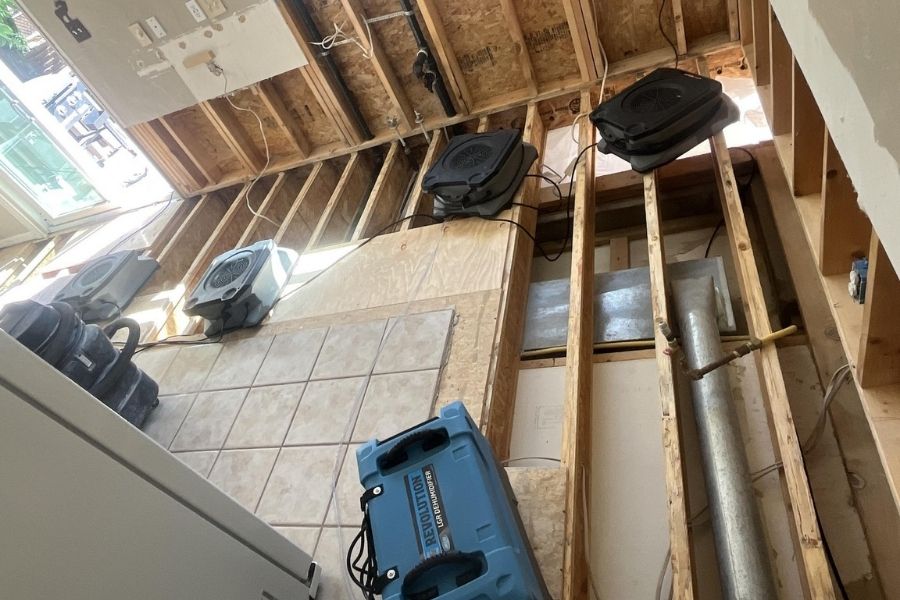
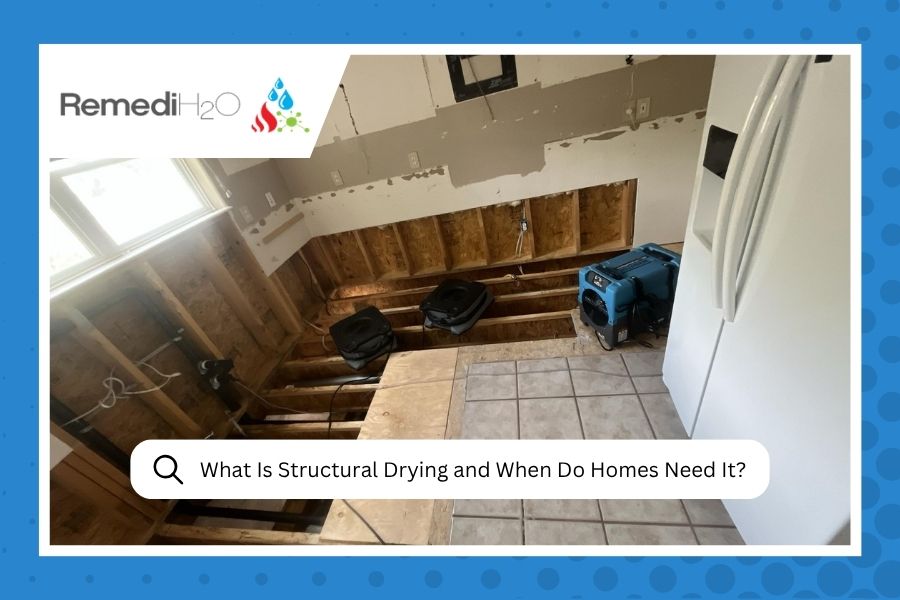
Air movers and dehumidifiers work together to dry a home’s framing and subfloor after water damage.
Think of your home like a sponge. Surface water is easy to see and mop. The water soaked deep inside the “sponge” of your walls and floors is the part that causes real trouble. That hidden moisture is exactly what this process targets.
We measure success with numbers, not guesses. Our techs use moisture meters and thermal cameras to confirm each material has returned to a safe, documented dry standard.
When Do Homes Actually Need It?
Homes need structural drying any time water reaches porous building materials and sits long enough to soak in. A quick spill on tile? Probably fine. A burst pipe that flooded a subfloor overnight? That needs real drying equipment and a plan.
Here in the Roaring Fork Valley, we see the same culprits over and over. Winter is especially rough on mountain homes.
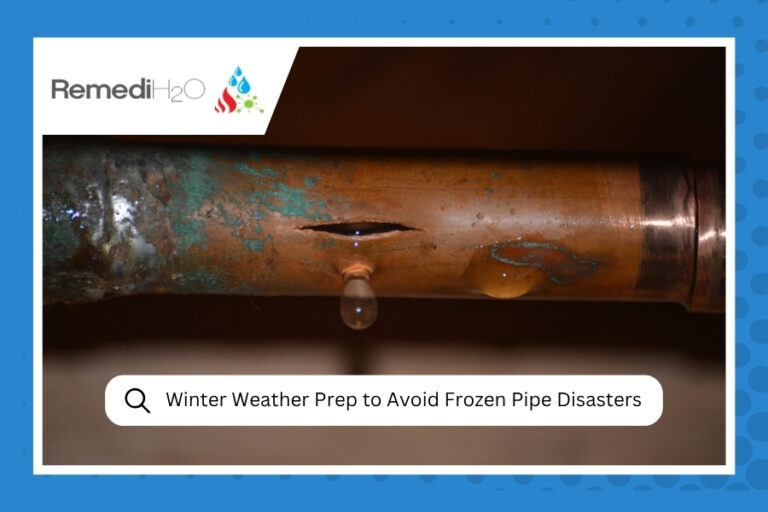
- Frozen or burst pipes. A common winter emergency from Carbondale to Glenwood Springs.
- Basement flooding. Many local homes have basements that collect water fast.
- Sump pump failure. When the pump quits, groundwater has nowhere to go.
- Appliance leaks. Dishwashers, water heaters, and washing machines fail without warning.
- Roof and ice dam leaks. Snowmelt finds its way into ceilings and wall cavities.
One clear signal is time. The EPA notes that mold can start growing within 24 to 48 hours of water exposure, per its guide to mold and moisture in the home. If materials stay wet past that window, drying stops being optional.
Standing water or a soaked floor right now? Every hour counts once framing gets wet.
How the Drying Process Works
Structural drying follows a clear sequence built on building science, not luck. We control temperature, airflow, and humidity together so moisture leaves the materials and exits the home for good. Rushing one step ruins the rest.
Step 1: Inspection and Moisture Mapping
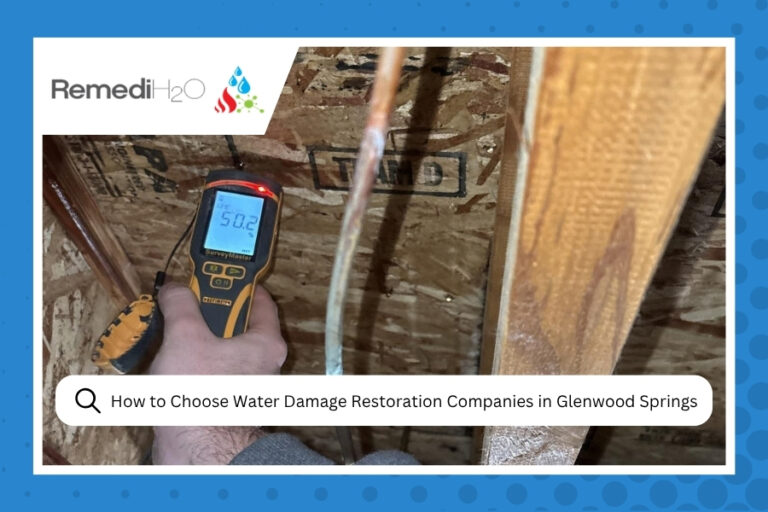
First, we find every wet spot, including the ones you can’t see. Thermal imaging and moisture meters show us how far water traveled inside walls and under floors. This map guides the entire job.
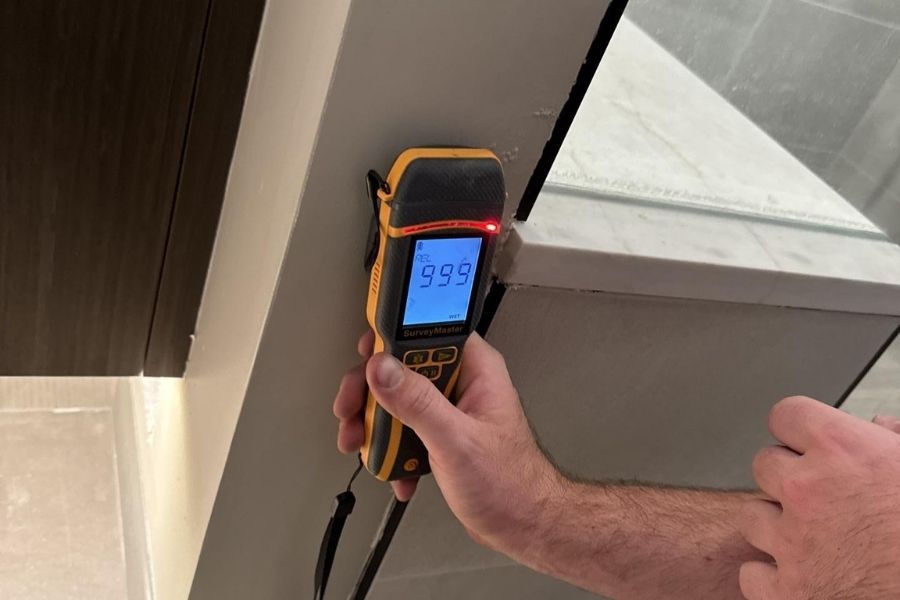
A moisture meter reveals water trapped inside a wall that looks dry on the surface.
Step 2: Water Extraction
Next, we pull out any standing or absorbed water with truck-mounted and portable extractors. Removing bulk water first makes the actual drying far faster and cheaper. It is the single biggest time-saver.
Step 3: Evaporation and Air Movement
Then air movers go to work. Placed at precise angles, they lift moisture off wet surfaces and turn it into vapor. Good technicians know that spacing and direction matter as much as the number of fans.
Step 4: Dehumidification
Here is the part people forget about entirely. All that evaporated moisture is now floating around in your air, so we run commercial dehumidifiers to trap and pull it out of the home. Without this step, the water simply resettles into dry materials nearby.
Step 5: Monitoring and Verification
Finally, we return daily to check readings and adjust equipment. When every material hits its documented dry goal, the job is done. We hand you proof, which your insurer will want. RemediH2O works directly with insurance companies to keep that paperwork simple.
| Equipment | Its Job | Why It Matters |
|---|---|---|
| Moisture meter | Measures water inside materials | Confirms drying is real, not guessed |
| Air mover | Speeds surface evaporation | Turns trapped water into vapor |
| Dehumidifier | Pulls vapor from the air | Stops moisture from resettling |
| Thermal camera | Reveals hidden wet areas | Finds water behind walls |
Why Local Construction Types Change the Plan
No two homes dry the same way, and Western Slope construction has its own quirks. A drying plan built for a slab home in Grand Junction won’t fit a century-old cabin near Aspen. Material and design drive the approach.
Older mountain homes often hide surprises. We find double subfloors, dense hardwoods, and thick log walls that hold water far longer than modern drywall does.
Newer builds bring their own challenge. Tight, energy-efficient homes trap humidity inside, so aggressive dehumidification becomes critical. If you want the deeper science here, our post on signs of water damage behind walls covers what hides in wall cavities.
Basements and crawl spaces add another layer. Because so many local homes sit on them, we plan for cold concrete and poor airflow that slow evaporation. Our winter prep guide for mountain homes explains why these spaces freeze and leak.
Can You Skip It and Dry Things Yourself?
Sometimes, yes. A cup of water on a sealed floor doesn’t need a restoration crew. Grab a towel and move on with your day.
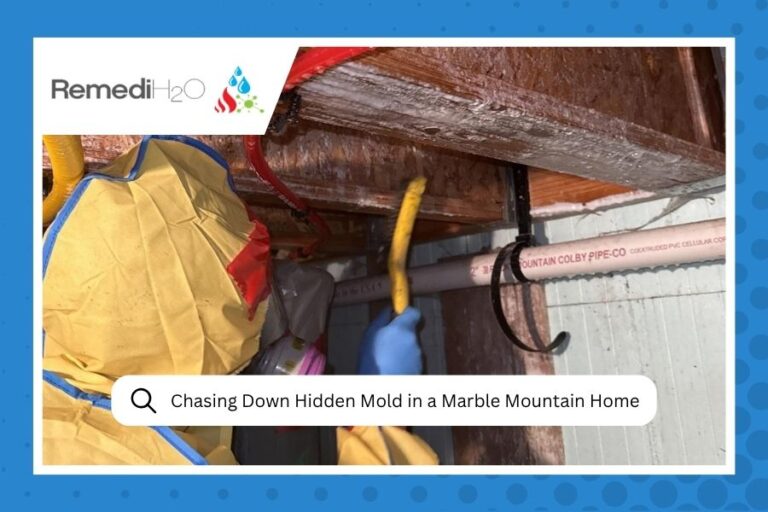
But box fans and open windows can’t dry soaked framing or wet insulation. They move air without removing the humidity, so moisture just relocates deeper into your home. That is how a small leak becomes a big mold remediation project weeks later.
When water touches drywall, carpet, or wood for more than a day, call a pro. The Institute of Inspection, Cleaning and Restoration Certification sets the S500 water damage standard our crews follow for a reason. Curious how insurance fits in? Our breakdown of water damage coverage in Colorado is a helpful next read.
Frequently Asked Questions
How long does structural drying take?
Most jobs take three to five days, though heavily soaked or older homes can run longer. The exact time depends on how far the water spread, the materials involved, and how fast you called us. Daily monitoring tells us the real finish date.
Will my home smell musty after drying?
It shouldn’t, if the job is done right. A lingering musty smell usually means moisture was left behind or mold already started. That is why we verify dryness with meters instead of trusting our noses.
Can I stay in my house during the process?
Often, yes, though the equipment is loud and runs around the clock. For small jobs, most families stay put. For large floods affecting bedrooms or kitchens, temporary lodging may be more comfortable.
Does homeowners insurance cover structural drying?
Usually, when the water comes from a sudden covered event like a burst pipe. Gradual leaks from neglect are often excluded. We document every reading and work with your adjuster to support the claim.
Water damage never waits for a good time. If a pipe bursts or a basement floods anywhere from Silt to Aspen, our IICRC-certified team is ready 24/7 to dry it right the first time. Reach out and let RemediH2O restore your home to normal, fast.