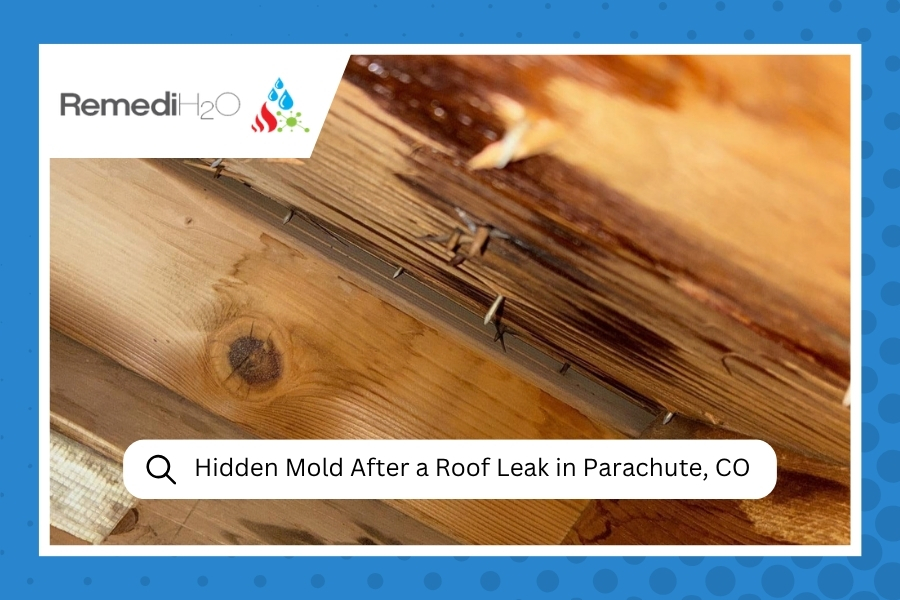
When a Parachute homeowner called us last summer, the emergency was over. A roof leak had soaked his living room ceiling months earlier, a contractor had patched the roof, and everything looked dry. Still, something felt off, so he asked our team about mold remediation to check for hidden microbial growth. Smart instinct. Here is what we found on this Parachute, CO project, and how RemediH2O handled it.
A Fixed Leak Does Not Always Mean a Fixed Problem
A patched roof stops new water from getting in. It does not undo the damage the old water already caused. Once drywall and insulation get wet, they can stay stained or contaminated long after they feel dry to the touch.
That gap between “looks fine” and “is fine” is why this homeowner reached out. The old leak had run down a ceiling seam in his living room. By the time we arrived in June, the roof was sealed and the drywall was dry. From the couch, the ceiling looked like a small cosmetic issue. From the attic, it told a different story.
What Our Parachute Mold Inspection Found
We checked the living room, bathroom, and attic for visible damage and suspect microbial growth from that old leak. No active moisture showed up on our meters. But we found clear proof that water had already done its work above the ceiling.
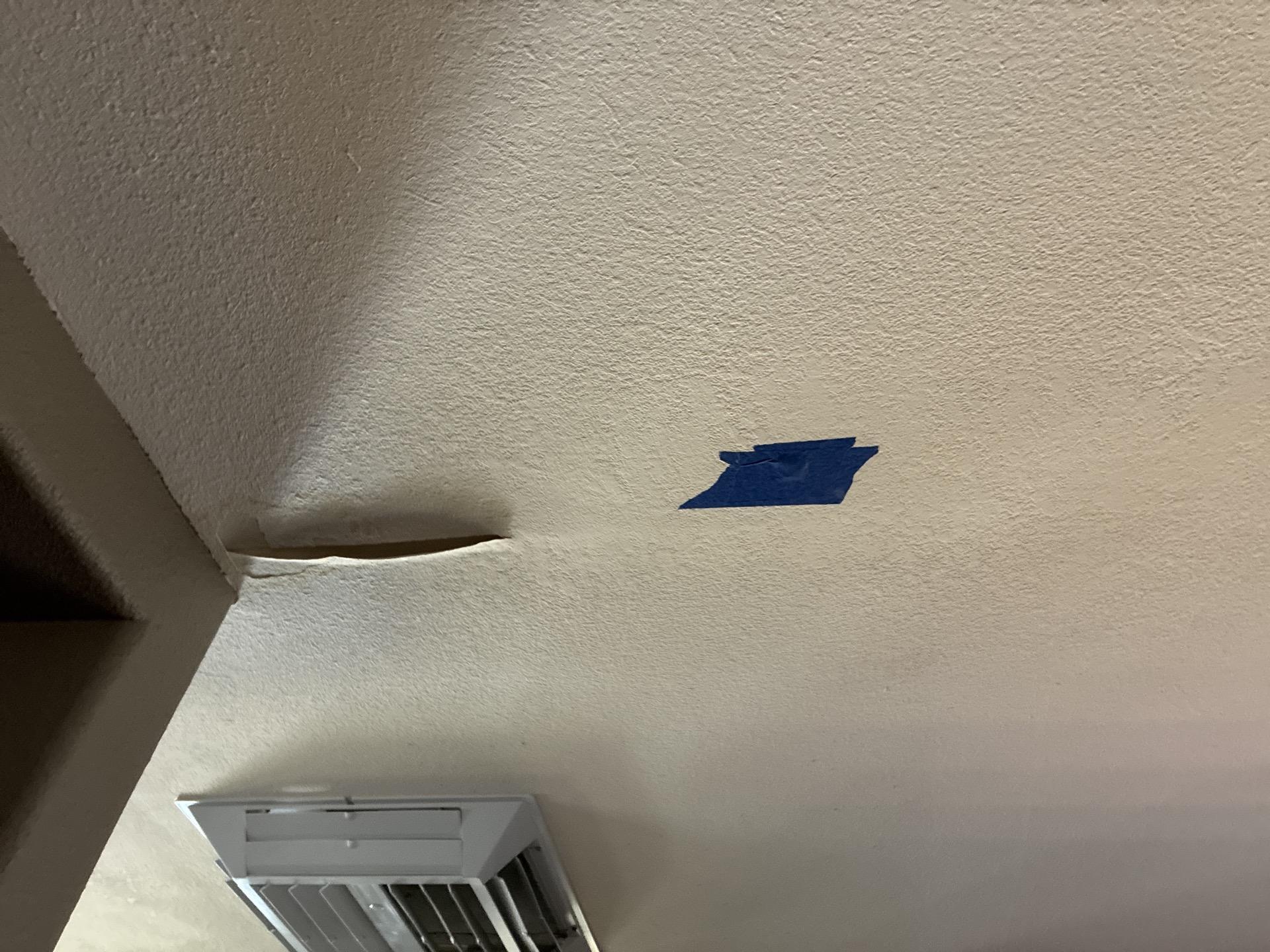
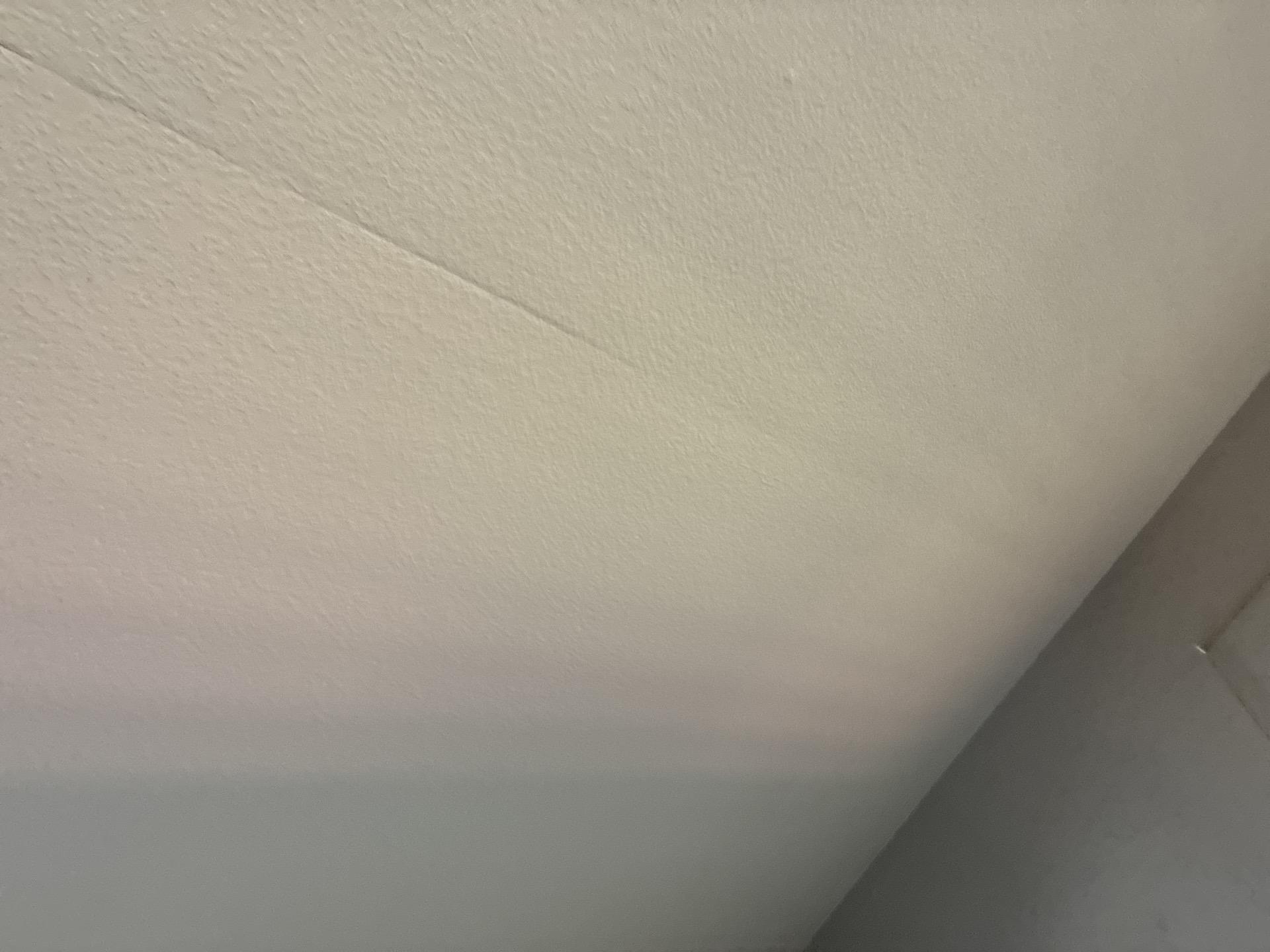
- Living room: paint chipping and seam tape peeling on the ceiling, classic signs of a drywall joint that soaked and later dried.
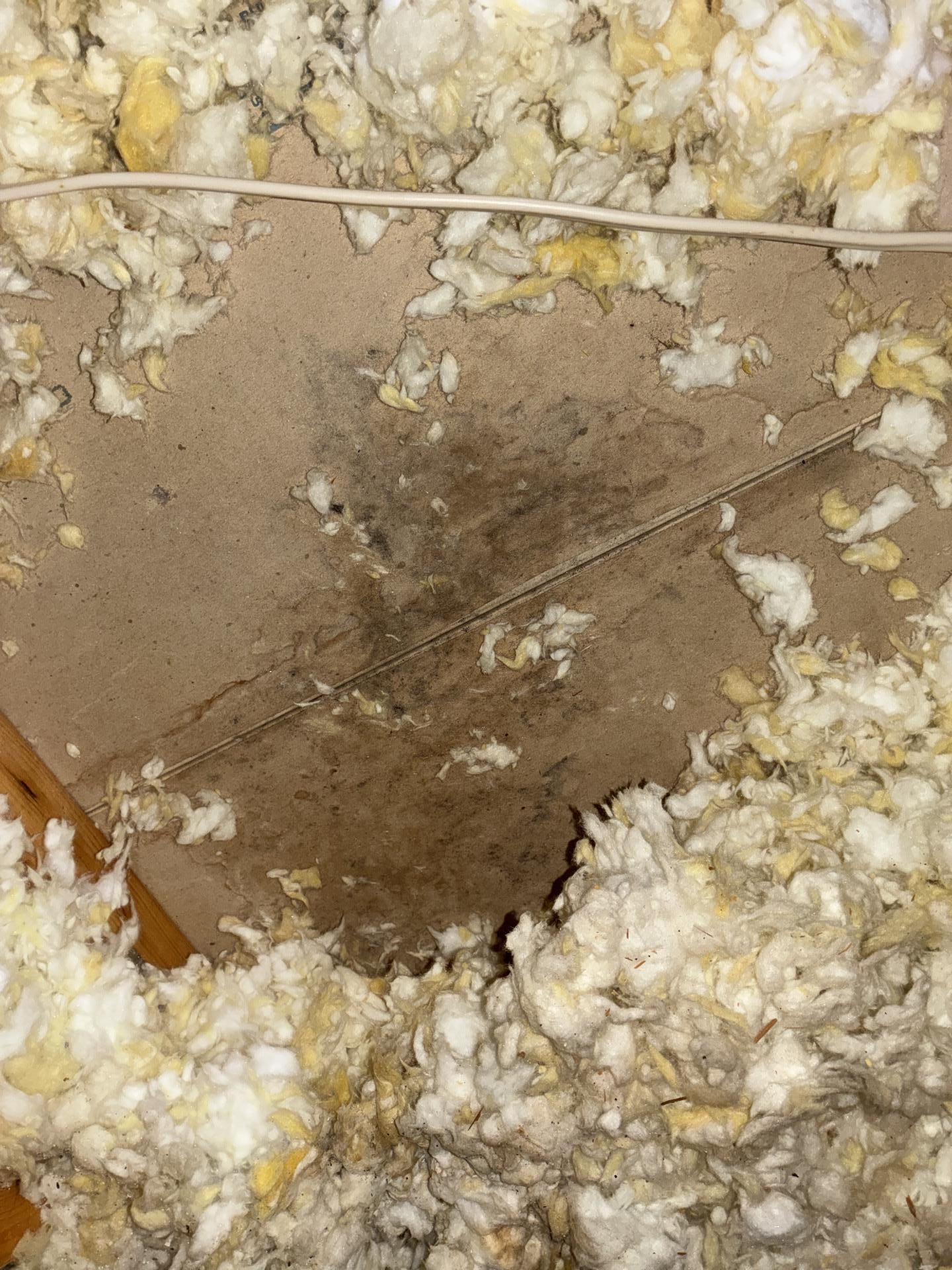
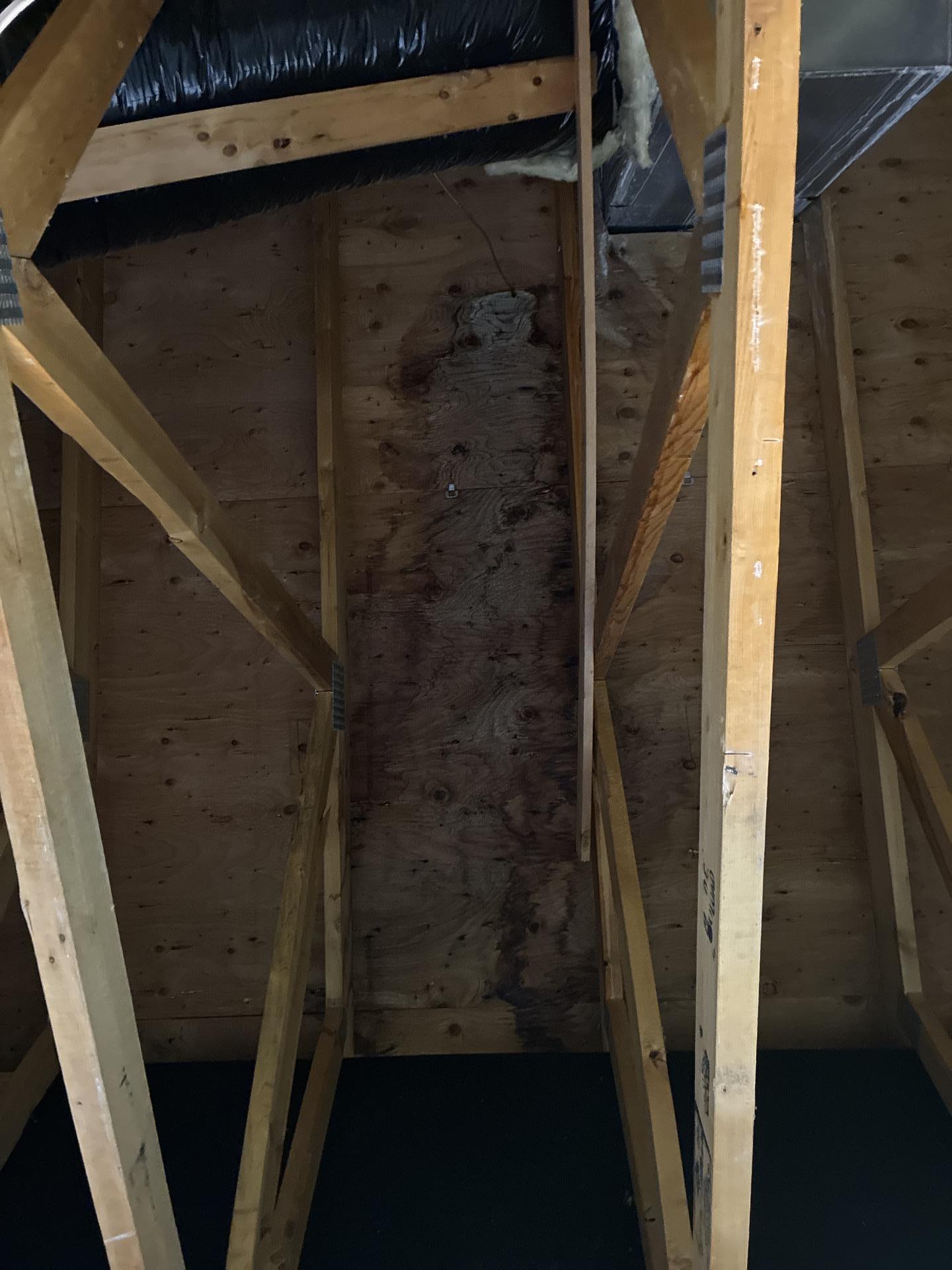
- Attic: minor suspect microbial growth on the topside of the drywall, right above the stained ceiling and near an exterior wall.
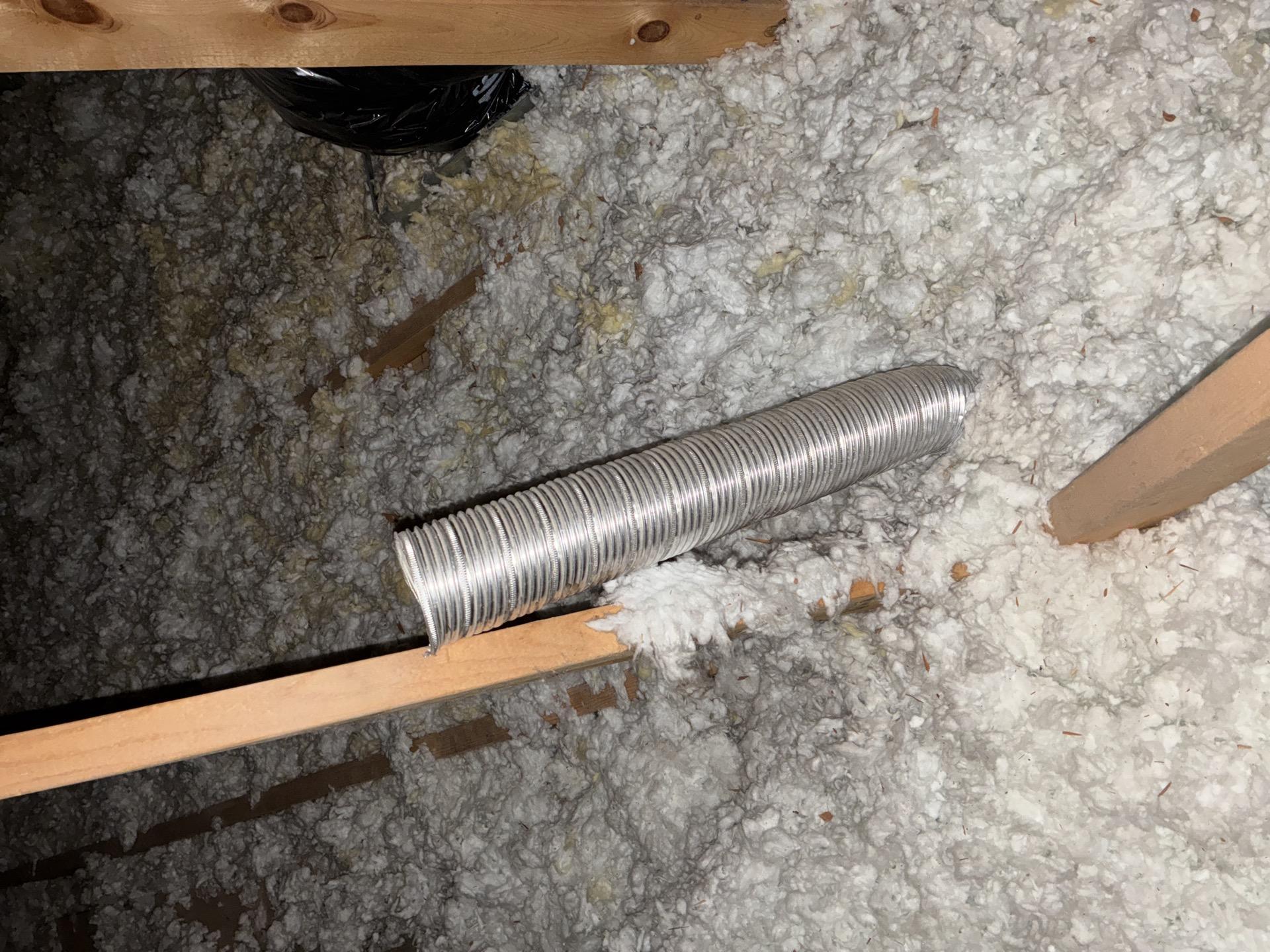
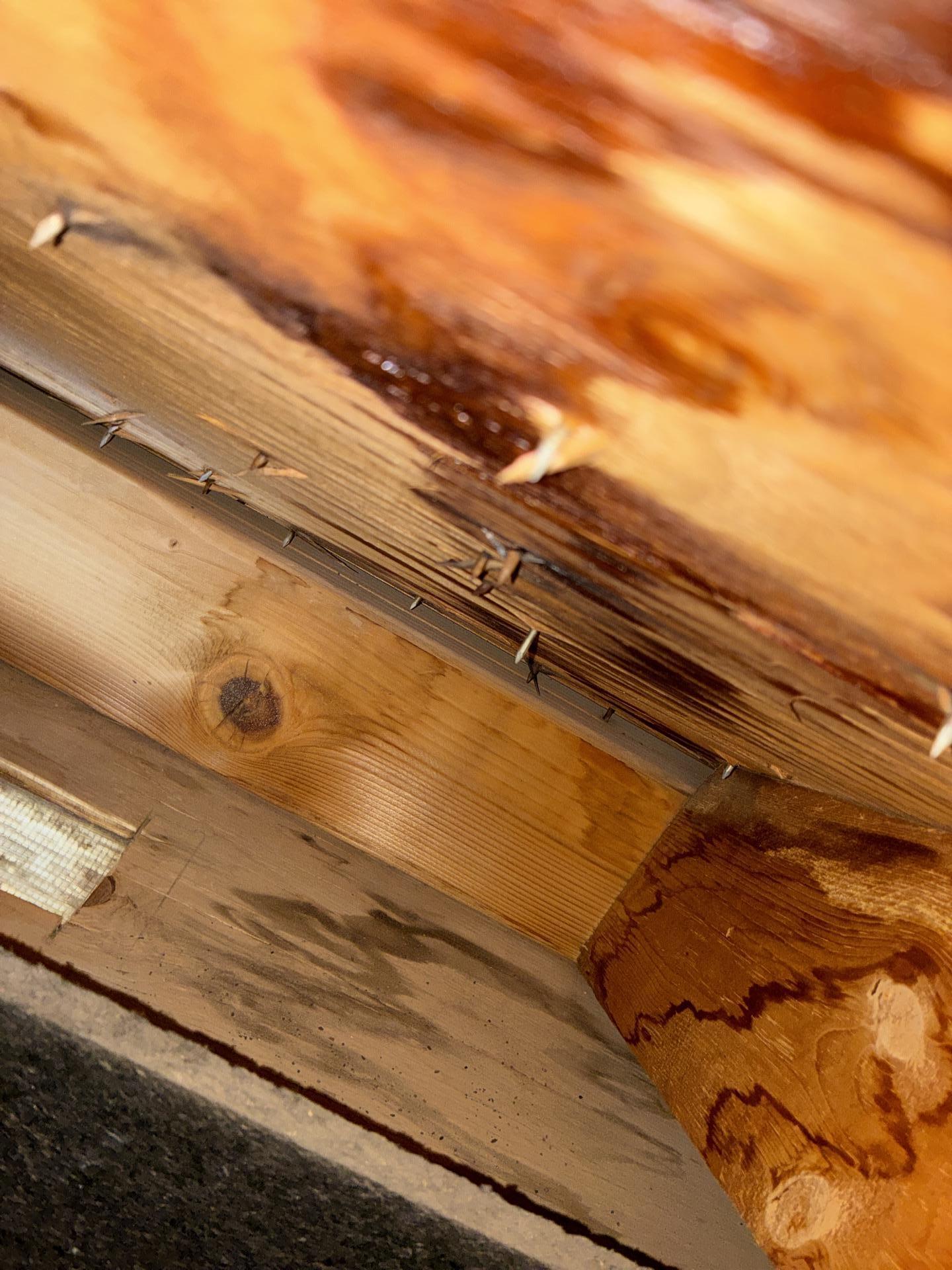
- Roof decking: staining and suspect growth around the swamp cooler line, a common spot for slow, sneaky leaks.
- A second surprise: staining below the sewer gas exhaust pipe, from another roof leak letting water in.
We also spotted bathroom exhaust fans venting into the attic instead of outside. That pumps warm, humid air into a closed space, and over time that moisture feeds the very problems we came to fix.
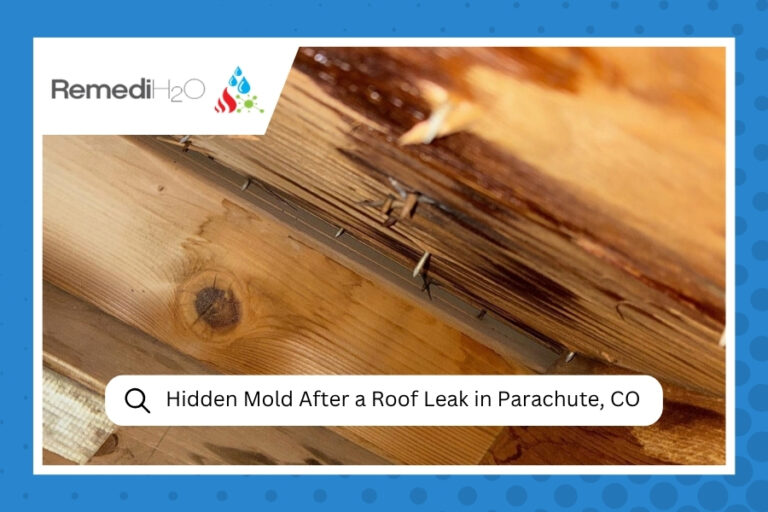
Suspect microbial growth and water staining found on the attic side of the ceiling during our Parachute inspection.
 |  |  |
 |  |  |
Why We Remove Wet Drywall Instead of Cleaning It
Drywall is porous and paper-faced, so once mold takes hold, wiping the surface rarely reaches what is inside. The EPA points out that porous materials like ceiling tiles and drywall often have to be thrown away, not scrubbed clean. Structural wood is different, and we keep it when it is sound.
That rule guides every job. We follow IICRC restoration standards: pull what cannot be saved, then clean and treat the framing that can stay. Curious how a leak becomes mold? Our guide on how black mold forms after water damage breaks it down.
How the Mold Remediation Came Together
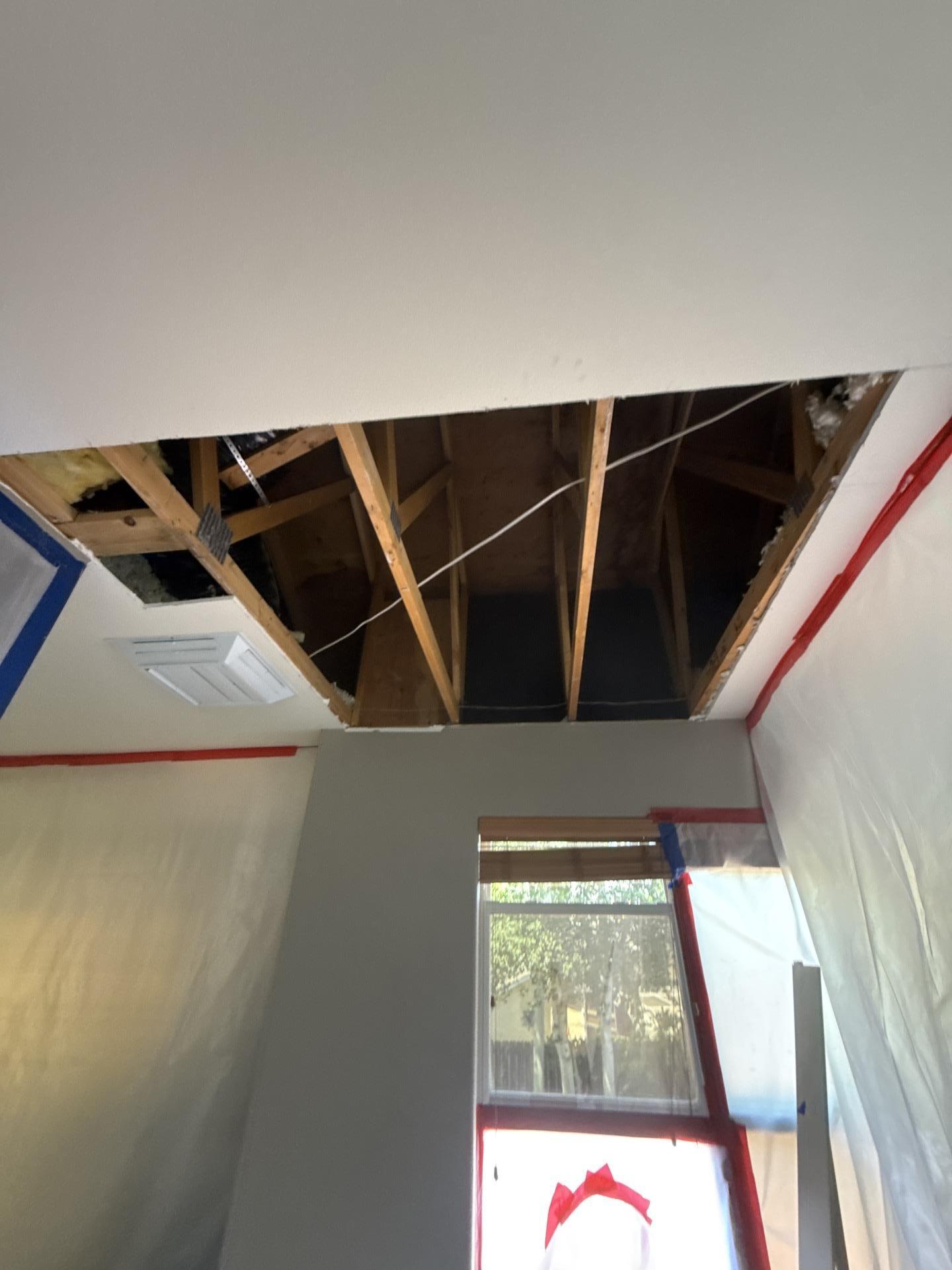
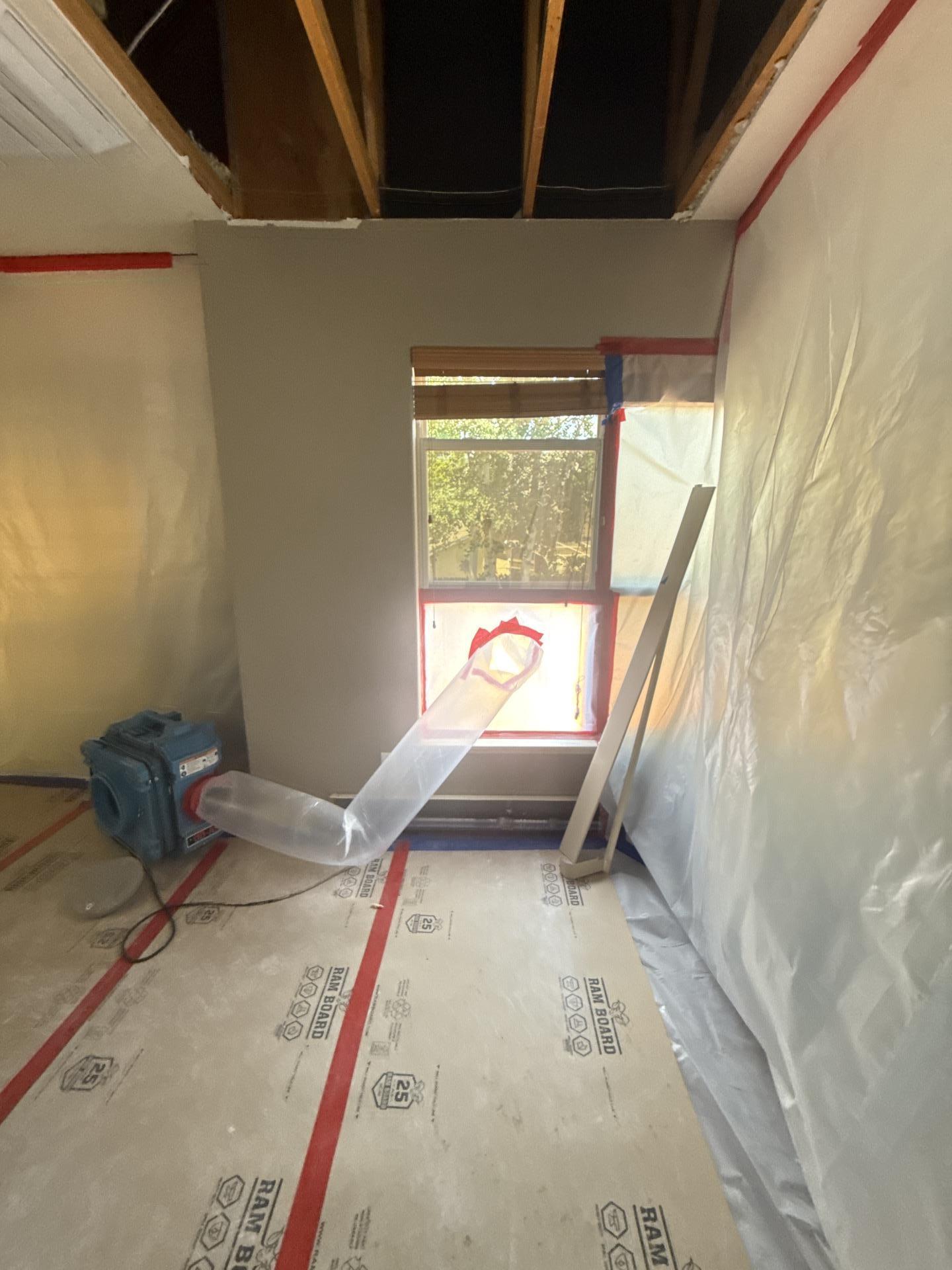
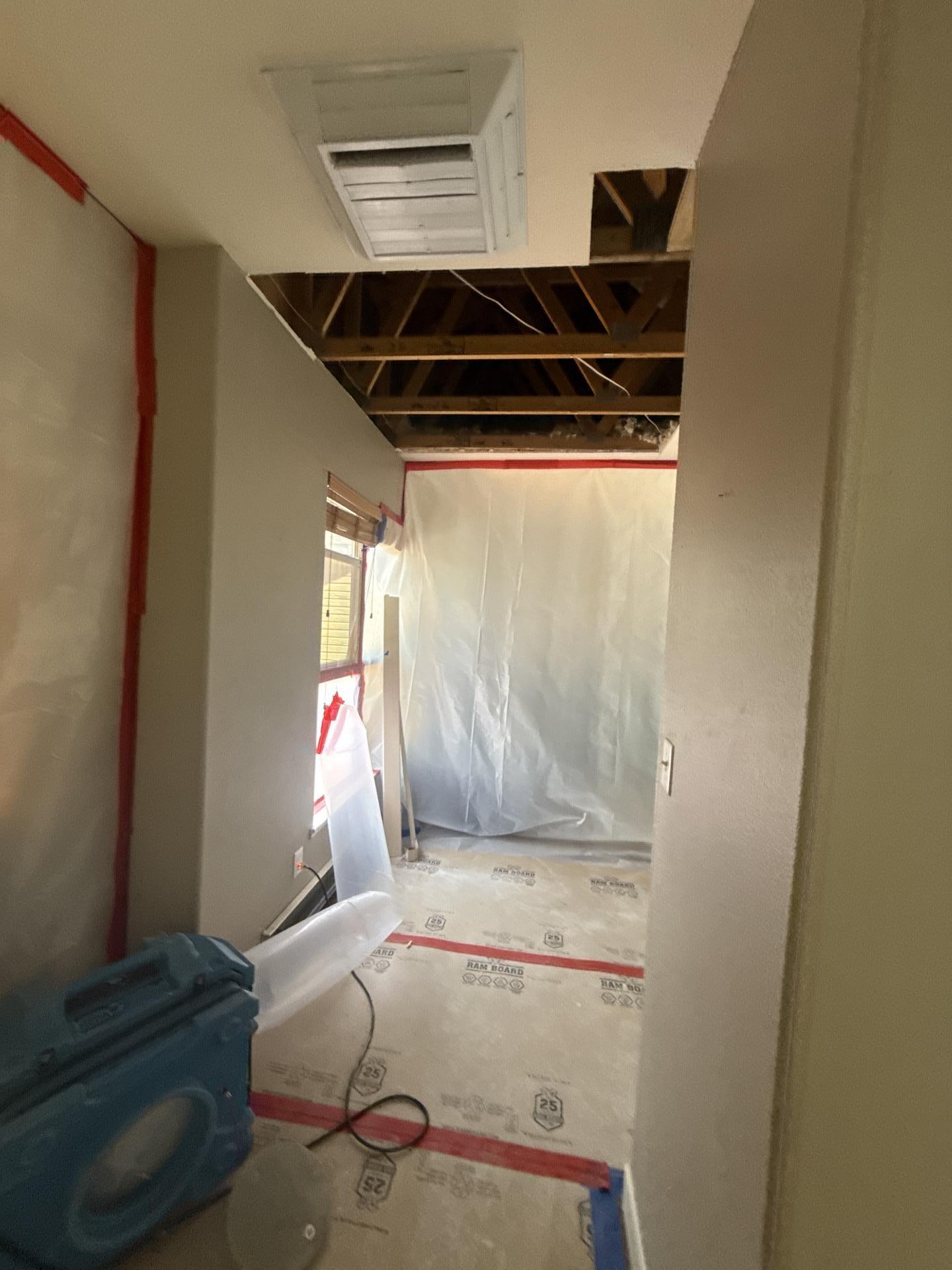
Before demolition, our technicians sealed the work areas with plastic barriers, zipper doors, and HEPA-filtered negative air machines. That containment keeps dust and spores from spreading into the home.
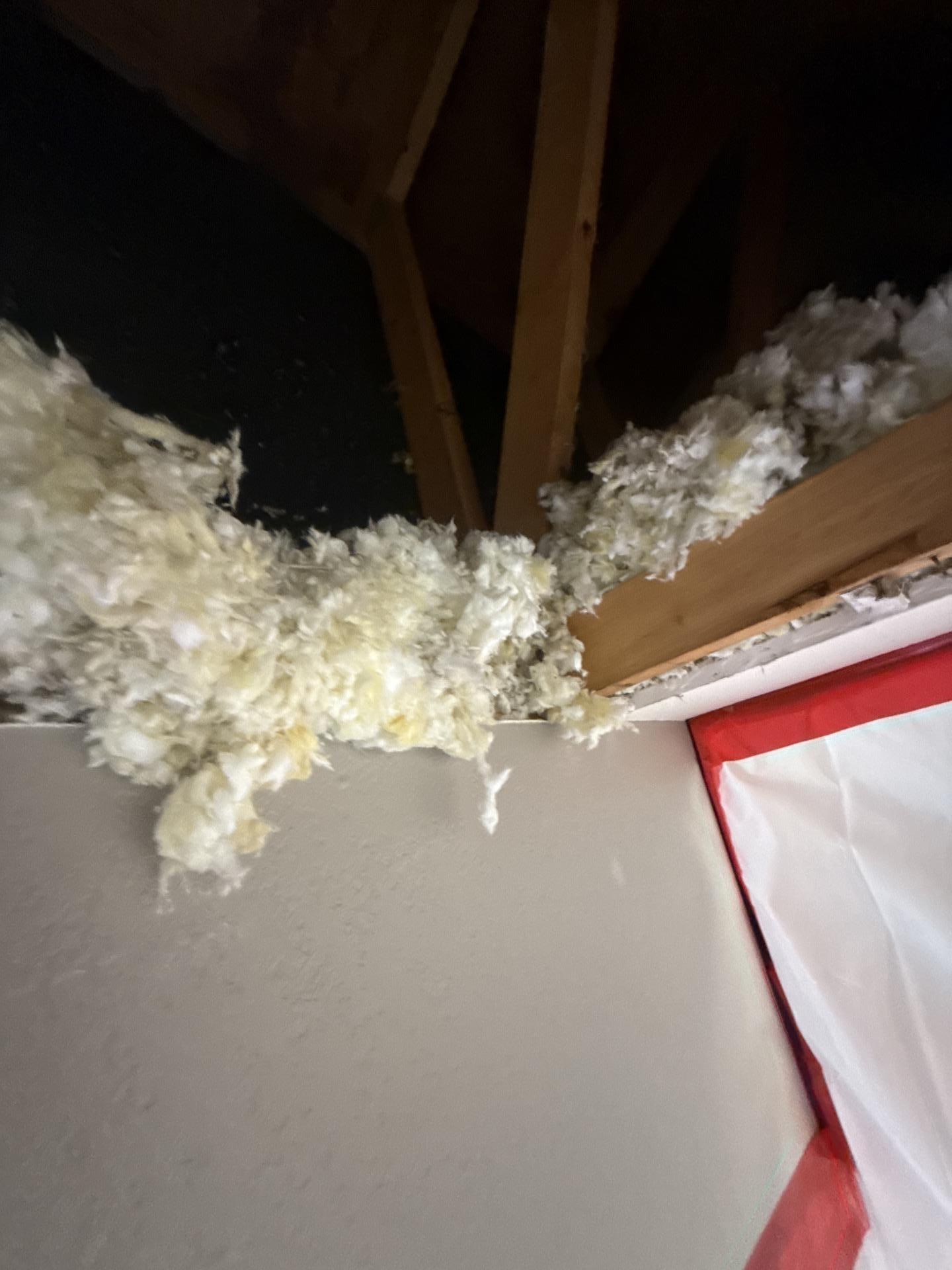
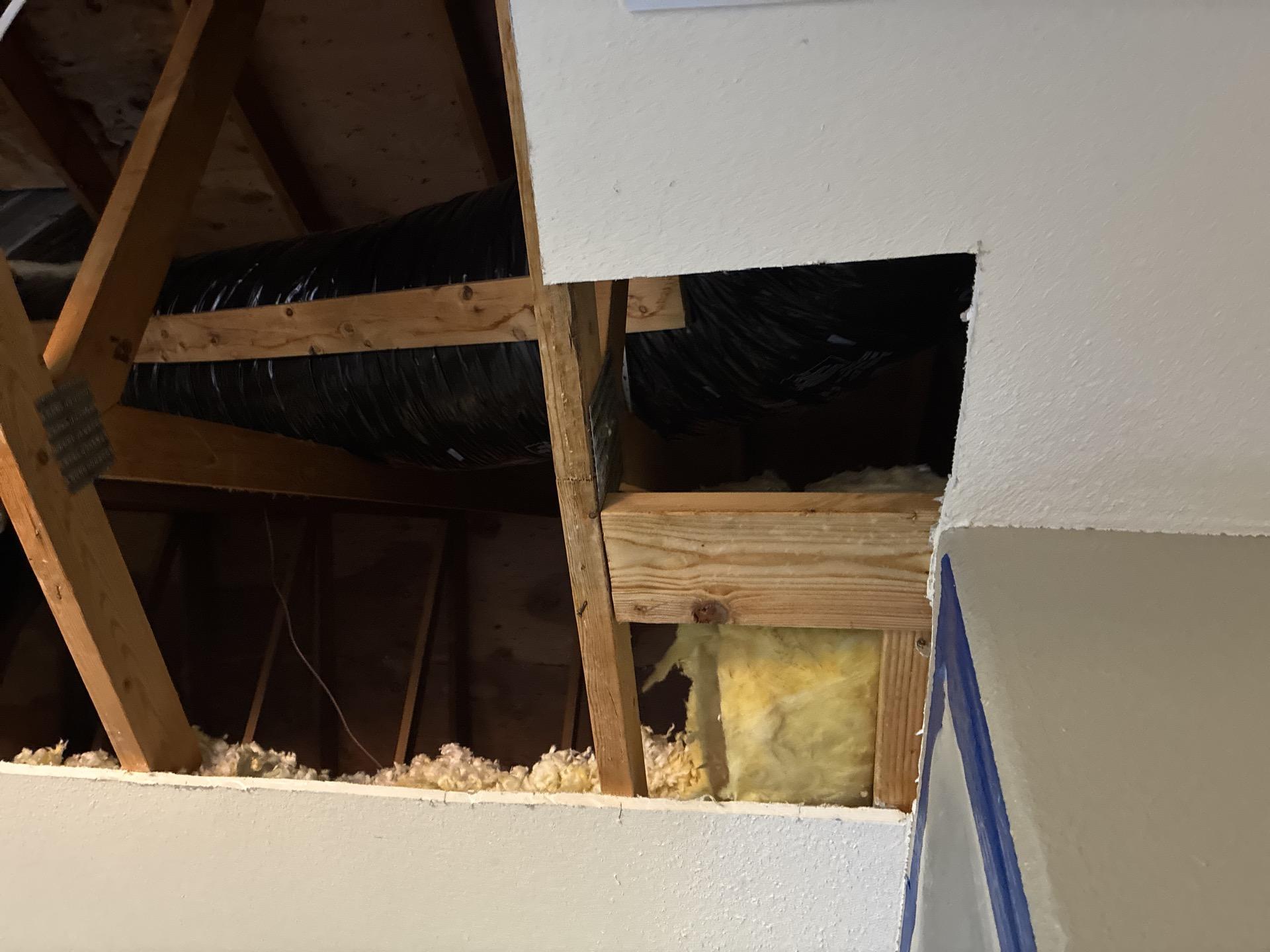
We removed the affected ceiling drywall and insulation in the living room, bathroom, and matching attic spots. The exposed framing was scrubbed clean, sanded where needed, HEPA vacuumed, and treated with a professional biological cleaning agent.
When the Damage Went Deeper Than Expected
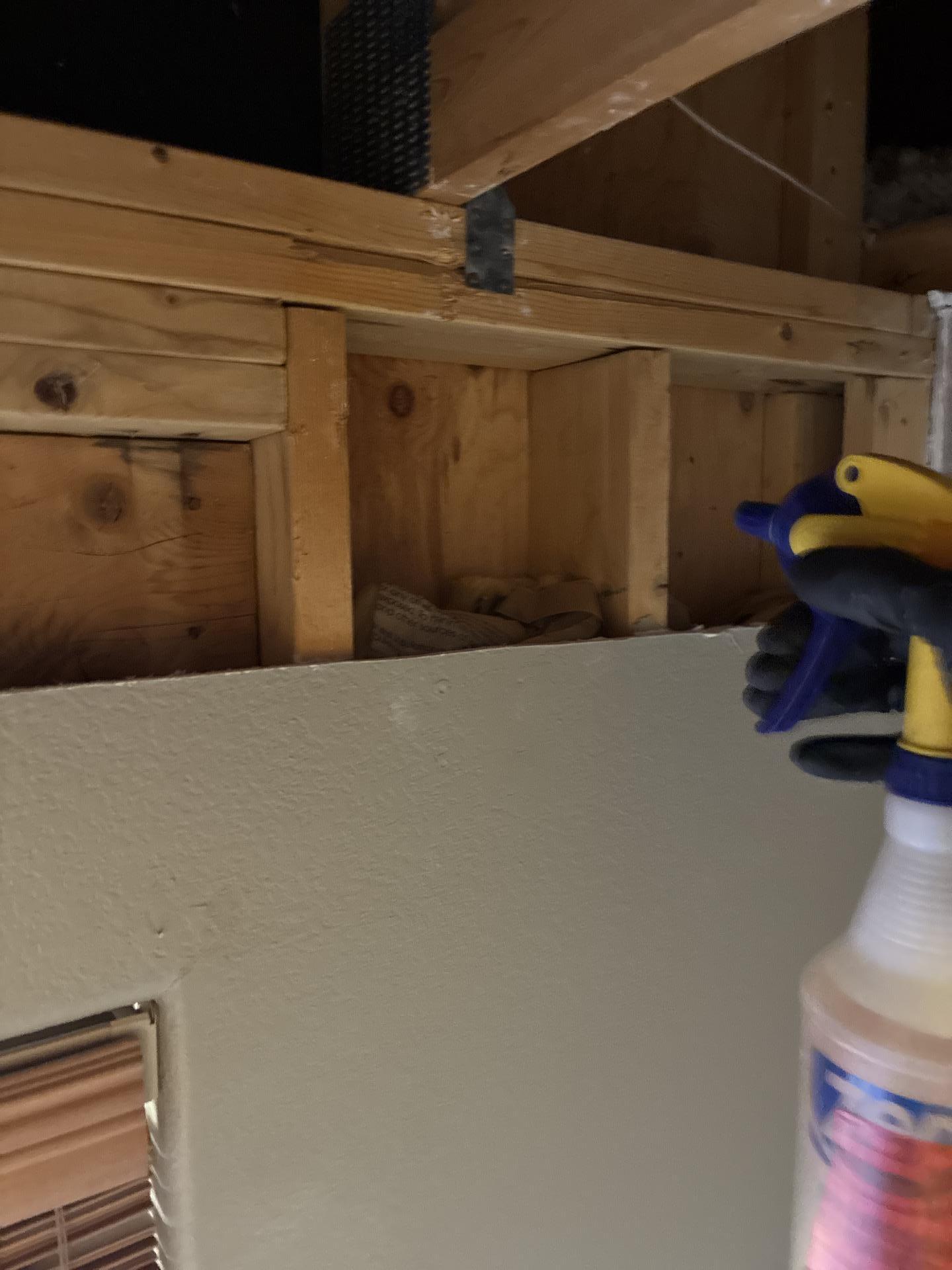
Then the job grew, as these jobs often do. During demolition we found more suspect growth spreading into nearby wall and ceiling cavities. We also spotted hidden water tracking along the sill plate behind the couch, about two feet above the windows.
The blown-in insulation there was soaked and porous, so it could not be cleaned and had to come out. Pulling it let us reach the full extent of the problem, instead of sealing trouble back inside the walls.
Controlled demolition, HEPA cleaning, and antimicrobial treatment during the Parachute mold remediation.
 |  |  |
 |  |  |
Where We Stopped, and Who Takes It From Here
Our work covered mitigation and mold remediation: containment, removal, cleaning, and treatment under IICRC S500 and S520 practices. We left the space clean, dry, and ready for the rebuild. Here is what we handed off:
- We flagged the swamp cooler and sewer pipe roof penetrations for a qualified roofer to seal.
- We recommended a contractor re-duct those bathroom fans to the outside.
- Drywall replacement, insulation, and paint went to the rebuild crew.
Not sure what to tackle first? Our post on preventing mold as temperatures rise and our Carbondale mold remediation story show how we handle these cases across the Western Slope. And if past water damage repair left you wondering about hidden mold, it is worth a look.
Worried About Hidden Mold After a Leak?
A dry ceiling can still hide mold. If you have had a roof leak, a burst pipe, or any water damage near Parachute, our IICRC-certified team will take a look and tell you straight what we find. Free inspections, 24/7 response, and direct insurance help.
Get a free inspection, day or night.
Frequently Asked Questions
If the area is dry, do I still need mold remediation?
Often, yes. Dry means the water is gone, but drywall and insulation soaked earlier can stay stained or contaminated. When you can see growth or staining, those porous materials still need removal and treatment.
Can you just clean mold off drywall?
Usually not. Drywall is porous, with a paper facing that mold can grow into, so surface cleaning rarely gets it all. We remove damaged drywall and save cleaning for sound wood framing that can stay in place.
How long does a mold remediation project like this take?
It depends on how far the growth has spread. Small, contained areas can wrap up in a day or two. Hidden damage inside walls and ceilings adds time. We give you a clear scope after inspection, and we tell you if we find more.