Talk to a Top-Rated Flood, Fire and Mold Remediation Expert 24/7

Talk to a Top-Rated Flood, Fire and Mold Remediation Expert 24/7
remedi h2o
Wall water damage repair encompasses more than replacing a section of drywall. It means identifying where water entered the walls, tracing how far it traveled, drying the structural components and insulation within the cavity, and verifying that no moisture remains before any repairs are made. Skipping the drying phase is how a wall repair turns into a mold problem. At RemediH2O, we handle every stage of the water damage restoration process for homes in Silt, Aspen, Glenwood Springs, and communities across Colorado’s Western Slope.
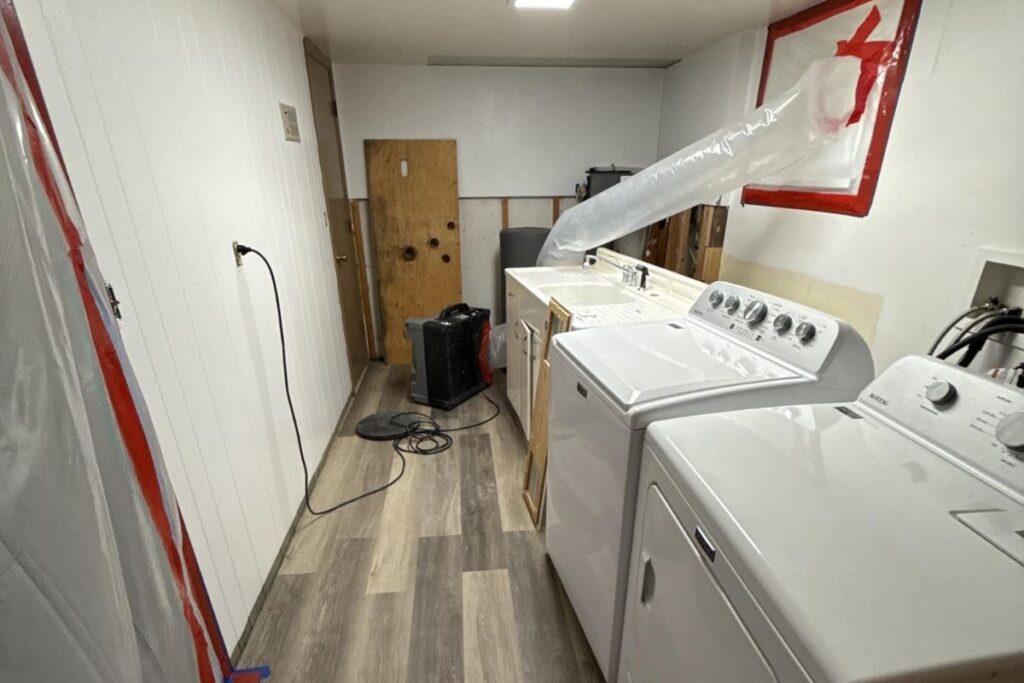
Water inside a wall cavity creates conditions that few homeowners consider: warm, dark, humid, and undisturbed. Those are precisely the conditions mold needs to establish and spread. The EPA identifies mold exposure as a trigger for respiratory symptoms, allergic reactions, and exacerbated asthma, with risks highest for children, the elderly, and immunocompromised individuals.
Wall moisture hides well. A pipe dripping slowly inside a wall may not produce visible symptoms for weeks. By the time you see bubbled paint or a wet baseboard, mold inside the wall may already be extensive. Wet insulation holds moisture against structural framing continuously, accelerating both mold growth and wood degradation.
Our IICRC-certified technicians treat wall water damage as a potential health issue, not just a structural one. We use containment and air filtration where indicated and verify complete drying before any wall assemblies are closed.
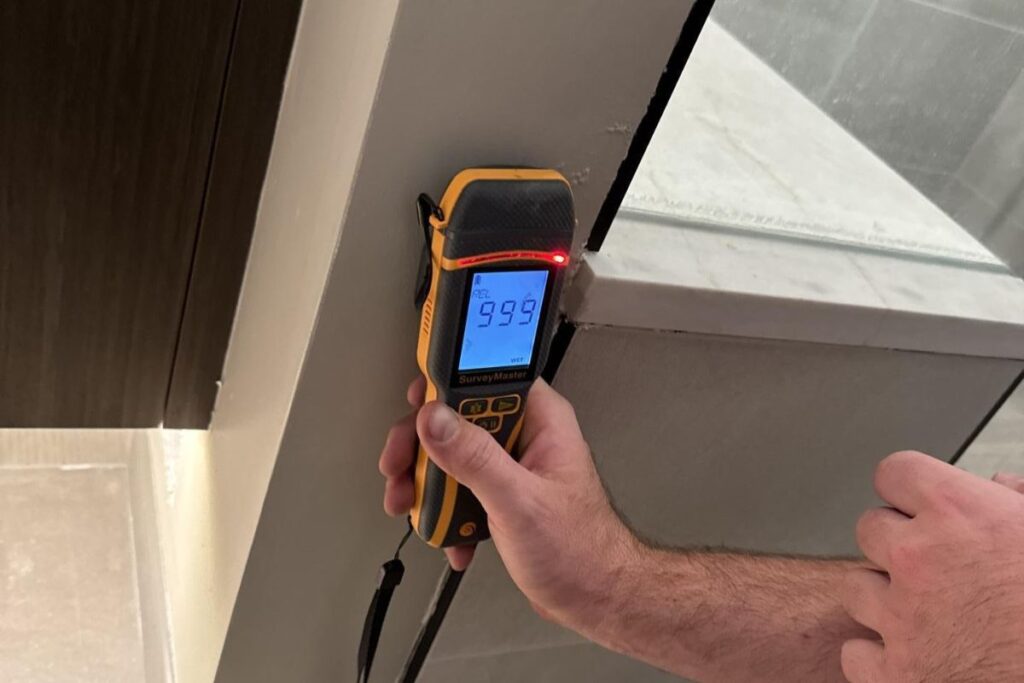
We assess the wall assembly using moisture meters and thermal imaging to establish how far moisture has traveled. This phase determines whether drying in place is feasible or whether material removal is necessary.
For jobs where mold is present or suspected inside the wall cavity, we establish containment and use HEPA air filtration to manage airborne particles during the work.
Commercial drying equipment is deployed to introduce dry air into the wall cavity. In some situations, small access holes are created to allow airflow into enclosed cavities. We monitor moisture daily.
Once drying is complete, we assess the condition of framing, insulation, and drywall. Materials that dried successfully and show no microbial growth are retained. Compromised materials are documented for removal and replacement.
We verify dryness with instruments and document the completed work with moisture readings and photographs. This documentation supports insurance claims and provides a record if questions arise later.
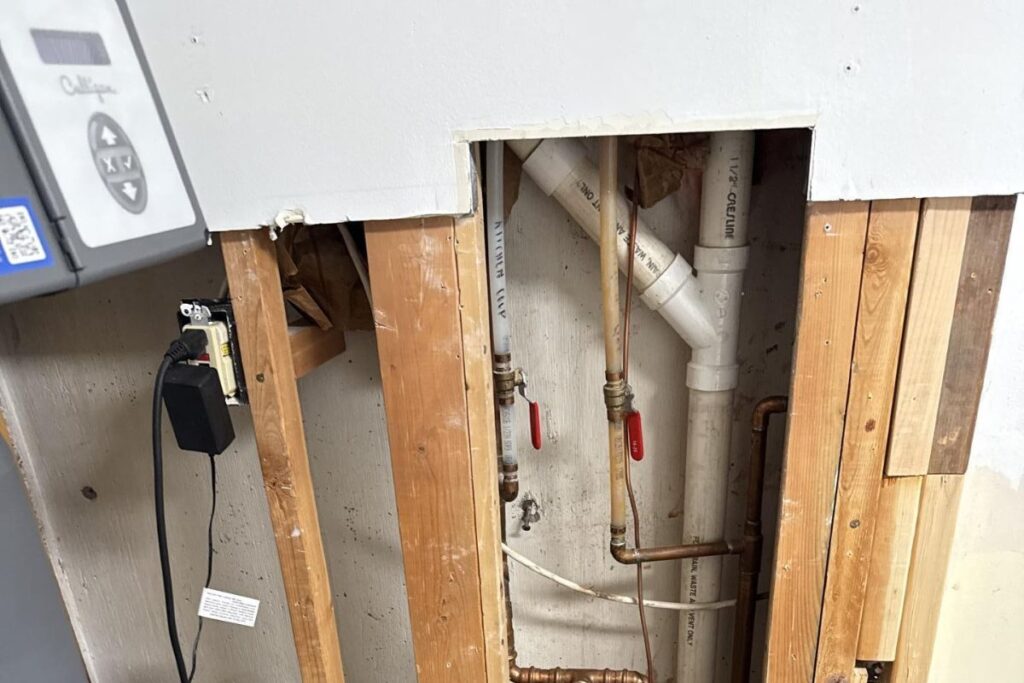
Picture your home’s walls returned to dry, stable condition, no hidden moisture, no mold risk, no guessing about what’s inside. That’s the outcome RemediH2O delivers. We don’t close walls until the instruments confirm the job is done.
Call us at (970) 715-6990 or reach our team through our contact form to schedule a wall moisture assessment.
Request Your Free Inspection



This site uses cookies and tracking technologies including Google Tag Manager, Google Maps, and YouTube. You can accept, reject non-essential tracking, or manage your preferences.