Talk to a Top-Rated Flood, Fire and Mold Remediation Expert 24/7

Talk to a Top-Rated Flood, Fire and Mold Remediation Expert 24/7
remedi h2o
The terrain along Transfer Trail sits at elevation, where snowpack is heavier and spring runoff arrives faster than in lower parts of Glenwood Springs. Properties here face drainage and moisture challenges that general restoration companies aren’t always prepared for. At RemediH2O, we specialize in water damage restoration in Glenwood Springs, including elevated and rural areas above town.
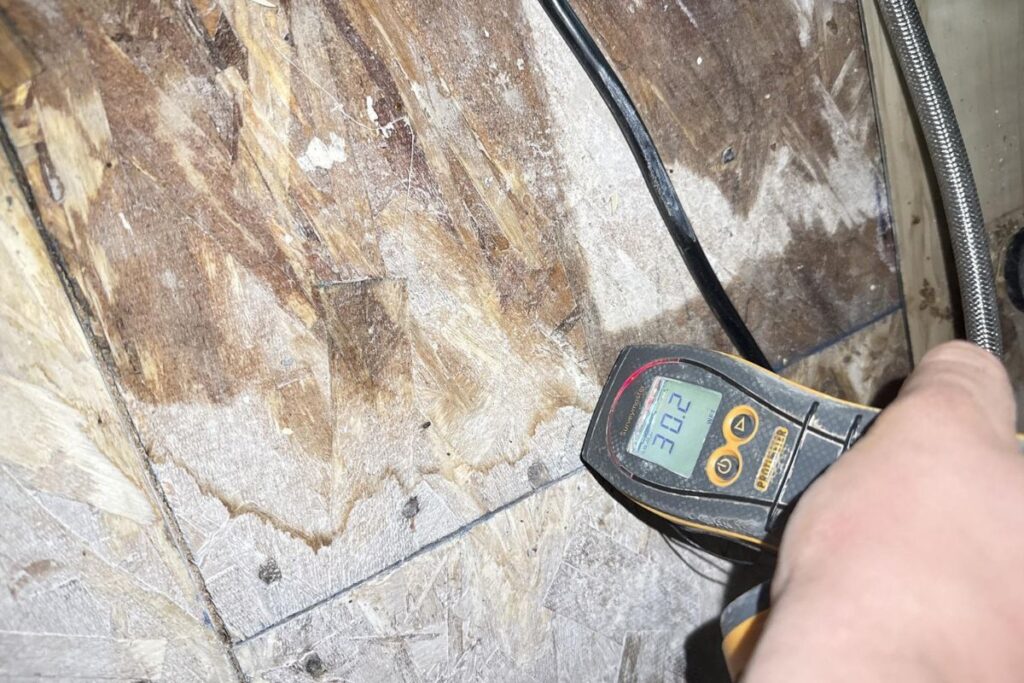
Transfer Trail climbs well above the Roaring Fork and Colorado River valleys, putting properties at higher snowpack elevations with steeper drainage grades. When snowmelt runs quickly downslope, foundation-level water intrusion is a consistent risk, especially during the March-May melt period. Summer monsoon storms add further exposure. The combination of terrain steepness, soil saturation rates, and distance from municipal drainage creates conditions that require hands-on regional experience. We serve the broader Glenwood Springs area and nearby Carbondale, New Castle, and Silt.
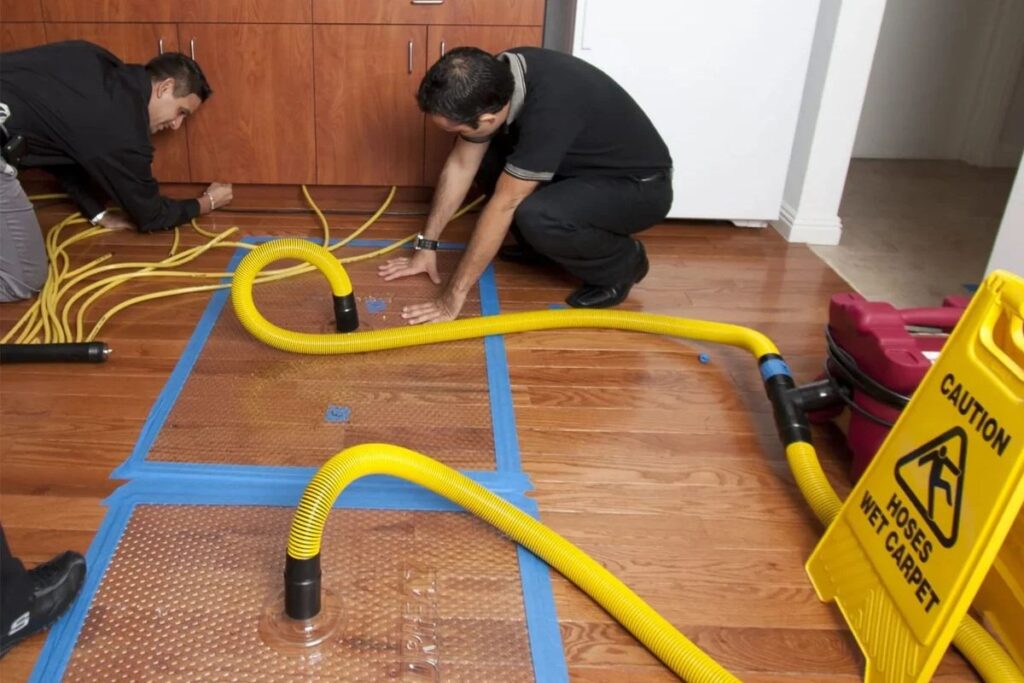
Ready to get your property back to normal? Contact RemediH2O at (970) 715-6990 to speak with our restoration team today.
Request Your Free Inspection



This site uses cookies and tracking technologies including Google Tag Manager, Google Maps, and YouTube. You can accept, reject non-essential tracking, or manage your preferences.