Talk to a Top-Rated Flood, Fire and Mold Remediation Expert 24/7

remedi h2o

Appliance Leaks? Get Professional Water Damage Cleanup Before It Gets Worse

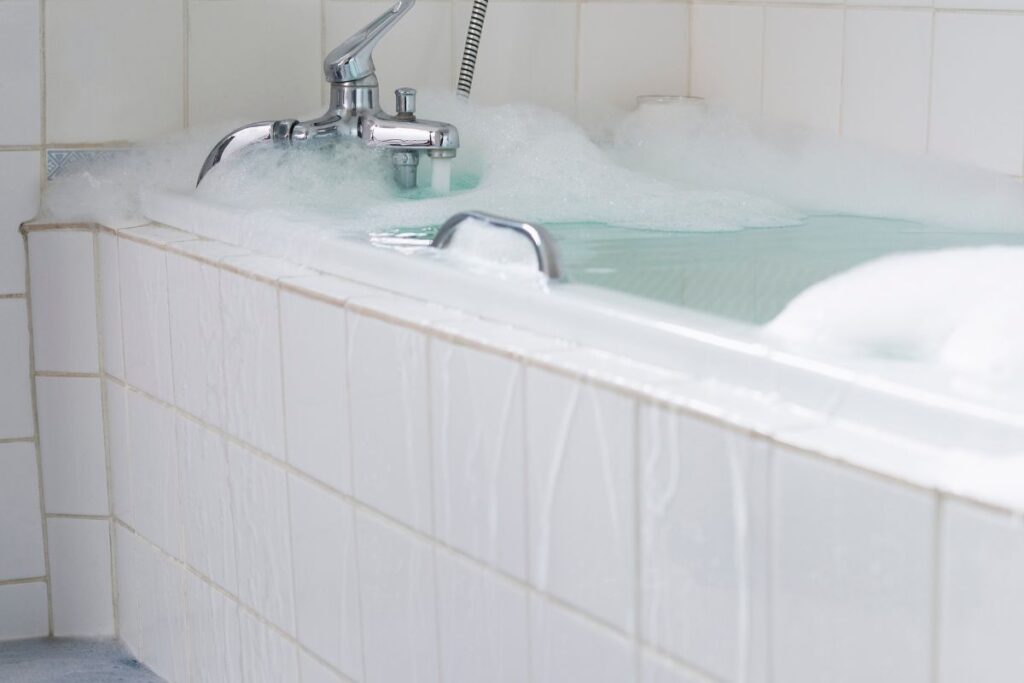
An appliance leak in your Silt or Aspen home might start as a puddle under the refrigerator. Within 24–48 hours, that moisture has worked its way into the subfloor, behind the cabinets, and potentially into the wall cavity. RemediH2O responds to water damage calls after appliance leaks before hidden saturation becomes structural damage or mold growth.
Appliance Leaks? Get Professional Water Damage Cleanup Before It Gets Worse

Types of Appliance Leaks We Handle

Household appliances are among the most common sources of water damage in Colorado homes. Our team cleans up and mitigates damage from all of them:

Washing machine leak cleanup:

Supply line failures and drain hose blowouts can dump large volumes of water quickly, often in laundry rooms adjacent to finished spaces.

Dishwasher leak water damage:

Door gasket failures and supply line leaks saturate kitchen floors and cabinetry.

Refrigerator and ice maker leak cleanup:

Slow supply line drips go undetected for weeks, saturating hardwood floors and subfloor layers.

Water heater leak and water heater burst cleanup:

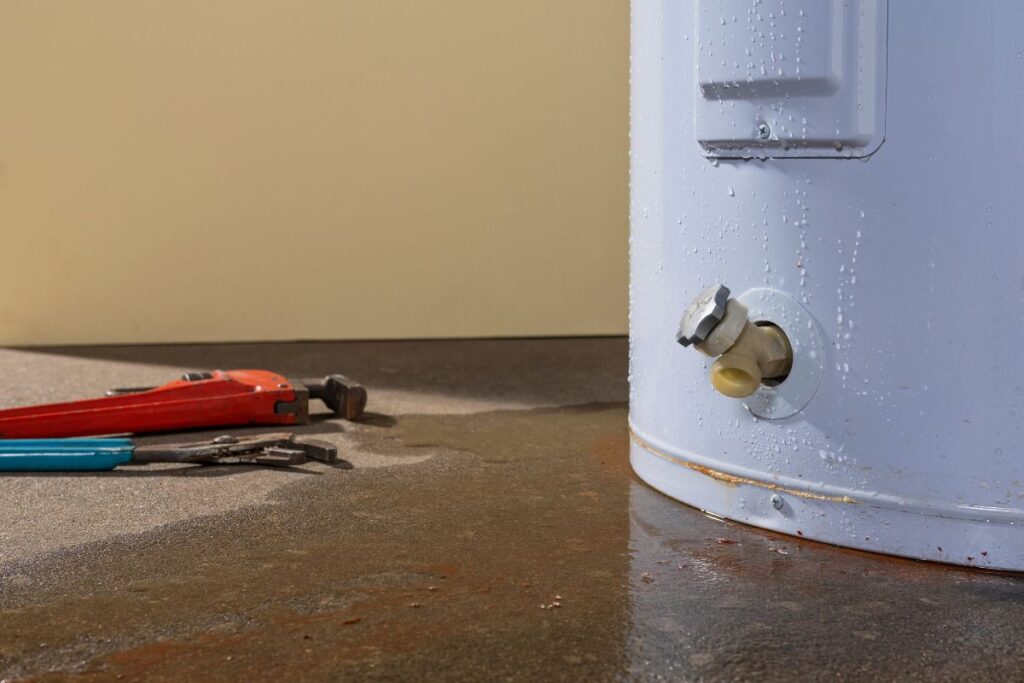
Tank failures can release 30–50 gallons rapidly. Whether you need a slow water heater leak flood cleanup or an emergency burst restoration, we respond fast.

HVAC and AC drain line leak water damage:

Clogged condensate lines back up and overflow, damaging ceilings, walls, and ductwork.

Sump pump failure cleanup:

When sump pumps fail during snowmelt or heavy rain, basements on the Western Slope can take on significant water quickly.

Garbage disposal leak water damage:

Sink base cabinet saturation and floor damage from failed seals or loose connections.
The Clock Is Running After an Appliance Leak

The Clock Is Running After an Appliance Leak

Water doesn’t stay where it lands. Within the first few hours, moisture migrates through grout lines, under flooring, and into wall cavities. By 24–48 hours, conditions are right for mold colonization to begin. At 72 hours, you’re dealing with active contamination risk in addition to water damage.

The IICRC S500 standard establishes that rapid response is the single biggest factor in limiting secondary damage. Appliance leaks are particularly deceptive because the source is often contained while the spread is extensive. That slow refrigerator line drip? It may have been saturating your hardwood floors for weeks before you noticed.

Our team arrives, extracts standing water, and deploys drying equipment to stop moisture migration before damage compounds.

Our Appliance Leak Cleanup Process

Step 1: Emergency Contact and Assessment

We arrive, identify the appliance source, confirm it's been shut off, and assess the extent of moisture spread using moisture meters and thermal imaging.

Step 2: Water Extraction

Standing water is extracted immediately. This includes water visible on floors and water that has pooled under appliances, cabinets, or in adjacent spaces.

Step 3: Structural Drying

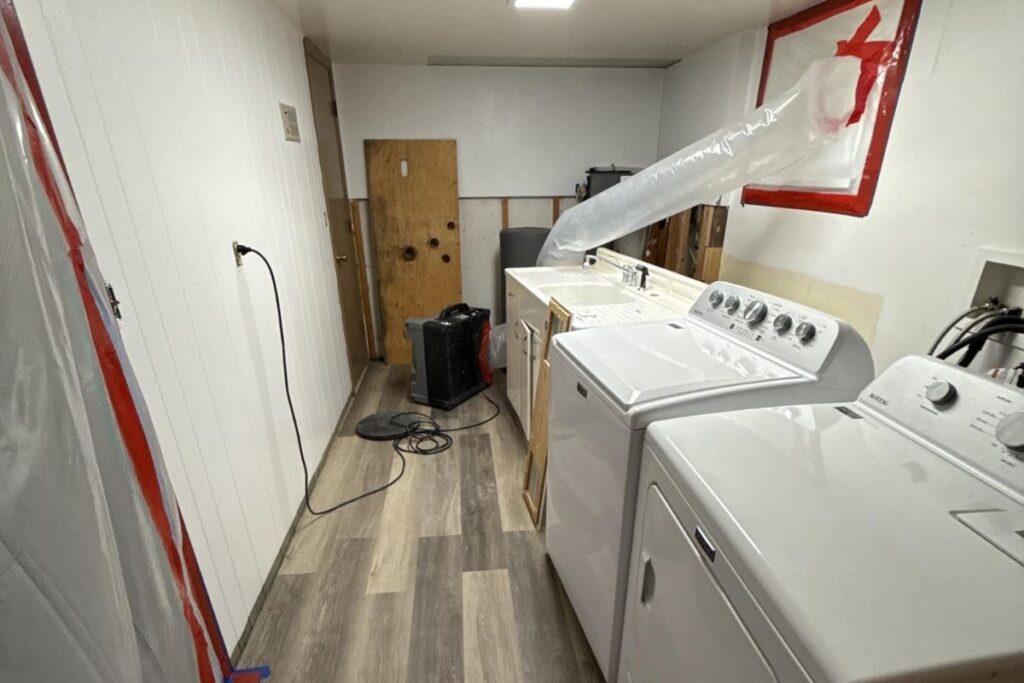
Commercial dehumidifiers and air movers are deployed in the affected area. Drying equipment may be repositioned over multiple visits to ensure complete drying behind walls, under floors, and in enclosed cabinet spaces.

Step 4: Monitoring

We return to check moisture readings and adjust equipment placement. Drying is verified with instruments, not estimated visually.

Step 5: Cleaning and Sanitizing

Once materials reach target moisture levels, affected surfaces are cleaned and treated. Any materials too saturated for drying are removed.

Step 6: Documentation and Insurance Coordination

We document the damage, work performed, and drying results. RemediH2O works directly with insurance companies to streamline your claim.
Get Ahead of Appliance Leak Water Damage Today

Get Ahead of Appliance Leak Water Damage Today

The sooner restoration begins, the more we can save. If you’ve discovered an appliance leak, call RemediH2O at (970) 715-6990 or reach us through our contact page. We’re available 24/7 for emergency response.

Frequently Asked Questions About Appliance Leak Cleanup

My appliance only leaked a small amount. Do I really need professional help?

Small visible leaks often have larger hidden footprints. Water follows the path of least resistance, and hardwood floors, subfloor OSB, and wall cavities can absorb significant moisture without appearing wet from the surface. A professional moisture assessment takes the guesswork out of it.

Will my homeowners insurance cover an appliance leak?

Many homeowners insurance policies cover sudden and accidental appliance leaks, such as a washing machine supply line burst. Slow leaks from deferred maintenance are sometimes excluded. We work with insurance companies directly and can help document the claim correctly from the start.

How long does drying take after an appliance leak?

Most appliance leak jobs reach target dryness in 3–5 days with proper equipment in place. Larger volumes of water, saturated subfloor layers, or water inside walls may extend that timeline. We monitor and report daily.

Can my floors be saved after a refrigerator leak?

Often, yes. The key variable is how long the moisture was present before discovery. Hardwood floors that have been wet for days or weeks are harder to save than those addressed within hours. We'll assess and give you an honest evaluation.

Do I need to remove my cabinets for drying?

Not always. We use equipment that can dry within cabinet bases and enclosed spaces. In cases of severe saturation or where the cabinet material itself is damaged, some removal may be necessary. We discuss all options with you before taking action.

Request Your Free Inspection