Talk to a Top-Rated Flood, Fire and Mold Remediation Expert 24/7

remedi h2o

Expert Water Damage Floor Repair for Every Flooring Type

Your floors are the first to be affected when water damage occurs, making them especially vulnerable to permanent issues. The result of expert water damage floor repair isn’t just a dry surface – it’s a floor that’s structurally sound, free of subfloor moisture, and protected against mold growth that develops when saturation isn’t fully resolved. RemediH2O brings that level of care to homes in Silt, Aspen, Glenwood Springs, and communities throughout Colorado’s Western Slope.
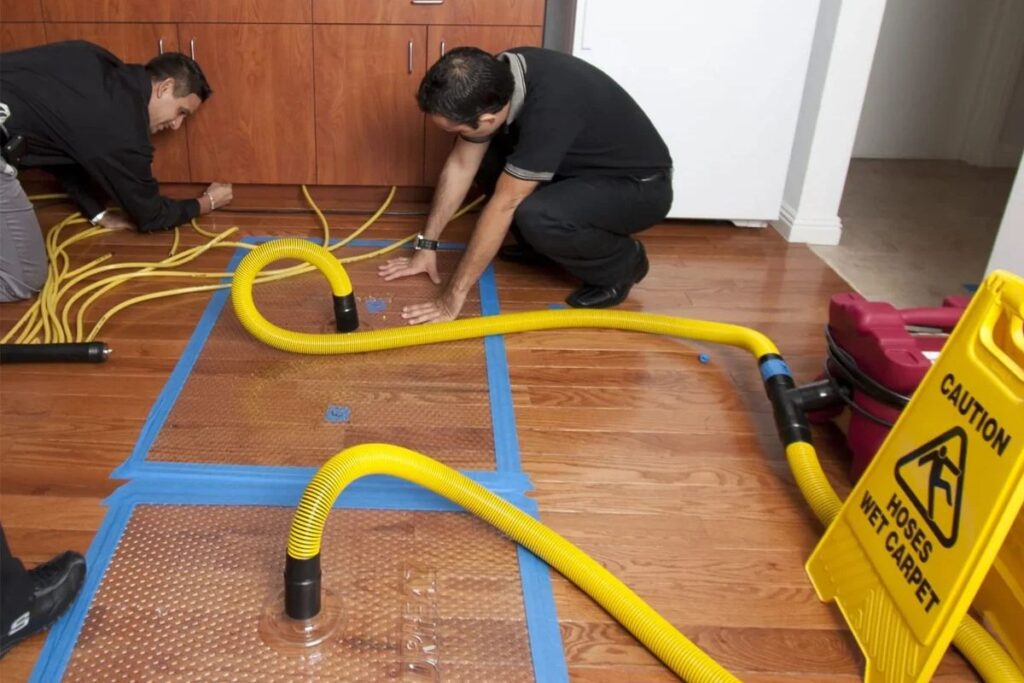
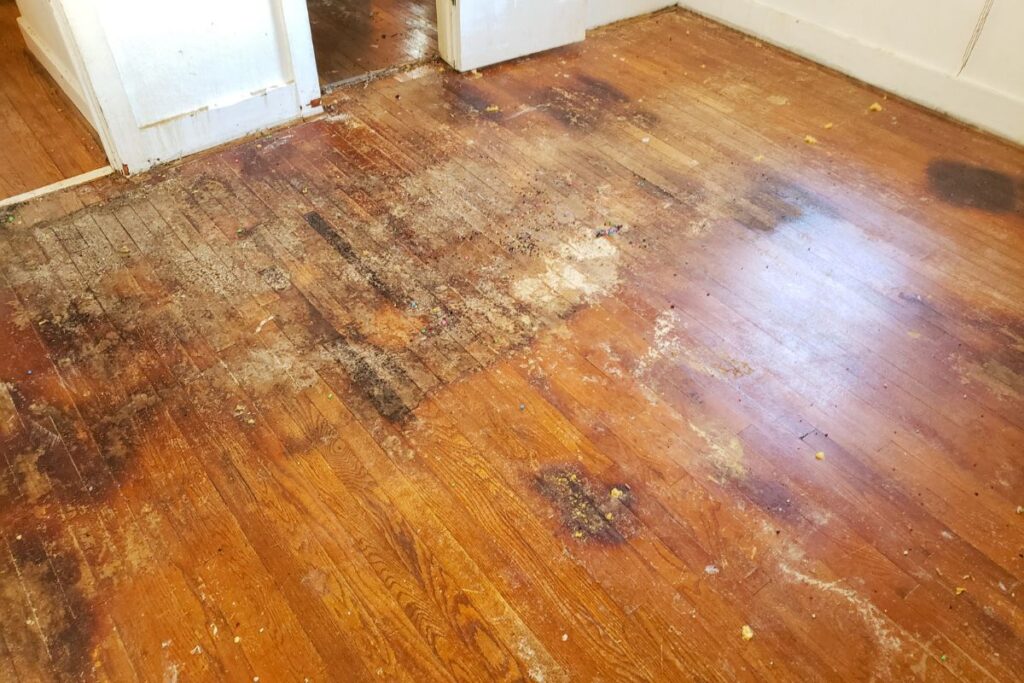
Expert Water Damage Floor Repair for Every Flooring Type

Flooring Types We Restore

Each flooring material responds differently to water, and our approach is calibrated accordingly:

Hardwood floor water damage restoration:

The primary enemy of hardwood is time. Rapid extraction and structured drying with floor mat drying systems can save hardwood floors that have been wet for shorter periods. Cupping, crowning, and buckling are signals that the process needs to start immediately.

Laminate floor water damage:

Laminate is particularly vulnerable because its core layer swells rapidly when wet and rarely returns to original dimensions. We assess whether drying is feasible or whether replacement is the better path.

Tile and grout water damage cleanup:

Tile itself is impervious, but grout is porous and subfloor layers beneath tile absorb moisture freely. We address the assembly, not just the surface.

Carpet water extraction and drying:

Water-affected carpet requires rapid extraction and drying to prevent mold growth in the padding and to preserve fiber integrity.

Subfloor drying and replacement:

The subfloor layer beneath all finished flooring is typically OSB or plywood, both highly susceptible to moisture damage. We dry subfloor assemblies in place when possible and document accurately when replacement is the correct recommendation.
Floors Are Worth Protecting

Floors Are Worth Protecting

Your floors represent one of the largest material investments in your home. A restored hardwood floor properly dried and returned to pre-loss condition is worth every effort to save. At the same time, a floor that appears dry on the surface but retains subfloor moisture is a mold problem waiting to develop. Our IICRC-certified technicians use specialized floor drying systems designed for hardwood and engineered wood, along with moisture meters calibrated for flooring assemblies. The goal is never just a dry surface. It’s confirming that every layer, from finished flooring to subfloor to vapor barrier, is at target moisture levels.

The RemediH2O Floor Drying Process

1: Initial Contact:

We discuss the flooring type and water source so we arrive prepared.

2. Arrival and Assessment:

Moisture meters and thermal imaging map moisture through the full flooring assembly, establishing which areas need attention and which are unaffected.

3. Extraction

Standing water is extracted with truck-mounted and portable equipment. Carpet jobs include weighted extraction to pull moisture from deep in the pile and padding.

4. Drying System Deployment:

Hardwood and engineered floors receive floor mat drying systems that create negative pressure to draw moisture upward. Subfloor areas are addressed with directed airflow and dehumidification.

5. Daily Monitoring:

We return daily to check moisture readings and adjust equipment. This is how we know when the job is actually done.

6. Final Verification:

All areas are verified with moisture readings before equipment is removed. Documentation is ready for insurance review.
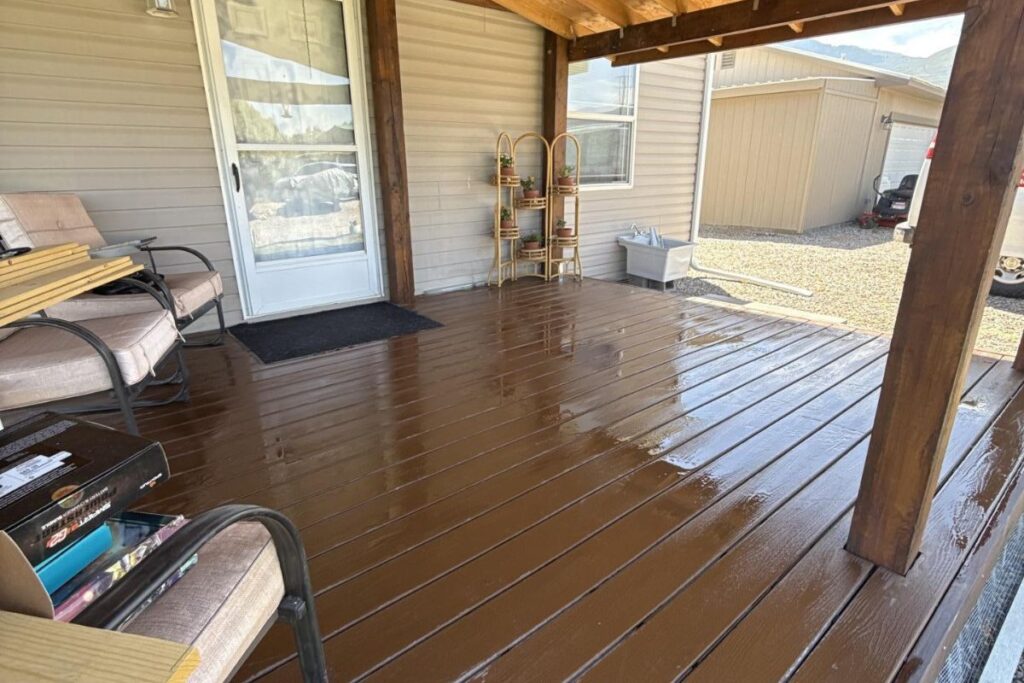
Your Western Slope Neighbors in Floor Restoration

Your Western Slope Neighbors in Floor Restoration

As a locally owned company based in Silt, CO, we take pride in knowing the homes we serve, the weather patterns that cause water intrusion, and the materials common to construction on the Western Slope and in the Roaring Fork Valley. Call us at (970) 715-6990 or contact our team online to schedule a floor damage assessment.

Frequently Asked Questions About Water Damage Floor Repair

Can hardwood floors be saved after flooding?

In many cases, yes, but timing is the critical variable. Hardwood addressed within the first 24–48 hours has the best chance of being dried in place. Floors showing significant cupping or buckling, or that have been wet for several days, may require replacement. We assess honestly based on what moisture readings show.

My laminate floor is buckling after a leak. Can it be repaired?

Laminate that's buckling has typically absorbed enough moisture that the core layer has expanded permanently. Replacement is usually the right call. We document the damage thoroughly for your insurance claim.

How do you dry a floor without removing it?

For hardwood and engineered wood, we use floor mat drying systems that create negative pressure beneath the surface, drawing moisture upward. Subfloor areas receive directed airflow and dehumidification, or access from crawl spaces below when needed.

How long does floor drying typically take?

Most flooring assemblies reach target moisture levels in 3–5 days with proper equipment. Dense subfloor areas or moisture present for extended periods may take longer. We monitor and update you daily.

What happens to my carpet padding after water damage?

Carpet padding is highly absorbent and rarely dries successfully without replacement. We extract moisture from the carpet, remove the padding, treat the subfloor, then help coordinate reinstallation.

Request Your Free Inspection