
A washing machine overflow goes from “hm, that’s weird” to “oh no” in about 90 seconds. One minute you’re starting laundry. The next, you’re standing in two inches of water. If you’re a homeowner in Silt, Glenwood Springs, Carbondale, or anywhere along Colorado’s Western Slope, you know that water in a mountain home finds every crack, seam, and sloped subfloor it can. Our team at RemediH2O handles water damage restoration calls across the Roaring Fork Valley, and washing machine overflows are more common than most people expect. Here’s what to do, and when it’s time to call for backup.
Already dealing with a laundry room flood?
Don’t wait on water damage. The longer moisture sits, the deeper it spreads. Our team is available 24/7 across Colorado’s Western Slope and Roaring Fork Valley.
Your First 15 Minutes After an Overflow
This window is where damage is either controlled or made significantly worse. Act in order.
Cut the water first. Most washing machines have a shutoff valve directly behind the unit. Turn it clockwise until it stops. If you can’t reach it, go to your main shutoff. Every homeowner should know where that is before an emergency happens. Our guide on emergency water shutoff locations walks through exactly what to look for.
Cut power next. If water is near any outlets or the washing machine itself, switch off the laundry room circuit at the breaker before touching anything wet.
Then assess before you act. Take 60 seconds to see how far the water has spread. Check adjacent rooms. Look at baseboards and walls. Knowing the full picture before cleanup starts prevents a lot of missed damage.
How Far Water Really Travels in a Mountain Home
Farther than you’d think. Most homeowners focus on the laundry room floor, and that’s where the confusion starts.
Mountain homes along the Western Slope often have wood subfloors. Water moves fast through flooring seams and wicks into the wood within minutes. From there, it can reach floor joists or the crawl space below. In homes with adjacent finished rooms, water slides under door thresholds before it even pools visibly.
Drywall absorbs water from the bottom up. Even an inch of standing water can drive moisture 6 to 12 inches up inside a wall cavity. That’s where mold tends to start. According to the EPA’s guide on mold and moisture, mold growth can begin within 24 to 48 hours under wet conditions. The visible damage is only part of the picture.

Cleanup Steps You Can Start Right Now
Once the source is shut off and the space is safe, here’s how to approach cleanup. These steps cover what you can handle on your own, or before professional help arrives.
Remove Standing Water First
A wet/dry shop vacuum is your best tool. Mops just push water around. A full overflow can put 25 to 40 gallons on your floor. Vacuum first, then mop what’s left.
Get Rugs and Wet Items Out Immediately
Laundry room rugs are essentially sponges. Pull them out and let them dry with full airflow, outdoors if weather cooperates. Any cardboard boxes or stored items sitting on the wet floor should come out too. Wet cardboard in an enclosed space is a fast track to mold growth.
Push Air Through the Room
Fans on the floor, windows open if conditions allow, dehumidifier running if you have one. The goal is lowering room humidity fast. One challenge in Aspen and Rifle area homes during fall and winter: outdoor humidity may be high or temps near freezing, so opening windows won’t help. Mechanical drying with proper equipment makes the real difference then.
| Situation | DIY OK? | Pro Needed? |
|---|---|---|
| Small spill, tile floor, caught immediately | Yes | Likely not |
| Water reached an adjacent room | Partial | Recommended |
| Wood subfloor or hardwood got wet | Surface only | Recommended |
| Water near drywall or baseboards | No | Yes |
| Sat for more than an hour before found | No | Yes |
The Mold Risk Nobody Warns You About
If the affected area isn’t dried completely within 24 to 48 hours, mold isn’t a maybe. It’s expected. In mountain homes with older construction, the risk can be higher than in newer builds.
Mold after a washing machine overflow typically starts inside walls, beneath vinyl flooring, or behind baseboards. You won’t see it for weeks. By the time you smell something musty, there’s already a colony working in a space you can’t see without pulling material apart.
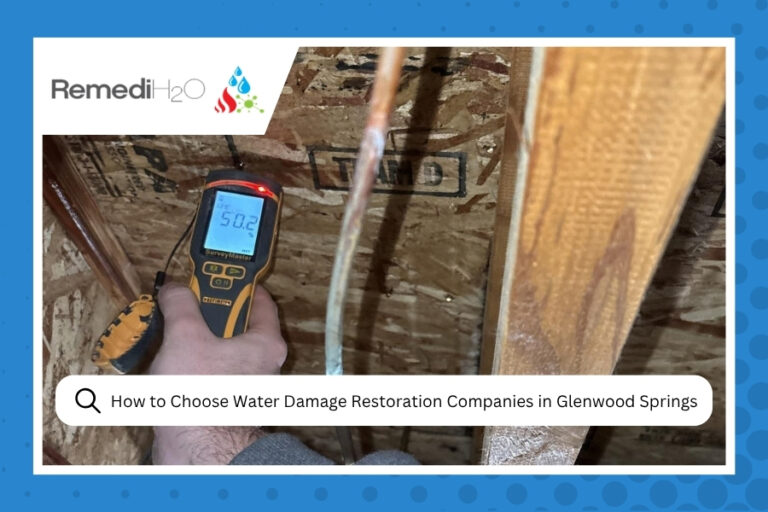
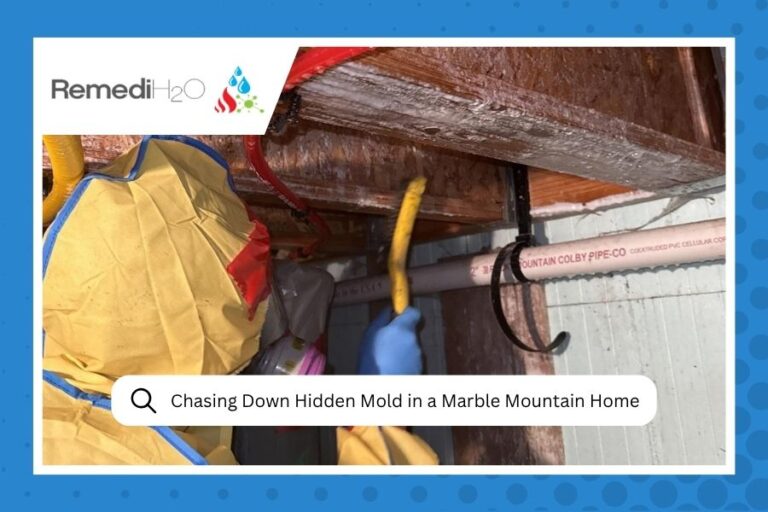
Our case study on hidden mold in a Carbondale home shows exactly how this plays out locally. Professional mold remediation involves moisture readings inside walls, not just surface checks. Our IICRC-certified techs use calibrated moisture meters to find wet material that looks dry from the outside. That’s the only reliable way to confirm dryness.
When to Call a Professional

Some washing machine overflows you can manage on your own. A small amount of clean water on a tile floor that you caught quickly? That’s workable. But these situations need professional help:
- Water spread beyond the laundry room
- Wood flooring or subfloor got wet
- Water reached drywall, baseboards, or cabinets
- There’s a crawl space or basement below the laundry area
- Water sat for more than an hour before you found it
- You notice soft spots or discoloration in walls or floor afterward
- You smell anything musty in the days following cleanup
For a clear overview of what restoration covers and what your policy might pay, our breakdown of water damage restoration and insurance in Colorado is worth reading. Coverage often depends on how quickly you responded and documented the damage.
Not sure if your situation needs professional help?
Our team serves Silt, Aspen, Glenwood Springs, Carbondale, Rifle, Basalt, and communities across the Western Slope. We’ll give you a straight answer about what your home needs, 24/7.
Frequently Asked Questions
How much water damage can a washing machine overflow actually cause?
A standard washing machine holds 15 to 30 gallons per cycle, and a full overflow releases most of that onto your floor. In homes with wood subfloors, vinyl, or adjacent finished spaces, even a moderate overflow can cause significant damage if not caught quickly.
Is washing machine overflow water clean or contaminated?
Overflow water from a washing machine is typically Category 2 (grey water) under the IICRC S500 standard, particularly when it contains detergent, lint, or has contacted floor surfaces. It’s not sewage-level contamination, but it’s not clean water either. Treat it as potentially contaminated during cleanup and disposal.
Will my homeowner’s insurance cover a washing machine overflow?
Most standard homeowner’s policies cover sudden and accidental appliance water damage. The key word is “sudden.” Gradual leaks from aging supply hoses are typically excluded. Document everything with photos immediately and report to your insurer right away.
How long does it take for mold to grow after a laundry room flood?
Mold can begin developing within 24 to 48 hours in damp areas. Inside walls, under flooring, and behind baseboards are the highest-risk zones after an overflow. Complete, verified drying within that window is the most effective prevention.