A house fire is one of the most disorienting things a homeowner can go through. Once the smoke clears and the fire department gives you the all-clear, the urge to get inside and start fixing things is completely natural. But acting before you’ve documented the damage can seriously hurt your insurance claim. If you’re dealing with fire aftermath in Silt, Aspen, Glenwood Springs, or anywhere across Colorado’s Western Slope, taking time to document properly is one of the most valuable things you can do. Our team at RemediH2O has guided many homeowners through the fire damage restoration process, and we’ll tell you straight: good documentation changes outcomes.
Dealing with Fire Damage Right Now?
Don’t wait. Our IICRC-certified team responds 24/7 and can help you through documentation, cleanup, and working with your insurance company.
Why Documentation Makes or Breaks Your Claim
Insurance adjusters need proof. Your claim is only as strong as the evidence you provide. A thorough record of what was damaged, where, and how severely is what separates a smooth payout from a drawn-out dispute.
The more detailed your record, the less room there is for disputes. Insurance companies rely on documented evidence to validate claims and calculate payouts, and gaps in that record are often exactly what adjusters use to justify a lower settlement.
You don’t need to be a professional photographer. You just need a plan and a little patience before you start cleaning up.
Step 1: Document Before Anything Is Touched
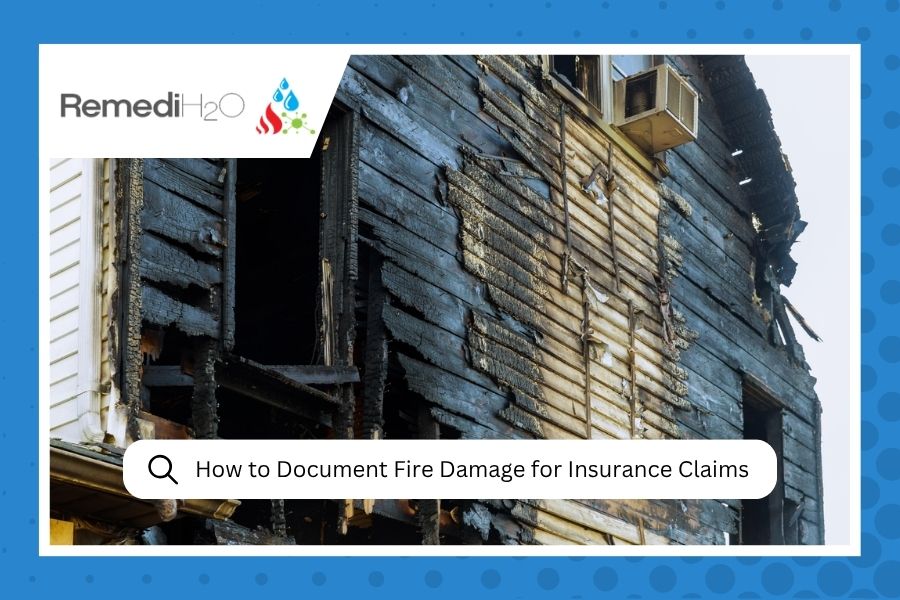
The most critical window is right after the fire is out and it’s safe to re-enter. Before you move anything, sweep up ash, or throw out damaged items, get your camera out and start recording.
- Photograph all exterior structural damage from multiple angles
- Capture every door, window, and the roofline
- Photograph the areas where the fire burned most intensely
- Record video walkthroughs in addition to still photos
- Make sure your device date and time are correct so photos are automatically time-stamped

Thorough documentation, photos, written logs, and receipts, is what gives your insurance claim the best possible foundation.
Don’t skip rooms that look “fine.” Smoke and soot travel further than most people expect, and those rooms can still be part of your claim.
Quick Reminder: Don’t Touch Anything Yet
Cleaning up before documentation can void portions of your claim. Even removing a pile of debris or tossing a damaged appliance before it’s been photographed and logged could be used as grounds to reduce your payout. Document first. Clean up after.
Step 2: Go Room by Room with Your Camera
Once you have a general overview, get systematic. Work through every room one at a time. Fire damage shows up in many forms. Burn marks are obvious, but smoke staining, soot deposits, melted materials, warped flooring, and firefighting water damage all count too. In each space, photograph:
- Ceilings, walls, and floors in every room, including closets
- Electrical panels, outlets, and wiring if visibly damaged
- HVAC systems, ductwork, and vents (smoke infiltrates these heavily)
- Windows, window frames, and any cracked or shattered glass
- Structural elements like beams, subflooring, and framing if exposed
- Standing water or moisture from firefighting efforts
If you have an attic or crawl space, include those in your walkthrough. Heat and smoke travel upward and through ventilation systems, so upper spaces and structural cavities deserve a close look even if they seem untouched.
Types of Fire Damage to Document
| Damage Type | What to Look For | Where It Shows Up |
|---|---|---|
| Burn & Char Damage | Blackened surfaces, structural char, melted materials | Room of origin, adjacent rooms |
| Smoke & Soot | Dark staining, greasy residue, discoloration on walls | Throughout home, especially ceilings |
| Water Damage | Saturation, warped materials, pooling water | Areas where firefighting water was applied |
| Heat Damage | Warped frames, bubbled paint, cracked glass | Near heat source, windows, doors |
| Odor Penetration | Not visible, but note in written records | HVAC ducts, soft furnishings, insulation |
Step 3: Catalog Your Personal Property
Structural damage is one piece of the puzzle. Personal property, from furniture and electronics to clothing and kitchen appliances, is another. Most people don’t have a pre-existing home inventory, and that’s okay. You can reconstruct a solid list by working through your home systematically:
- Photograph every damaged item before anything is removed or disposed of
- Write down the item name, approximate age, and estimated original value
- Search email inboxes, Amazon order history, or bank statements for purchase records
- Note serial numbers on electronics and appliances if they’re still readable
- Photograph clothing, bedding, and other soft goods that show damage
Your insurer will typically calculate depreciated value unless you have a replacement cost policy. A detailed list gives you a much stronger foundation for that conversation with the adjuster.
Step 4: Build Your Paper Trail
Photos and videos are essential, but written records tie everything together. Your paper trail gives the insurance company a clear, chronological picture of what happened and what it will cost to fix.
Documents to Gather and Create
- Fire department report: Request a copy as soon as it’s available. This officially documents the fire’s origin, timeline, and response.
- Insurance policy declarations page: Know your coverage limits, deductibles, and any exclusions before the adjuster visits.
- Claim log: Record every conversation with your insurer, including date, time, and what was discussed.
- Contractor and restoration estimates: These become part of the official claim record.
- Temporary living receipts: Hotel stays and essential replacement purchases may be covered under additional living expense provisions.
For more guidance on navigating insurance recovery after a fire, the American Red Cross’s home fire recovery guide is a reliable place to start.
Not Sure What Was Covered by Your Policy?
Our team works directly with insurance companies and can help you understand what to expect from the restoration process.
Step 5: Bring in a Professional Restoration Team
Once your documentation is done, get a certified restoration team on-site. A professional assessment isn’t just about cleanup. It adds another layer of documented evidence to support your claim.
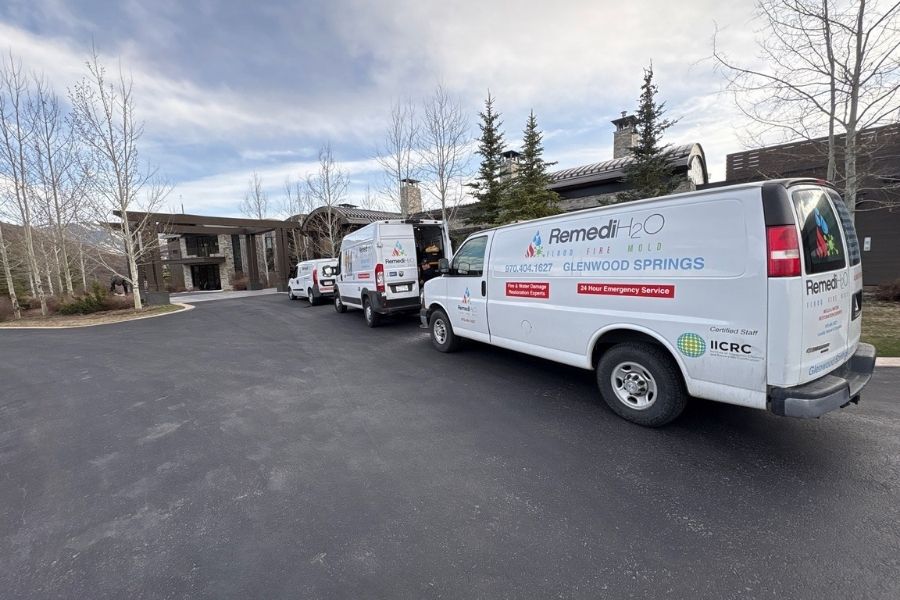
The RemediH2O team arrives equipped and ready. Getting certified technicians on-site quickly helps limit secondary damage and strengthens your claim record.
At RemediH2O, our IICRC-certified technicians provide detailed inspection reports covering structural damage, contents, smoke infiltration, and moisture from firefighting water. That report often becomes a key reference for insurance adjusters. Fire damage rarely travels alone, and the water used to put out a fire soaks into walls and subfloors, creating secondary problems days later if not properly addressed. Professional water damage restoration is part of the overall recovery and should be included in your claim documentation.
Our fire restoration case study from Rifle, Colorado walks through a real recovery from start to finish. And our post on how to secure your home after fire damage covers the immediate protective steps to take before restoration begins. You can also learn more about what fire damage restoration includes so you know what to expect next.
Frequently Asked Questions
How soon after a fire should I start documenting the damage?
Start as soon as the fire department clears you to re-enter. Don’t wait for the adjuster. Time-stamped photos and videos taken within hours carry more weight than documentation collected days later, and early documentation ensures nothing is disturbed before the record is complete.
Can I throw away damaged items before the adjuster visits?
Generally, no. Photograph and log everything first. If something is a safety hazard and must be moved, document it thoroughly and notify your insurer before doing so. Removing items before the adjuster has assessed them can give the insurance company grounds to reduce your payout.
Does my insurance cover smoke damage as well as structural fire damage?
Most standard homeowner’s policies cover smoke and soot damage along with direct fire damage. This includes rooms that weren’t touched by flames and HVAC systems that circulated smoke throughout the home. Document it all, not just the areas that burned.
Is the water damage from firefighting efforts covered by my homeowner’s insurance?
Yes, in most cases. Water from firefighting efforts is typically treated as part of the fire damage event and covered under your standard homeowner’s policy. Document all signs of water intrusion and have a restoration professional assess for hidden moisture, which often doesn’t appear until days later.