A toilet overflow goes from annoying to expensive in minutes. The water spreads under your flooring, soaks into baseboards, and seeps into the subfloor before you’ve finished grabbing towels. Acting fast is the whole game here, and fast water damage restoration is what keeps a small bathroom mishap from turning into a five figure repair. At RemediH2O, our IICRC certified team responds to overflow calls across Silt, Aspen, and the rest of Colorado’s Western Slope, so we’ve seen what works and what makes things worse.
Here’s the short version: shut off the water, protect yourself, get the moisture out, and call for help if it’s more than a quick clean.
Why a Toilet Overflow Is More Than a Mess
A toilet overflow can soak materials within seconds and breed mold within days. That’s the part most homeowners miss. The puddle looks manageable, but water travels sideways and down, hiding where you can’t see.
Mold can start growing in as little as 24 to 48 hours after water exposure, according to the EPA’s guide on mold and moisture. Drywall, baseboards, and subflooring act like sponges. Once they soak it up, drying the surface alone won’t fix the moisture trapped underneath.
There’s also what’s in the water. A clean overflow from the tank is one thing. An overflow from a sewage backup is a different beast, carrying bacteria you don’t want near your family. If that’s the case, our mold removal and remediation crews handle the cleanup and the moisture that follows.
The 4 Quick Steps to Take Right Now
Respond to a toilet overflow in four steps: stop the water, protect yourself, remove the moisture, and document and call for help. Move through them in order. The first two minutes matter more than the next two hours.
Step 1: Stop the Water
Reach behind the toilet and turn the shutoff valve clockwise until it stops. That valve sits low on the wall where the supply line meets the toilet. No valve, or it won’t budge? Lift the tank lid and push the rubber flapper down over the hole to cut the flow.
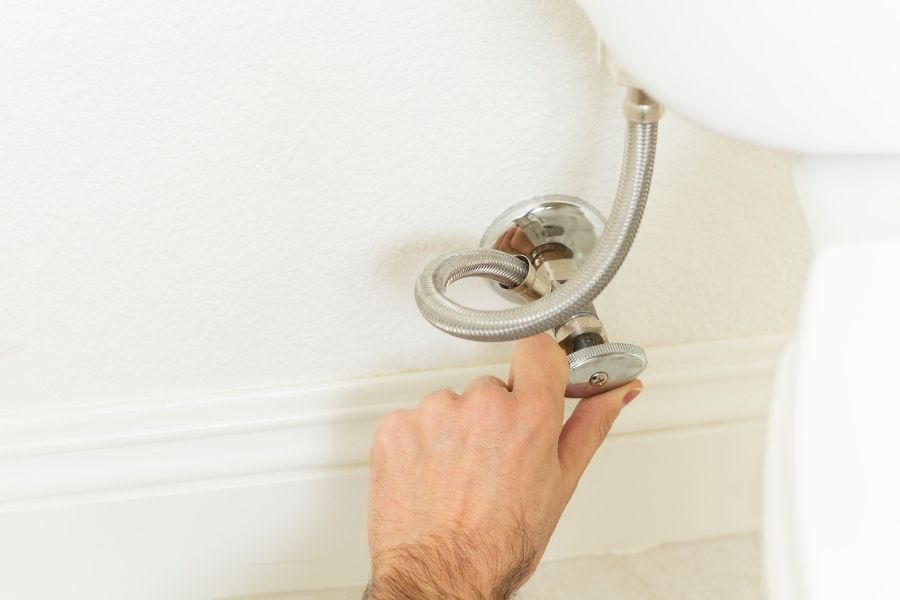
Turning the shutoff valve behind the toilet is the fastest way to stop an overflow at the source.
If the water keeps rising, head for your home’s main shutoff. Knowing where it is before an emergency saves time, so read our guide on emergency water shutoff locations on a calm afternoon.
Water Spreading Faster Than You Can Mop?
Our crews answer the phone 24/7 and respond fast across the Western Slope and Roaring Fork Valley.
Step 2: Protect Yourself and Contain the Area
Put on rubber gloves before you touch anything, and keep kids and pets out of the room. If the overflow is anything other than clean tank water, treat it as contaminated and skip the bare hands.
Lay old towels at the doorway to stop water from creeping into the hallway carpet. Move bath mats and trash cans off the floor. Containing the spill early keeps the damage in one room instead of three.
Step 3: Remove the Standing Water and Start Drying
Get the water up quickly. Use towels, a mop, or a wet/dry shop vacuum for larger amounts. The faster the floor is dry, the less chance moisture has to sink into the subfloor below.
Once the standing water is gone, open the windows and run fans pointed at the wet spots. A dehumidifier helps too. Remember that a dry surface can hide a wet subfloor, the trapped moisture our team checks for with meters and thermal imaging.
Step 4: Document Everything and Call for Help
Snap photos and short videos before you clean too much. Your insurance company will want to see the damage, and clear pictures make the claim smoother. We work directly with insurers, which takes the paperwork stress off your plate.
A small clean overflow you caught fast may need nothing more than towels and fans. Anything bigger, anything involving sewage, or any sign that water reached the walls deserves a professional look. Our water damage emergency steps guide covers the playbook for serious leaks.
Clean Water vs. Black Water: Know the Difference
Not all overflow water is equal. The restoration industry sorts water into three categories under the IICRC S500 standard, and the category decides how risky the cleanup is. Here’s the quick breakdown.
| Category | What It Is | Can You DIY? |
|---|---|---|
| Clean Water | Fresh water from the tank or supply line | Often yes, if caught fast |
| Grey Water | Slightly contaminated, some bacteria | Use caution, gloves required |
| Black Water | Sewage backup, heavy contamination | No, call a pro |
Black water is the one to respect. If your overflow came back up from the sewer line, it can carry bacteria and viruses, so protective gear and disinfection are a must. It can also feed mold growth, which you can read more about in our piece on how black mold forms after water damage.
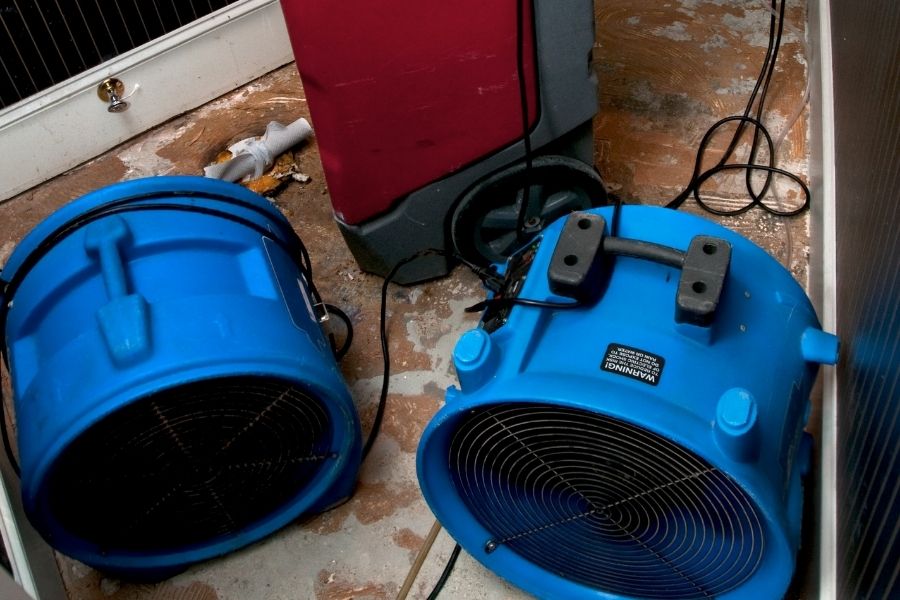
Professional drying equipment set up on a bathroom floor after a sewage backup cleanup.
Quick reminder: If sewage is involved or water reached the walls, stop cleaning and call a professional. The savings from a fast DIY job aren’t worth a hidden mold problem later.
When Should You Call a Professional?
Call a professional when the water is contaminated, when it has been sitting for hours, or when it spread beyond the bathroom floor. Those are the times do it yourself drying falls short and hidden moisture causes trouble later.
Homeowners across Silt, Glenwood Springs, and the Roaring Fork Valley trust our team because we do more than mop up. We find the moisture you can’t see, dry the structure properly, and document everything for your claim. Learn more on our Silt service area page.
The honest truth is that some overflows really are a towel and fan job, and we’ll tell you if that’s the case. But when the damage runs deeper, an IICRC certified crew saves you money and headaches.
Dealing With a Toilet Overflow Right Now?
At RemediH2O, we respond around the clock with the gear and training to get your home dry and back to normal.
Frequently Asked Questions
Will one toilet overflow really cause water damage?
It can, yes. Even a small overflow soaks into grout, baseboards, and subflooring fast. If you dry the surface quickly and the water was clean, you’re usually fine. Standing water or sewage is when real damage starts.
Is overflow water from the toilet dangerous?
It depends on the source. Clean water from the tank is low risk. Water that backs up from the sewer line is black water, which can carry bacteria. Always wear gloves, and call a professional for any sewage backup.
How fast can mold grow after a toilet overflow?
Mold can begin growing within 24 to 48 hours of water exposure. That’s why drying the area quickly and checking for hidden moisture matters so much, especially inside walls and under flooring where you can’t see it.
Does homeowners insurance cover toilet overflow damage?
Many policies cover sudden, accidental overflows, but coverage varies. Take photos before cleaning and report it promptly. We work directly with insurance companies and can help document the damage to support your claim.