Drying out a water damaged home usually costs a few hundred dollars for a small spill and several thousand for a whole flooded level. The real number hinges on how much water got in, what it soaked, and how fast the drying starts. Our IICRC-certified crew at RemediH2O helps folks across Silt, Aspen, and the wider Western Slope dry out a water damaged home before the damage snowballs.
Here’s the honest part. No two jobs cost the same. A burst supply line under a sink is a very different animal than a sewage backup that crept across a finished basement. Below, we break down what you’re really paying for.
What does drying out a water damaged home cost?
Most drying-only projects land somewhere between a modest single-room job and a larger multi-room one. Industry averages for water mitigation typically run roughly $3 to $7 per square foot of affected space. Clean water on a small area sits at the low end. Contaminated water across many rooms climbs fast.
We don’t hand out a fixed price sheet, and you should be wary of anyone who does before seeing your home. Every situation gets a free estimate. Still, understanding the ranges helps you plan and spot a fair quote.
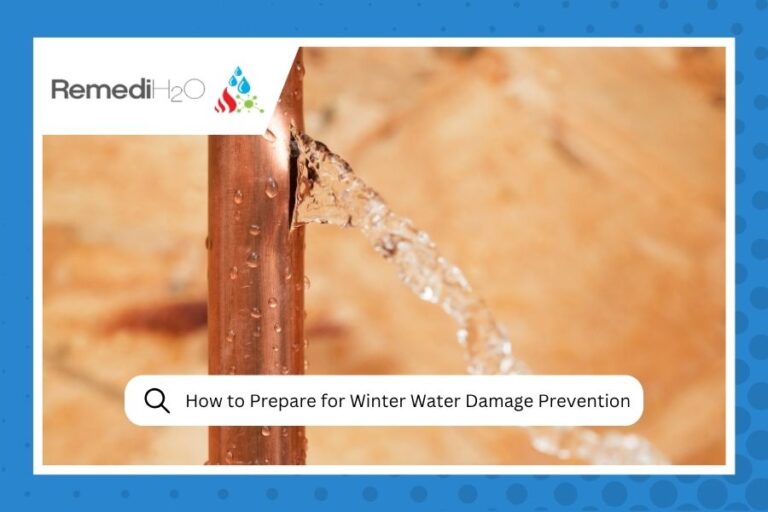
Living up here changes the math a little. Dry mountain air can speed evaporation, but hard Western Slope freeze cycles do the opposite. A pipe that bursts at ten degrees floods more of the house before anyone notices, and that raises the tab.
What your drying dollars pay for
💧 Water extraction: pumping and vacuuming standing water out fast.
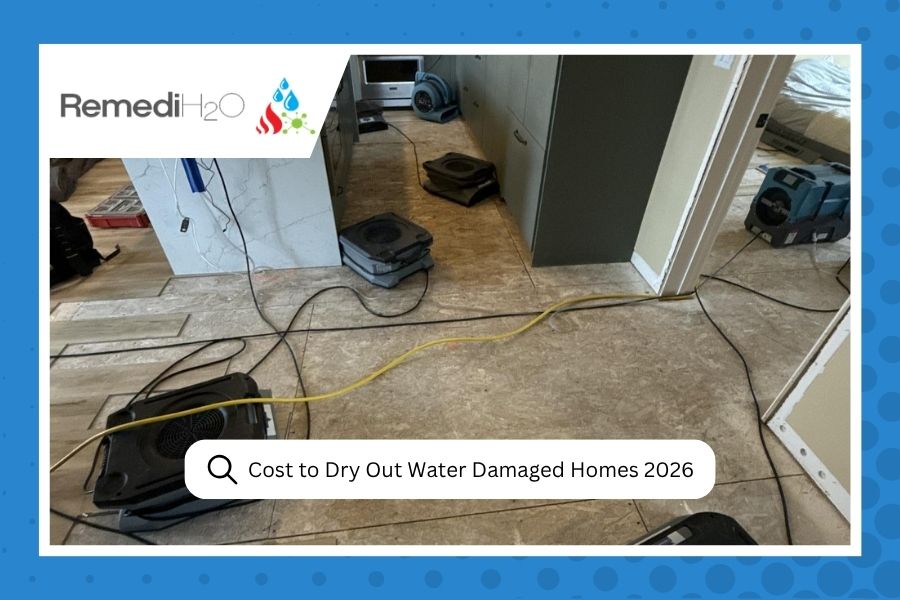
🌬 Equipment rental: air movers and dehumidifiers running for days.
🔥 Labor and monitoring: daily moisture readings until materials hit dry.
🦠 Antimicrobial treatment: stopping mold before it starts.
What drives the price up or down?
Four things move the needle most: water type, square footage, materials touched, and response time. The category of water matters more than people expect. Clean water from a pipe is cheap to handle. Grey or black water brings safety steps that add cost.
Response time is the one factor you control. According to the EPA’s guidance on mold and moisture, mold can take hold within 24 to 48 hours of water exposure. Wait too long and a drying bill turns into a mold bill.
| Water Category | Source Example | Cost Impact |
|---|---|---|
| Clean (Cat 1) | Broken supply line, rain | Lowest |
| Grey (Cat 2) | Washing machine, dishwasher | Moderate |
| Black (Cat 3) | Sewage, flood water | Highest |
Materials matter too. Tile and sealed concrete dry easily. Carpet, drywall, and insulation soak water like a sponge and often need removal, which is where a flood damage restoration job gets pricier. Our friends in older Glenwood Springs and Carbondale homes know hardwood floors add another wrinkle.
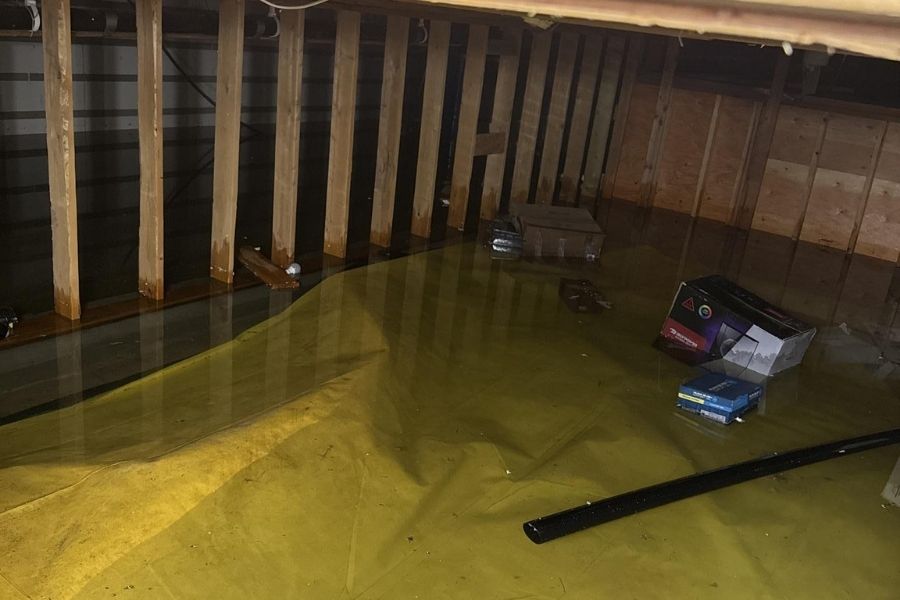
Water sitting in your home right now?
Every hour counts. Get a free, no-pressure estimate from a local crew that answers day or night.
How the drying process actually works
Proper drying follows a set order, and skipping steps is how homeowners end up paying twice. First comes extraction. Then we set air movers and dehumidifiers to pull moisture from the air and materials. We follow the IICRC S500 standard for structural drying.
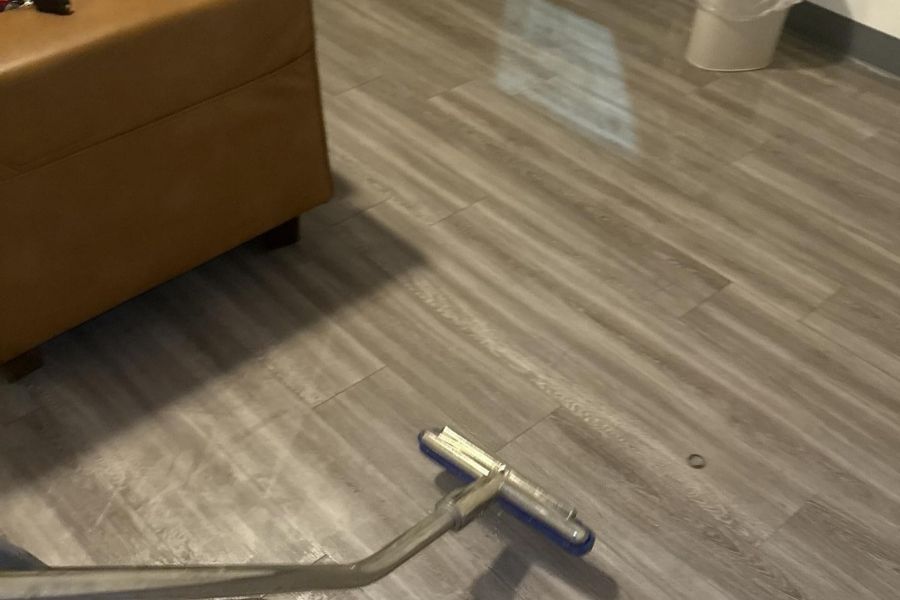
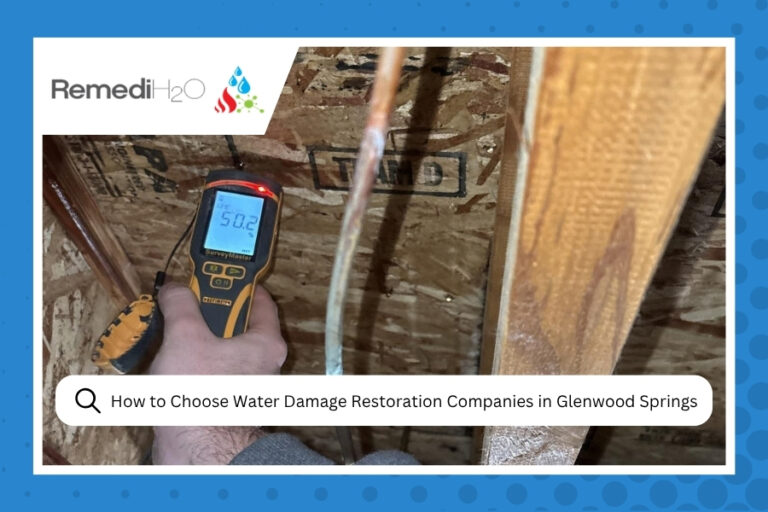
Here’s what surprises people. The equipment usually runs three to five days, sometimes longer. We take daily moisture readings, log them in Xactimate for the insurance file, and pull the gear only when the numbers say a material is truly dry. Guessing invites hidden mold later.
Need the fast version of what to do the moment you spot water? Our guide on how to stop water damage in seven steps walks through it.
Simple ways to keep drying costs down
A few smart moves in the first hour can shave real money off the final bill. Here’s what actually helps:
- Shut off the water source right away, if you can reach it safely.
- Call a certified crew fast. Speed is the single biggest cost lever.
- Move furniture and rugs off wet flooring so fewer items get damaged.
- Snap photos of everything before you touch it for your insurance file.
- Skip the household box fan on soaked carpet. It spreads moisture, not results.
Will insurance cover the drying bill?
Often, yes. Most homeowners policies cover sudden, accidental water damage, like a pipe that bursts in a January freeze. Slow leaks and long-neglected problems usually get denied. That difference decides who pays.
We document everything and work directly with adjusters, so you’re not stuck playing middleman. For a deeper look at coverage, read what water damage restoration covers in Colorado. Curious about repair costs beyond drying? Our Grand Junction water damage pricing guide digs in.
Can you dry it out yourself?
Sometimes. A cup of clean water on tile? Grab towels and a fan. You’ve got this. But once water reaches carpet, drywall, or subfloor, a household fan just won’t cut it.
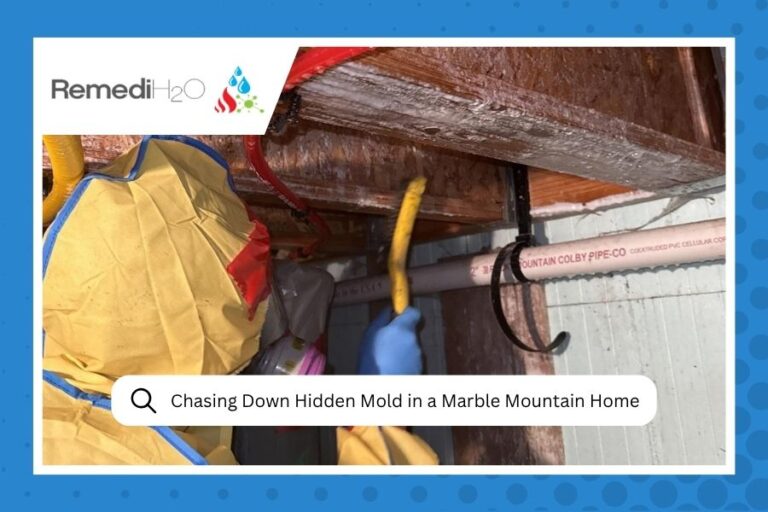
The trouble is what you can’t see. Moisture hides behind baseboards and inside wall cavities, and that trapped dampness feeds mold. When drywall stays wet, a small area can turn into professional mold remediation weeks later. If you’re in Aspen, Rifle, or nearby and unsure, a quick look from our team costs nothing.
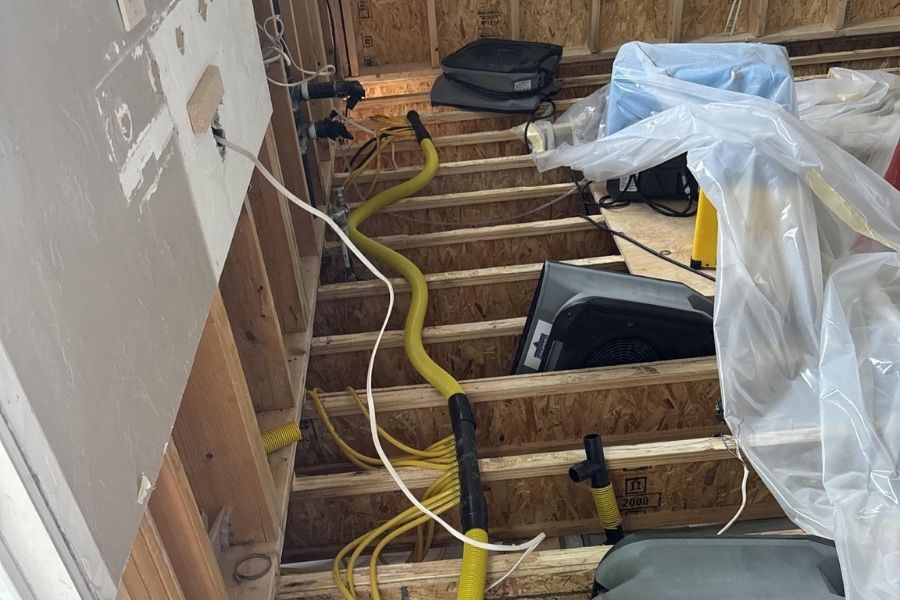
Think of it like this. Renting fans feels cheaper on day one. Then the musty smell shows up, and you’re paying for drying, mold work, and new drywall. We’ve seen rushed DIY jobs double the final cost, so doing it right the first time is usually cheaper.
Frequently Asked Questions
How long does it take to dry out a water damaged home?
Most drying jobs take three to five days once equipment is running. Larger floods or dense materials like hardwood can push that to a week or more. We confirm dryness with moisture meters, not guesswork.
Is drying cheaper than replacing everything?
Almost always. Fast, thorough drying saves flooring, drywall, and framing that would otherwise be torn out. The sooner you call, the more we can save, which keeps your total bill lower.
Do you charge for an estimate on the Western Slope?
No. Estimates and inspections are free across our service area, from Silt and Glenwood Springs to Aspen and Grand Junction. You get a clear scope before any work begins.
What if I find mold after the water dries?
That points to moisture left behind, often from a rushed DIY dry-out. We inspect, find the source, and treat it. Catching it early keeps mold work small and affordable.
Don’t let water sit and cost you more.
RemediH2O responds 24/7 across Colorado’s Western Slope and Roaring Fork Valley, from Silt to Aspen. Fast drying, honest pricing, and direct insurance help.
Call anytime: (970) 715-6990