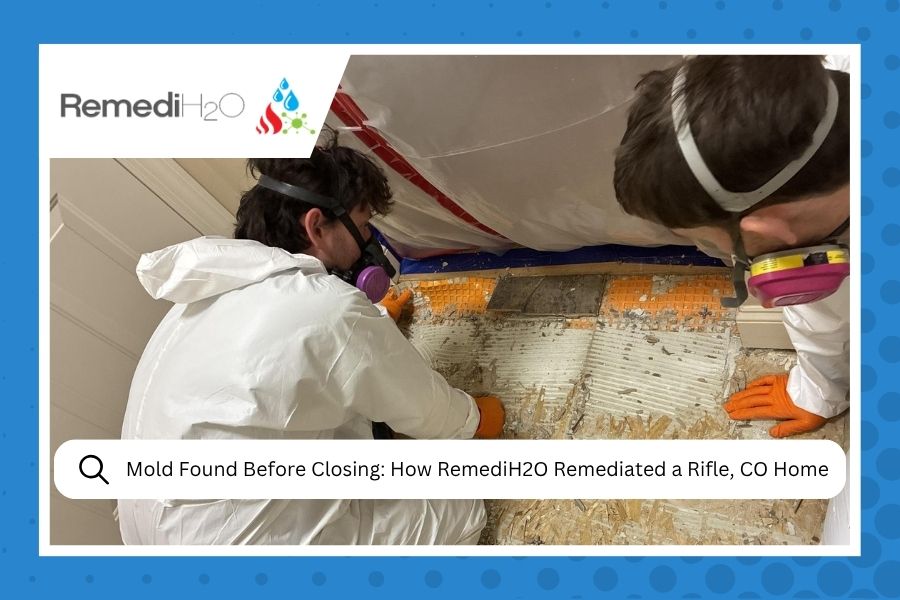
Four days from closing on a home in Rifle, Colorado, a buyer got an inspection report flagging possible mold. The inspector had submitted air quality samples to a lab and pointed to two main areas of concern: the crawlspace and one bathroom. She called RemediH2O. What started as a focused assessment turned into a whole-home mold remediation project spanning nearly every room in the house. When we walked that property, the story was clear: swollen baseboards, stained flooring, and a crawlspace a previous contractor had “treated” by encapsulating over materials that had never been properly cleaned.
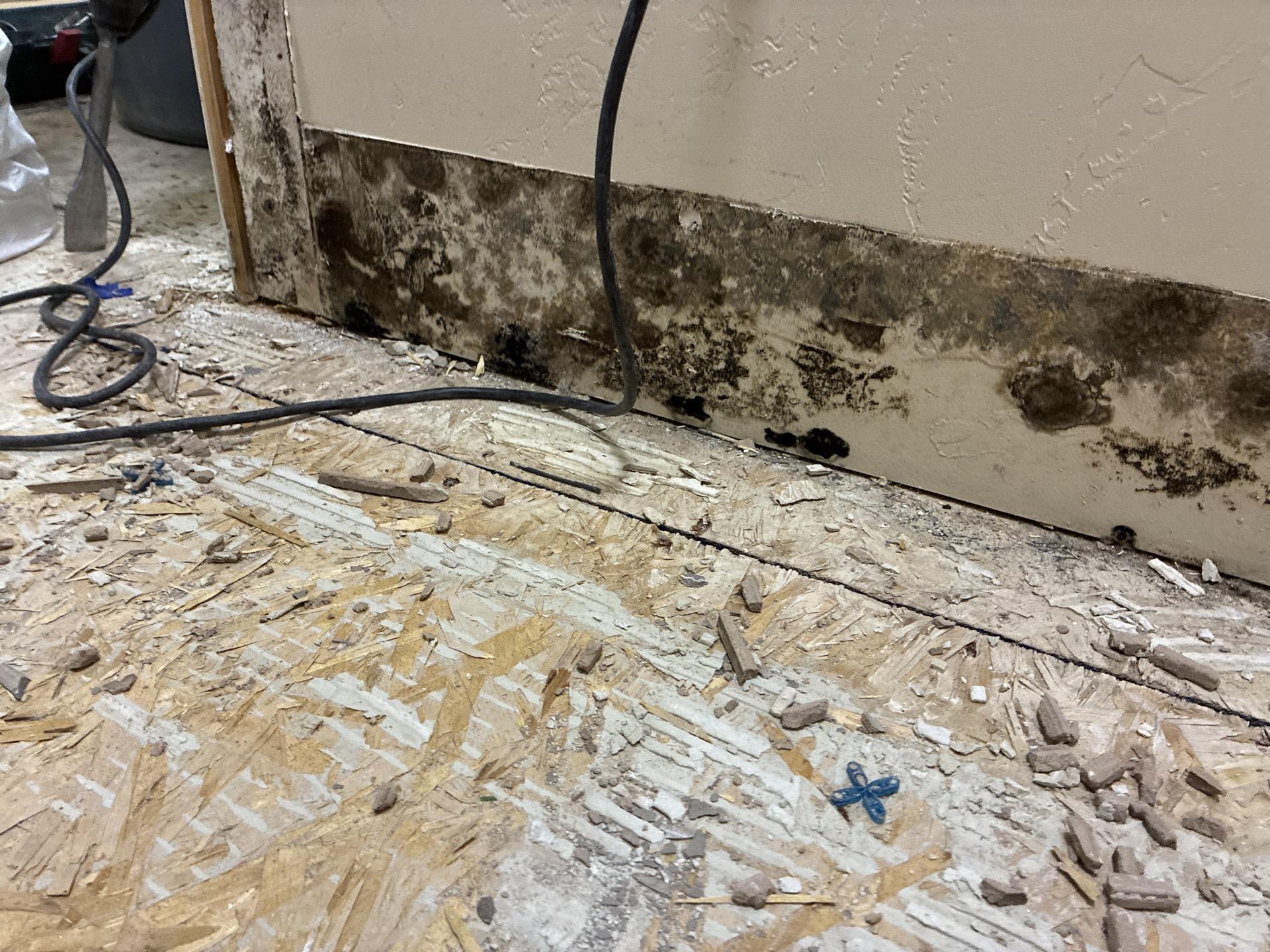
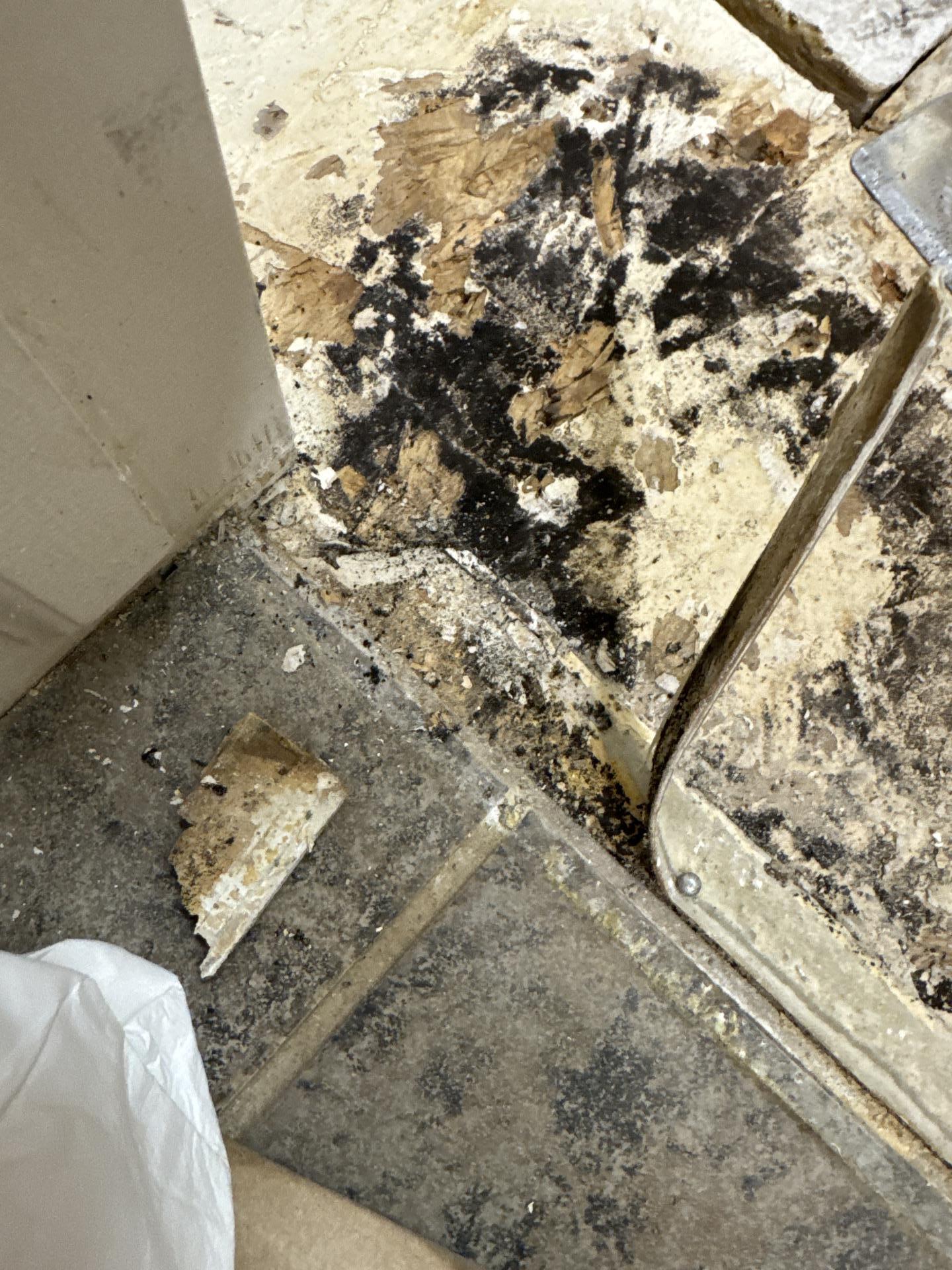
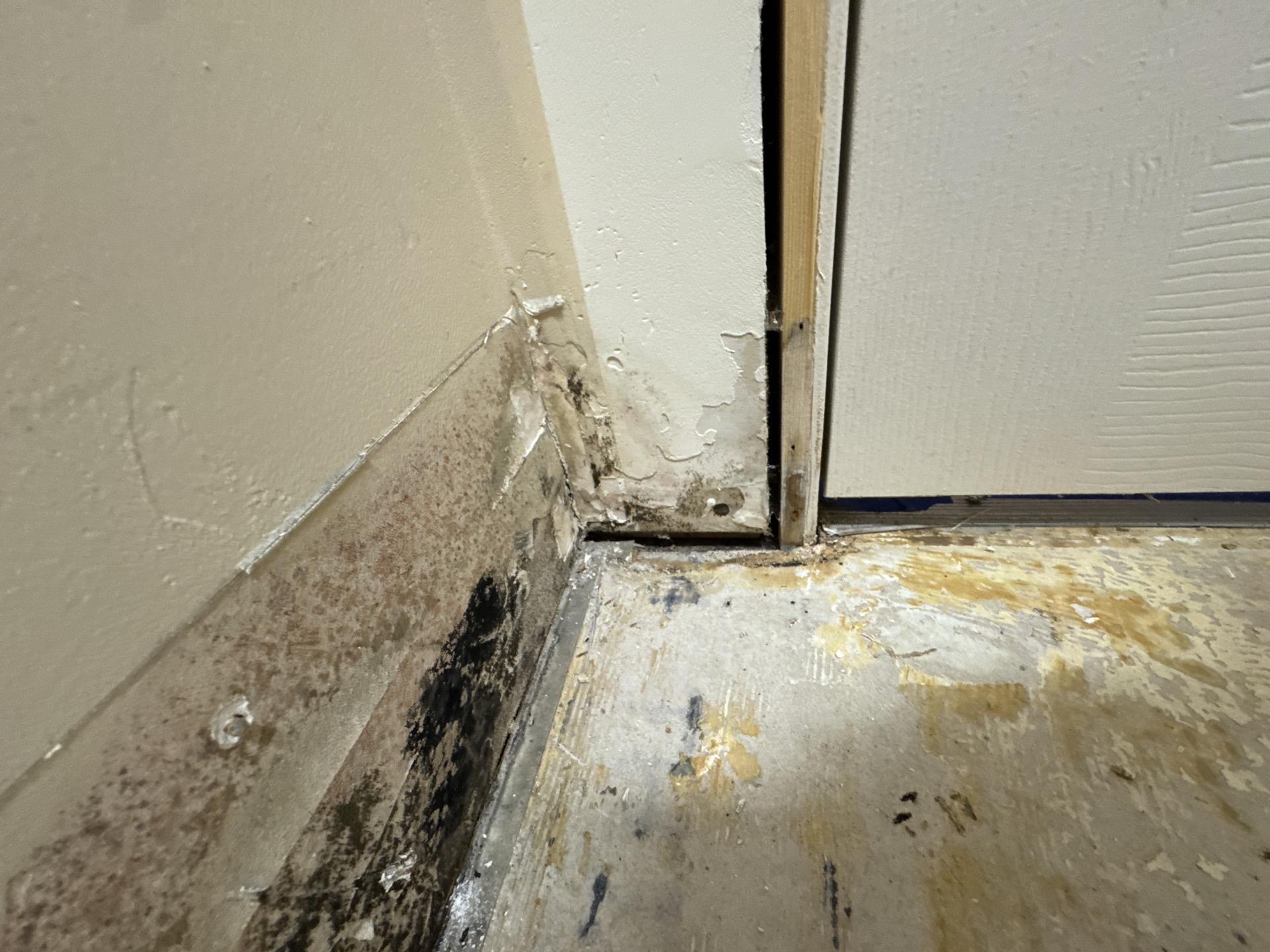
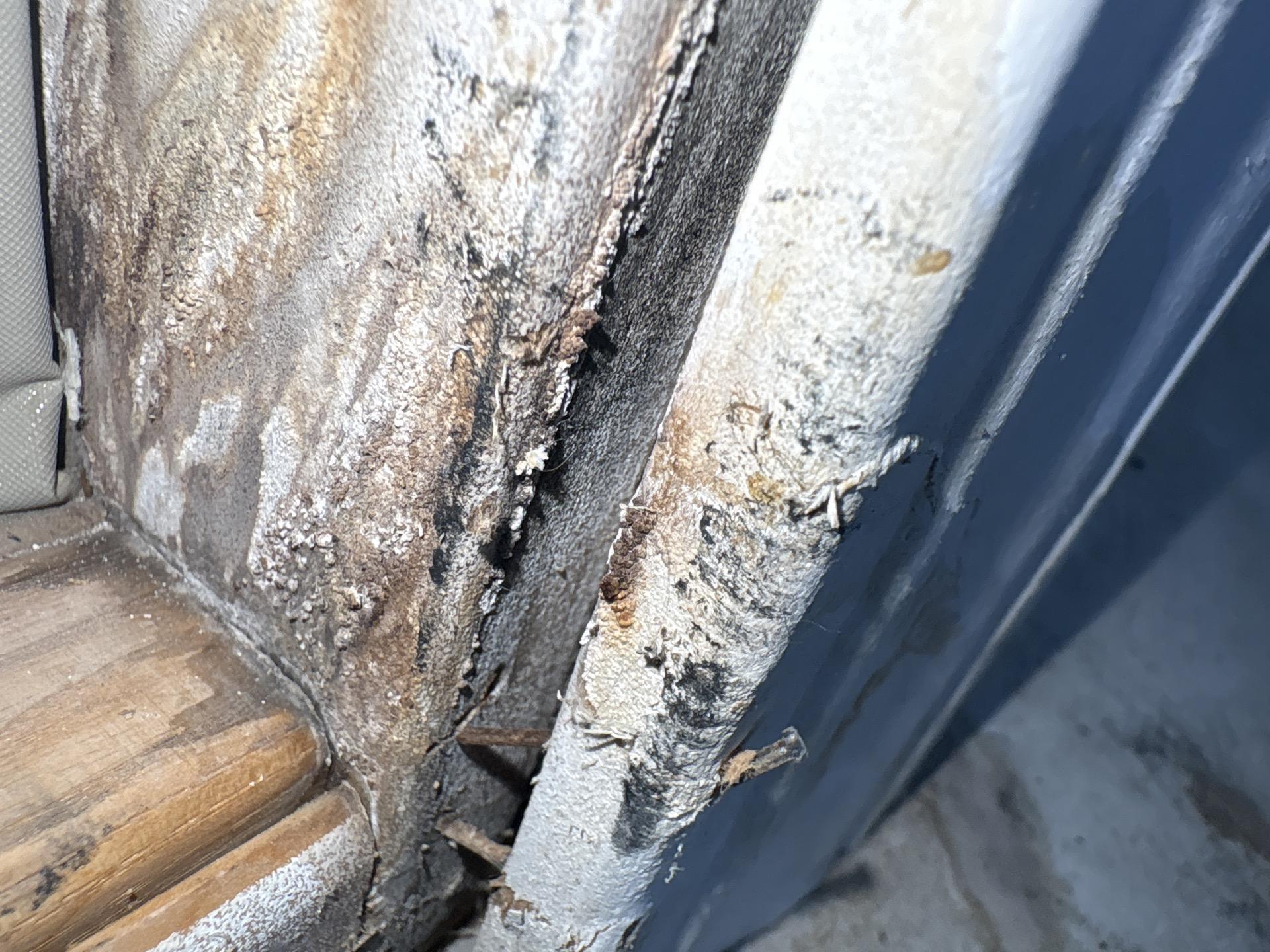
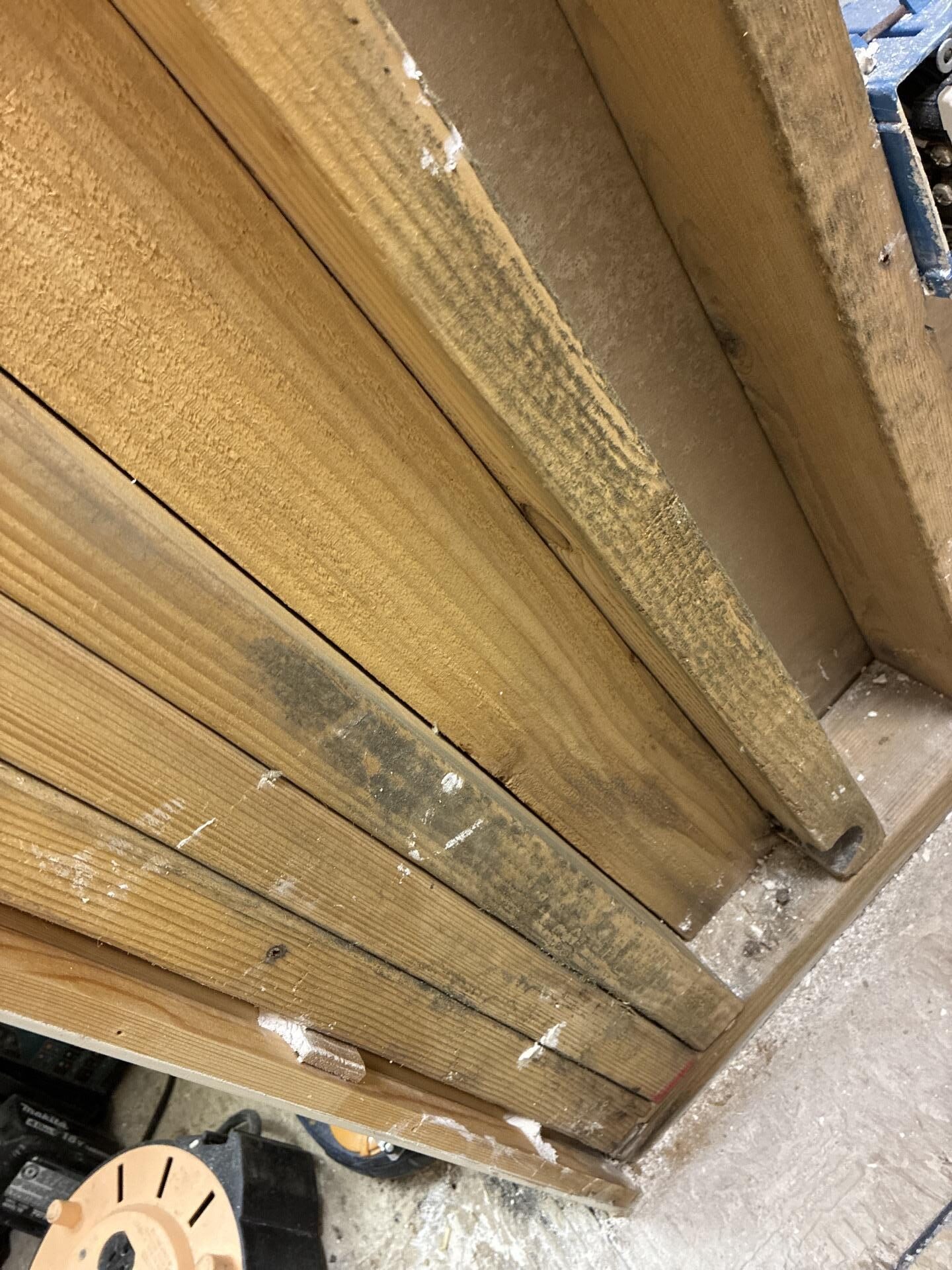
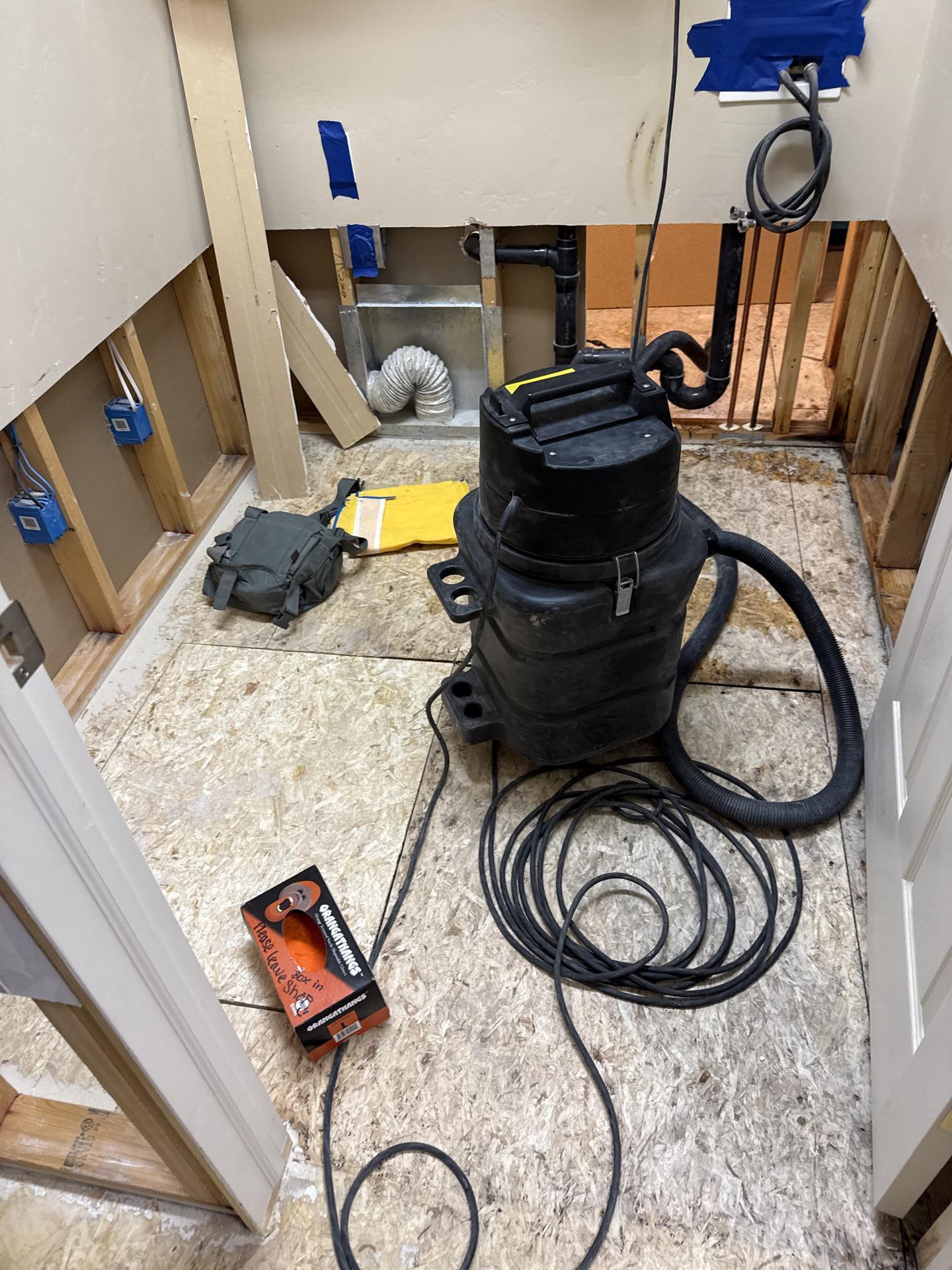
Initial site assessment: conditions observed across the property before remediation began.
 |  |  |
 |  |
What We Found: More Than the Inspector Flagged
The inspector flagged the crawlspace and one bathroom. By the time we finished our assessment, active remediation scopes covered the master bathroom, laundry room, mechanical room, garage foyer, master bedroom, and crawlspace. The laundry room was the most obvious: swollen baseboards around the entire perimeter, flooring that had absorbed water and never recovered, and microbial colonization confirmed in the crawlspace below. The master bathroom showed saturation in the subfloor assembly with no active leak at the fixtures. Removing the baseboards revealed mold on the drywall, triggering a change order that pulled shared wall systems with the mechanical room into scope too.
Per IICRC S520, encapsulation cannot substitute for remediation unless materials are properly cleaned first. The previous crawlspace work didn’t meet that bar, so we removed everything they had installed before we could assess or treat what was underneath.
Room-by-Room: What We Did and Why
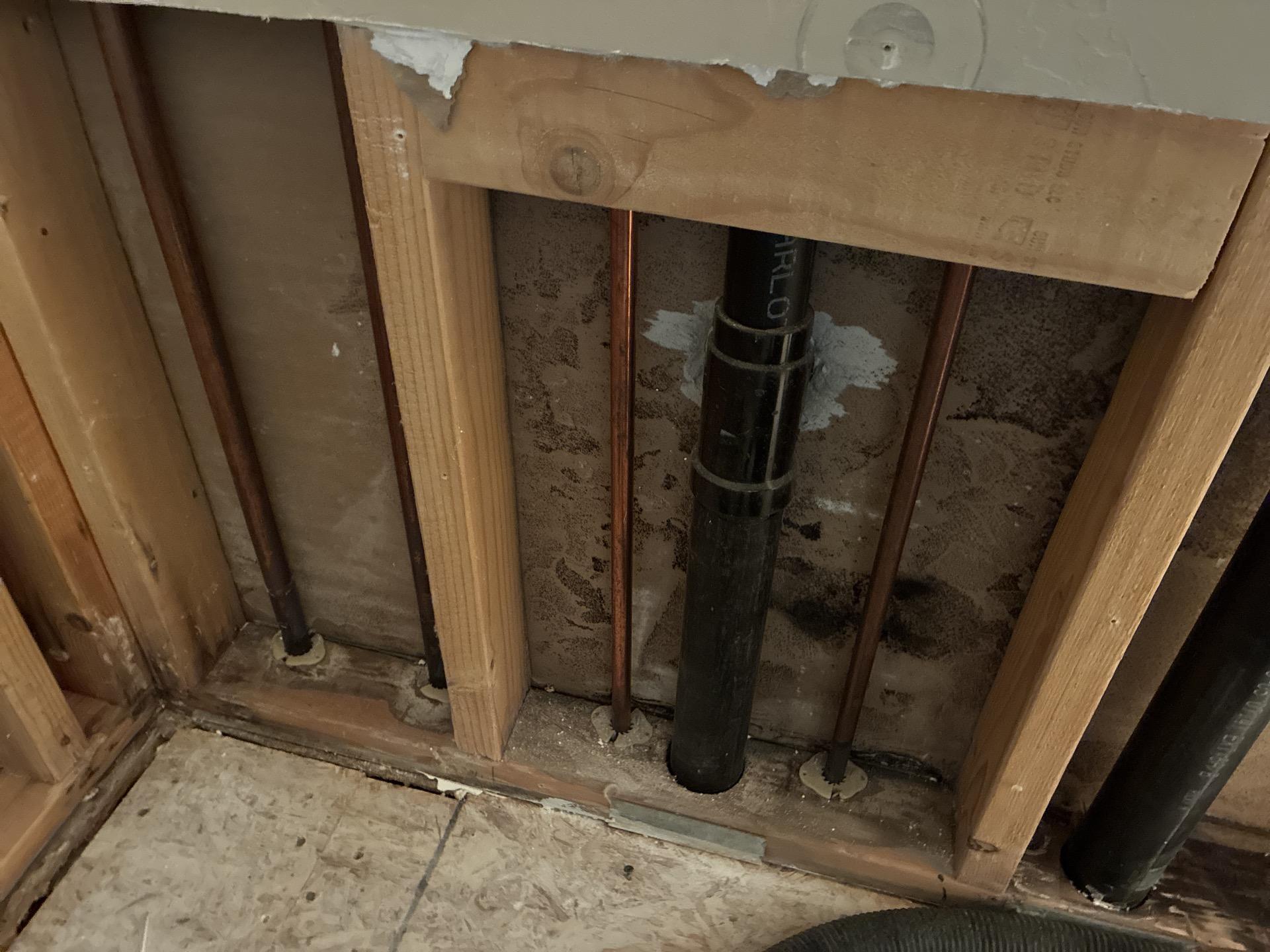
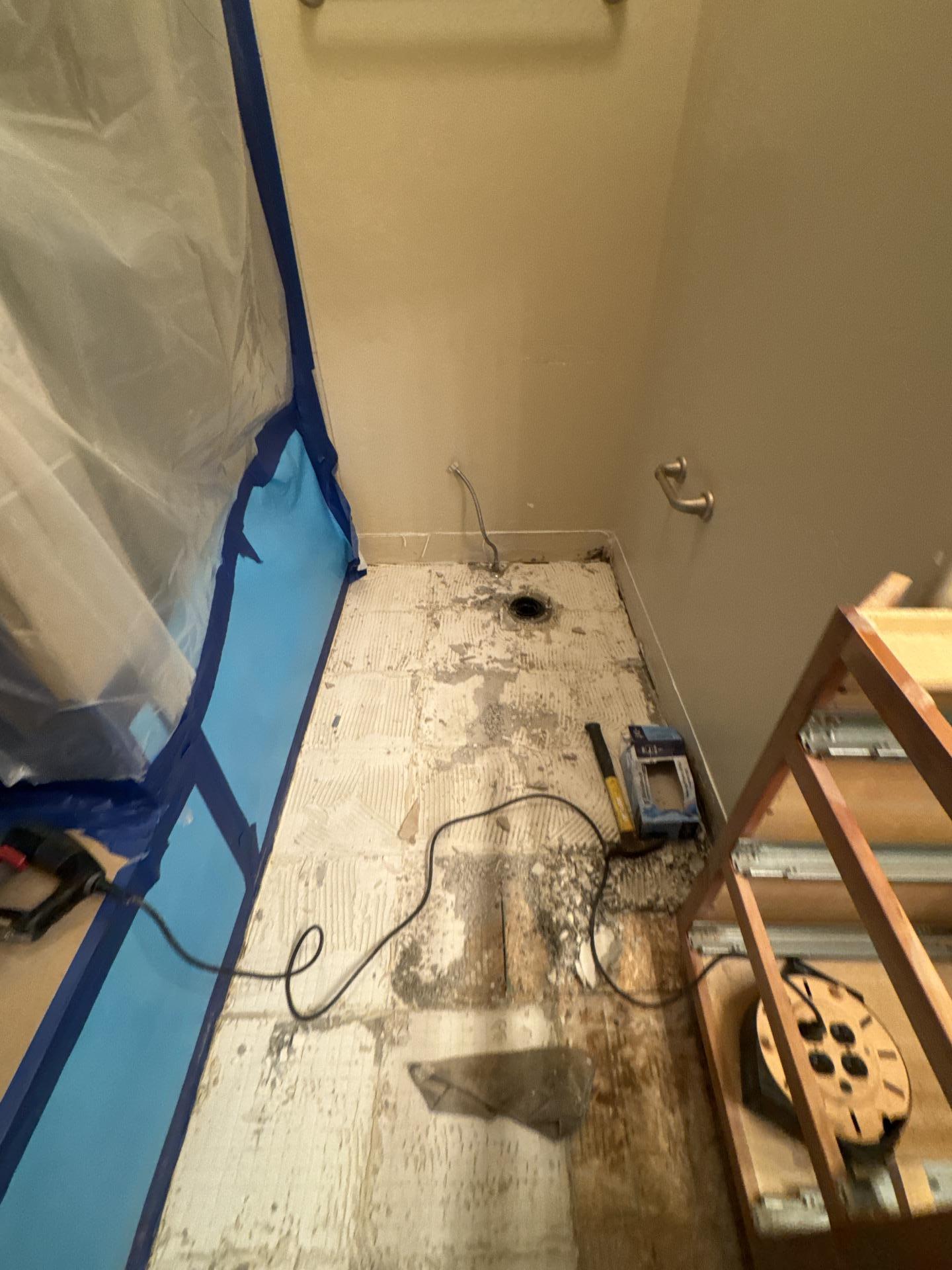
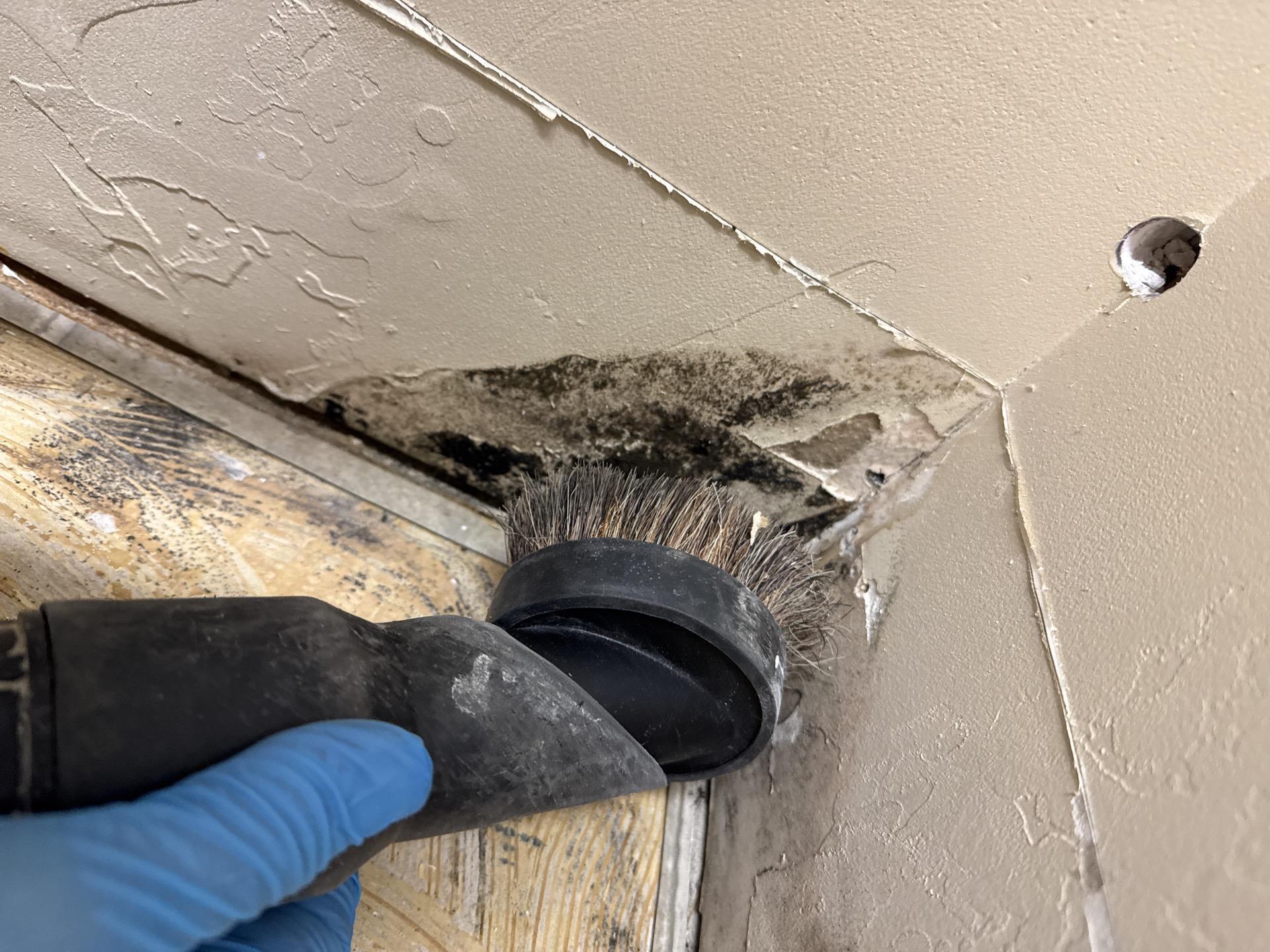
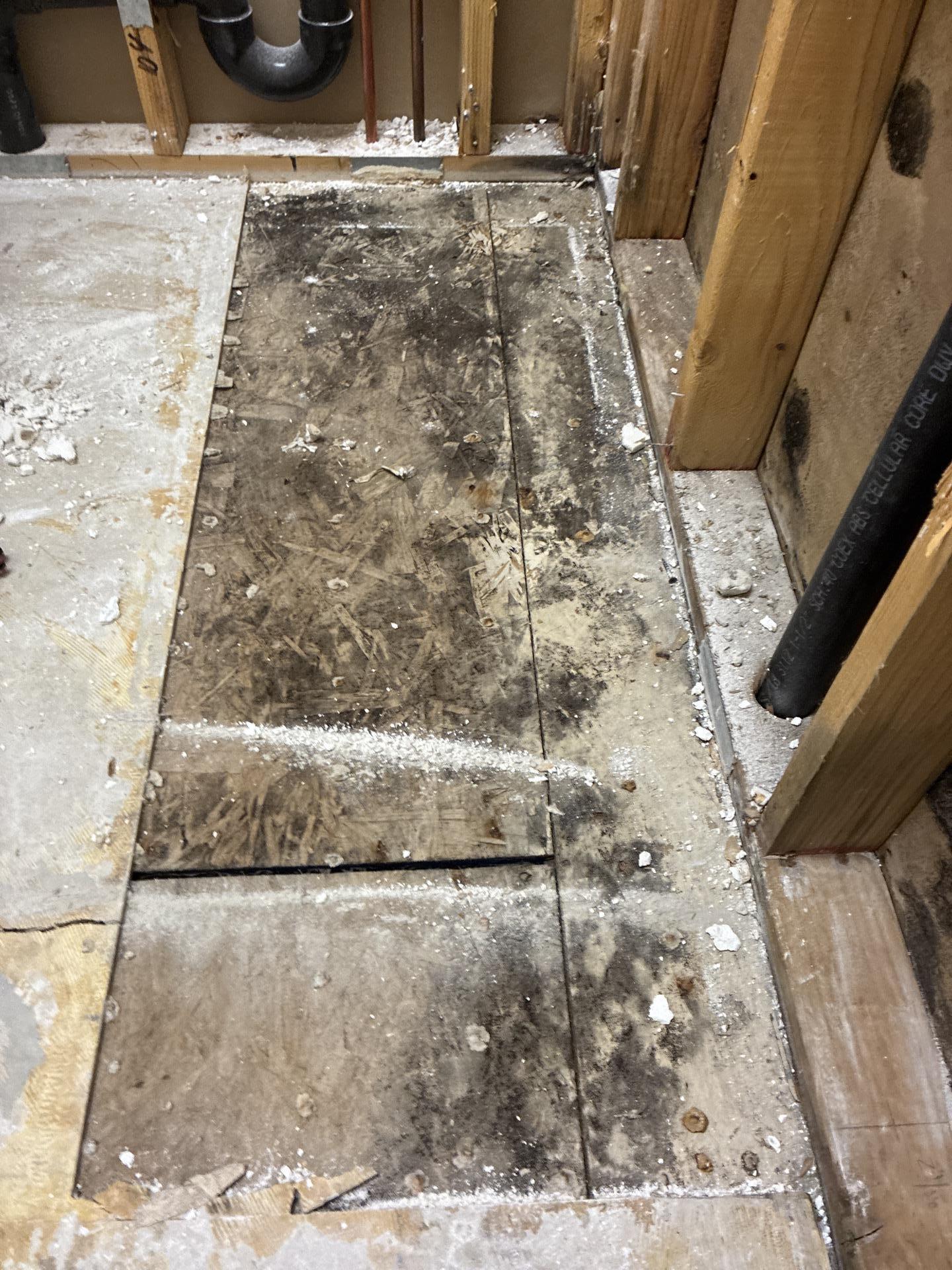
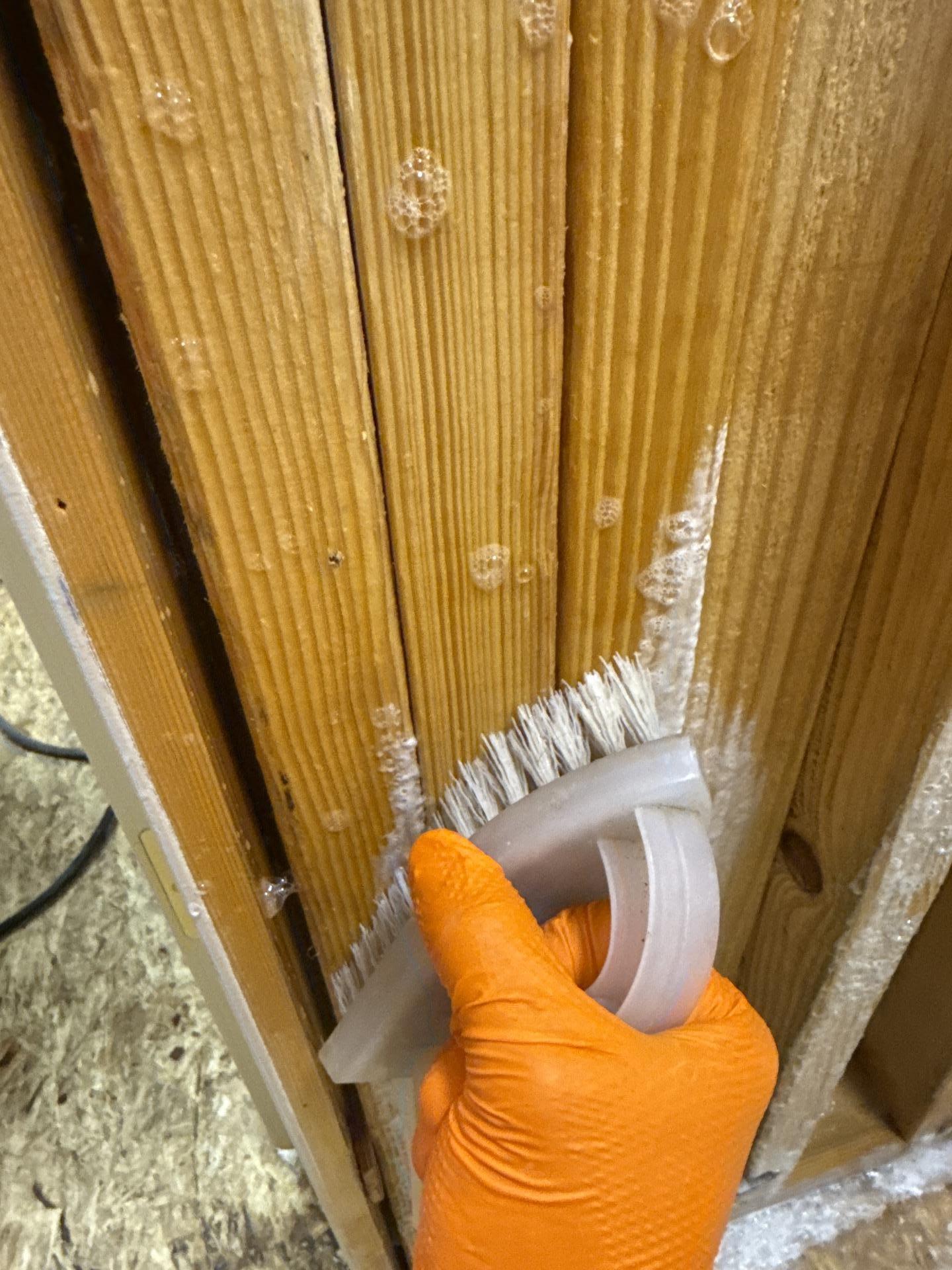
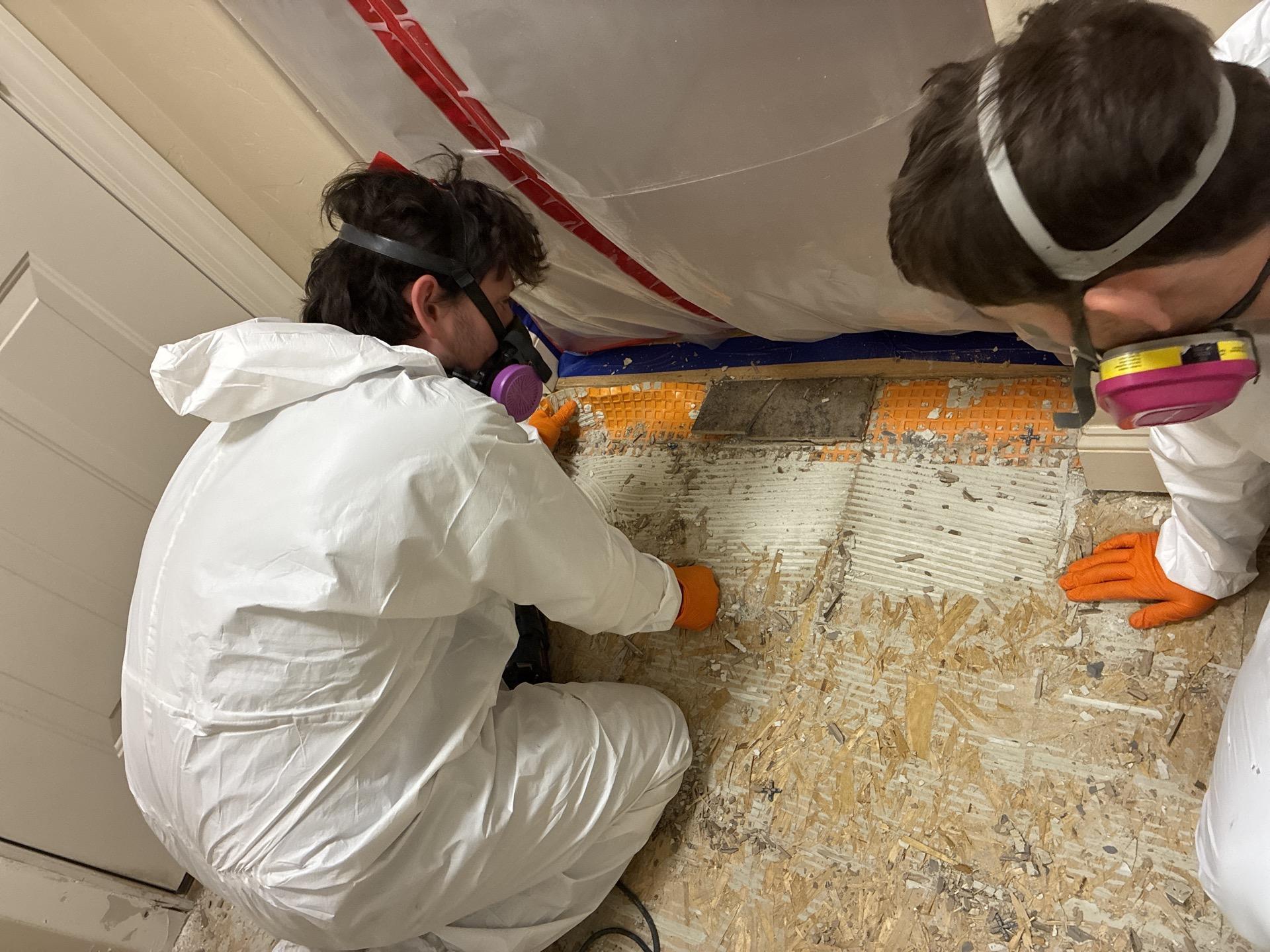
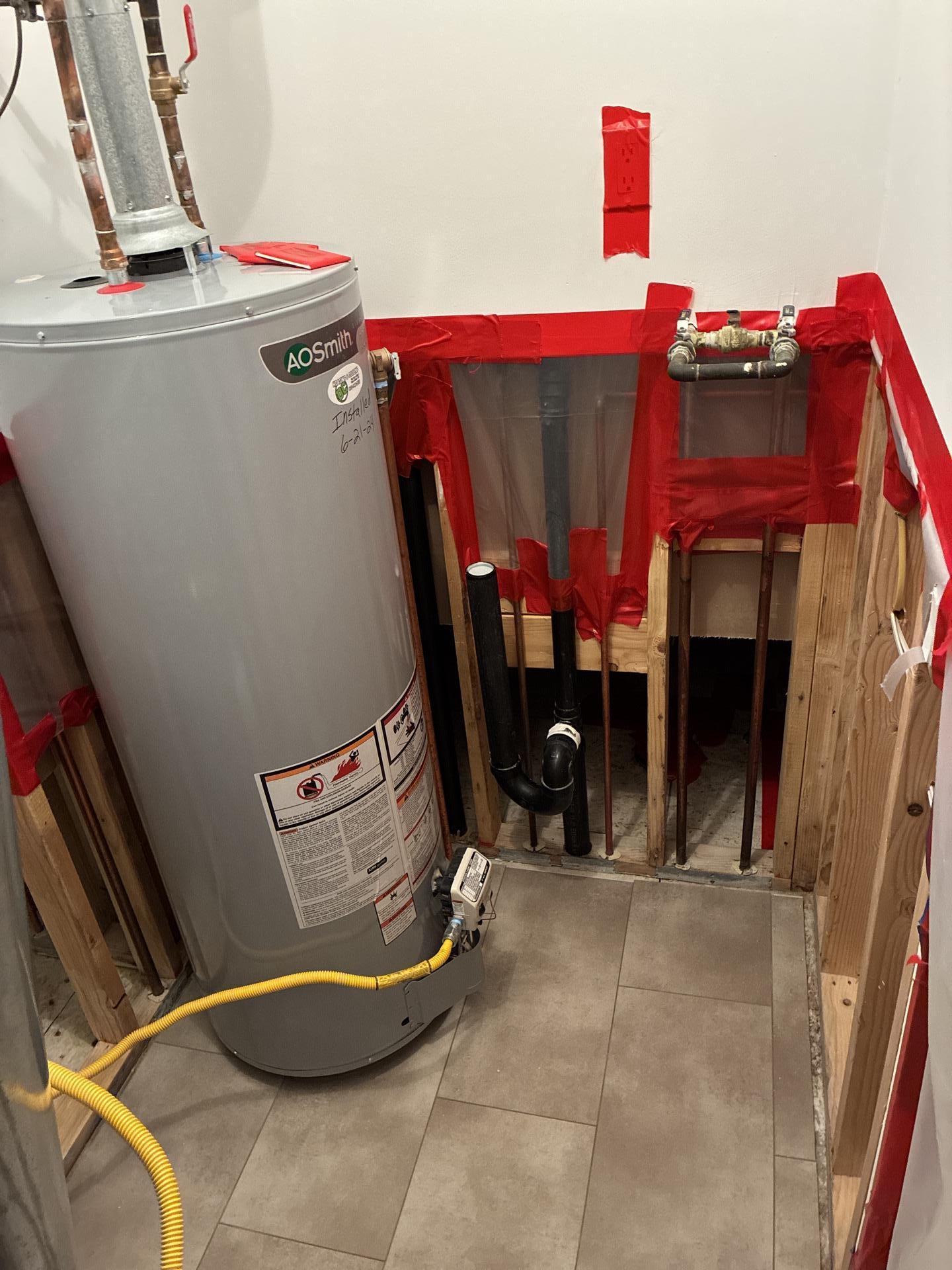
Remediation in progress: containment, demolition, and treatment across affected rooms.
 |  |  |
 |  |  |
Master Bathroom and Master Bedroom
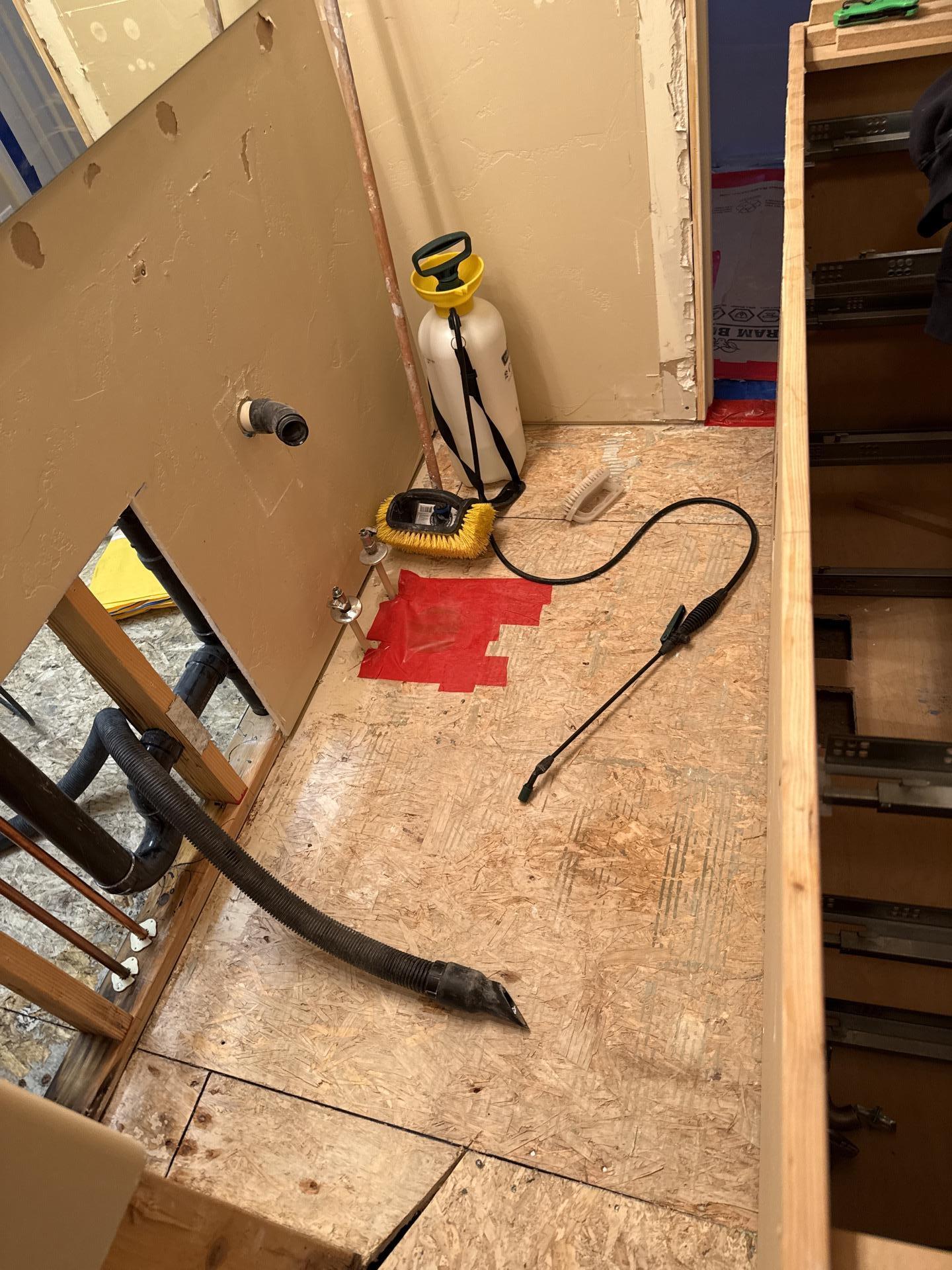
We established full containment and negative pressure, removed the toilet and cabinet, and pulled all floor tile. After exposing the subfloor, we HEPA vacuumed, applied antimicrobial treatment, sanded where needed, and did a final HEPA pass. The baseboards revealed mold on the drywall behind them, triggering a change order covering approximately 12 feet 8 inches of two-foot flood cuts. The master bedroom was brought into containment for HEPA vacuuming and antimicrobial treatment along the shared wall, with no additional demolition needed.
Laundry Room and Mechanical Room
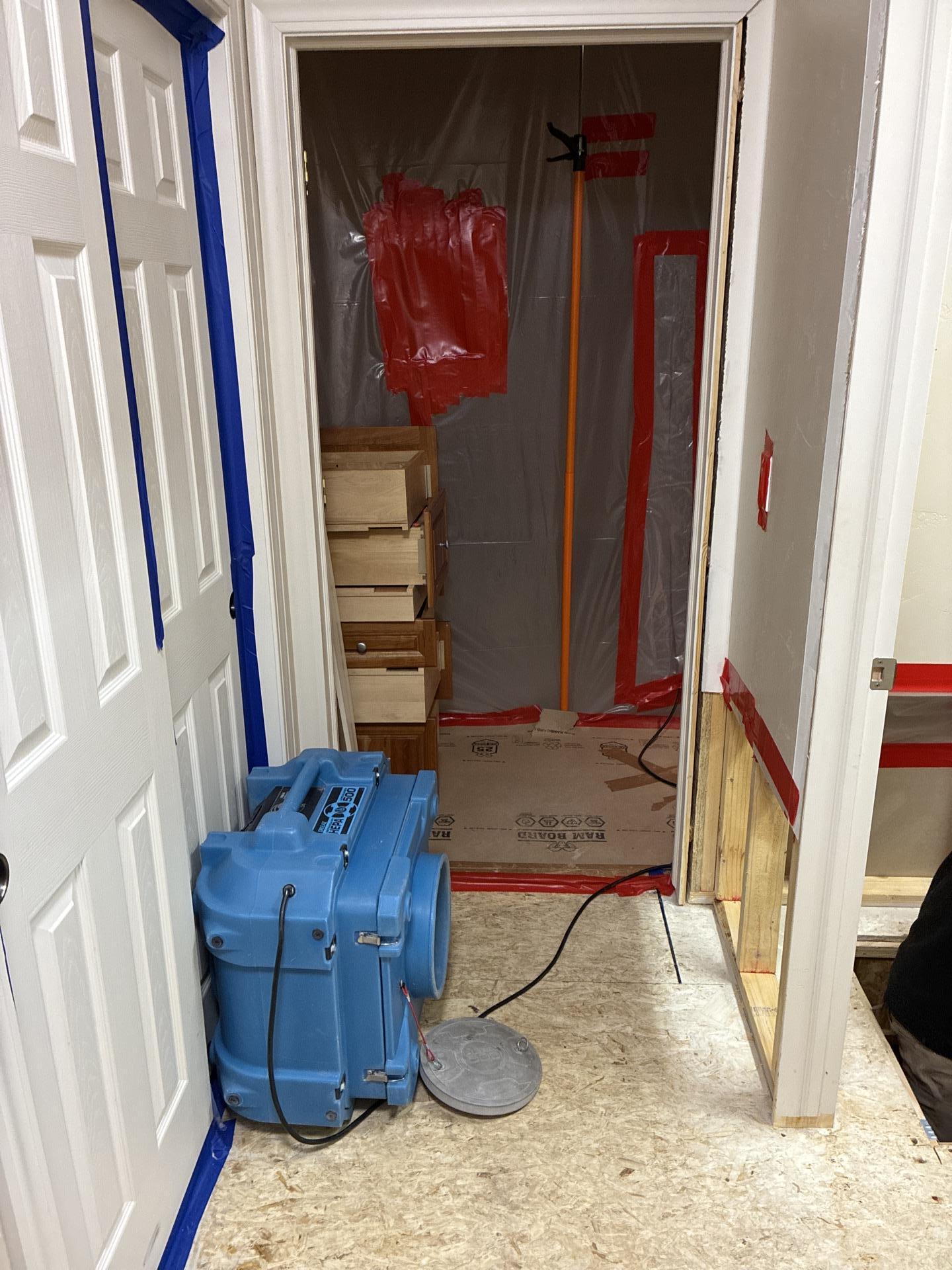
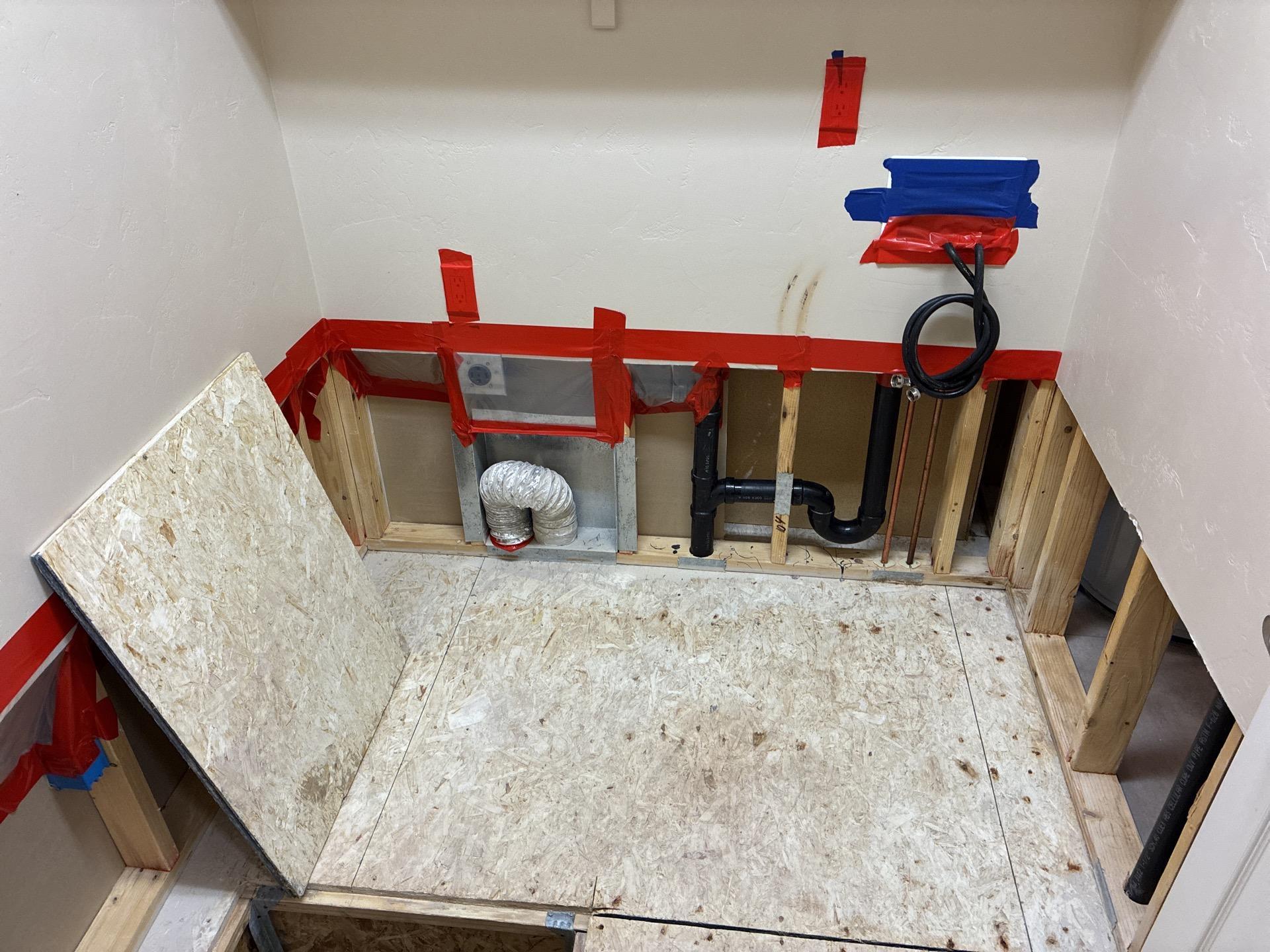
The laundry room required the full protocol per IICRC S500 and S520: full containment and negative pressure, removal of all baseboards and vinyl flooring, and two-foot flood cuts around the entire perimeter. We HEPA vacuumed the subfloor and studs, applied antimicrobial treatment, and sanded affected framing. Mold staining ran deeper than estimated, requiring a change order for additional sanding. Shared wall cavities with the mechanical room revealed more growth: approximately 32 linear feet of flood cuts, baseboard removal, sanding, HEPA vacuuming, and antimicrobial treatment, all under containment.
Garage Foyer and Common Bathroom
The garage entry had microbial growth at the threshold from repeated snow and rain moisture. We contained the space, removed degraded trim, and applied peroxide-based antimicrobial treatment. Growth discovered beneath the foyer tile during that work required additional tile removal and flood cuts. The common bathroom had cracked grout but no active moisture, so no remediation was needed there, just a recommendation to re-grout to reduce future moisture risk.
The Crawlspace: Why Encapsulation Alone Isn’t Enough
Crawlspace remediation and vapor barrier replacement, plus post-work conditions in treated areas.
 |  |  |
 | 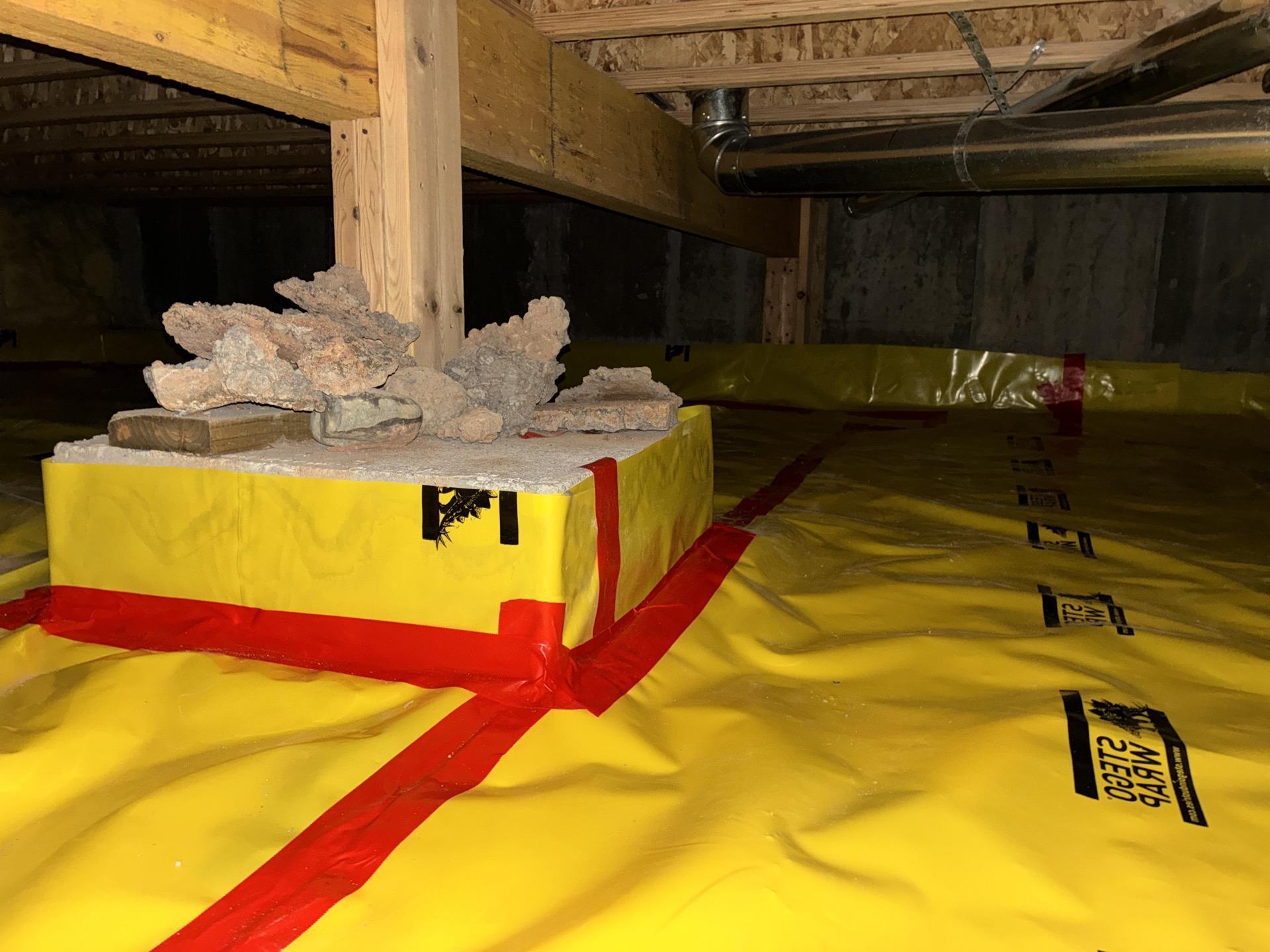 |  |
The crawlspace is where this job got complicated. A previous contractor had installed encapsulation, which isn’t a solution when materials underneath haven’t been remediated first. We removed the encapsulation entirely, evaluated structural components, then worked through the full protocol: HEPA vacuuming, antimicrobial treatment, mechanical abrasion, and a final HEPA pass. Every surface passed visual inspection before we moved on.
The existing vapor barrier had improper overlap and moisture accumulating beneath it. Relative humidity was reading 56.1%, above the 50% target. We removed the old barrier, ran dehumidification, and installed a properly sealed 10-mil Visqueen vapor barrier to reduce vapor transmission.
Scope Summary
- Master bathroom: tile and drywall removal, antimicrobial treatment
- Master bedroom: containment, HEPA vacuuming, antimicrobial application
- Laundry room: floor and drywall removal, flood cuts, full structural treatment
- Mechanical room: 32 linear feet of flood cuts, drywall removal, full treatment
- Garage foyer: tile removal, flood cuts, antimicrobial treatment
- Crawlspace: encapsulation removal, structural remediation, vapor barrier replacement
- Whole-structure fogging and HEPA vacuuming of all flat surfaces
Final Clearance: How We Wrapped It Up
Once remediation was complete, we kept equipment running and containments in place until the site was ready for verification. We performed whole-structure fogging and HEPA vacuumed all horizontal surfaces outside containment zones to address potential cross-contamination from prior work. Clearance testing was completed the following Friday by Tru Perspective Home Consultants. Every scope and change order was documented and tied to IICRC S520 protocols throughout.
Want to read more? See how hidden mold took over a Carbondale home, what black mold is and how it forms after water damage, and what Colorado homeowners need to know about mold remediation and insurance.
Frequently Asked Questions
Does a mold inspection mean the home is unsafe to buy?
Not necessarily. What matters is whether mold is properly remediated before closing and that you have documentation of the work. Many buyers use inspection findings to negotiate or require remediation as a condition of sale.
Can encapsulation in a crawlspace replace mold remediation?
No. Encapsulation is a moisture control strategy, not remediation. Per IICRC S520, it cannot substitute for proper cleaning and treatment of affected materials. Installing a vapor barrier over active or historical mold growth seals in the problem, it doesn’t solve it.
How long does a multi-room mold remediation take?
It depends on how many areas are affected and how deeply mold has penetrated structural materials. A scope spanning bathrooms, laundry, mechanical room, and crawlspace typically takes several days for remediation, followed by a waiting period before clearance testing.
Mold Found During a Home Inspection in Rifle or the Western Slope?
Our team responds fast, works within scope, and documents everything so you can move forward with confidence.