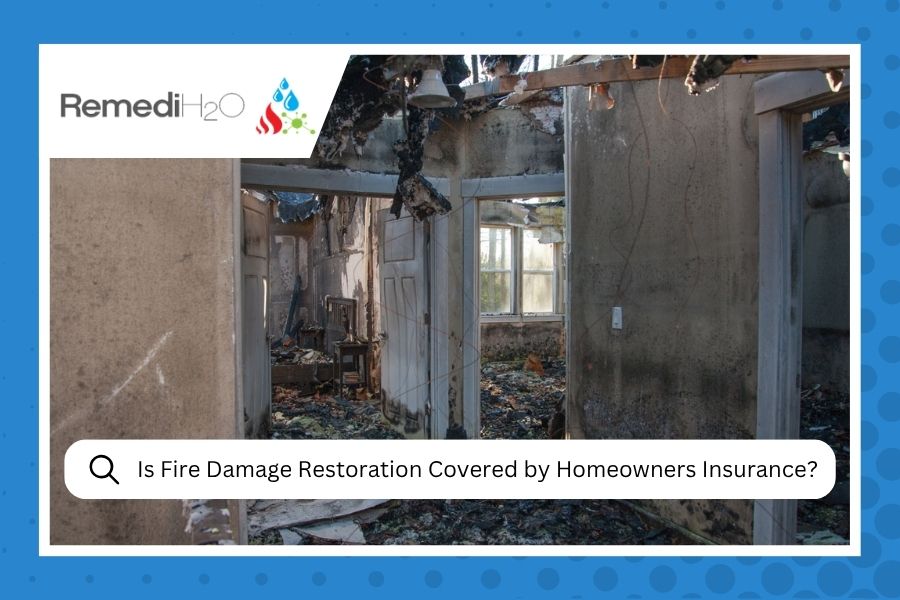
A house fire is one of the most overwhelming things a homeowner can face. Once the smoke clears and the adrenaline settles, the question almost everyone asks is: will my homeowners insurance cover this? The short answer is yes, in most cases. But knowing the specifics before you file a claim saves serious time, money, and stress. Our team at RemediH2O has helped homeowners from Silt to Aspen navigate the process, and we want to break this down clearly. Here’s what you need to know about fire damage restoration and insurance coverage.
Dealing with fire damage right now?
Our IICRC-certified team is available 24/7 across Colorado’s Western Slope and Roaring Fork Valley. We work directly with your insurance company so you don’t have to manage it alone.
Does Homeowners Insurance Cover Fire Damage?
Yes. Standard homeowners insurance policies cover fire and smoke damage caused by accidental fires, including fires that start inside the home, spread from a neighbor’s property, or result from wildfires. Fire is treated as a covered peril under both the dwelling and personal property sections of most policies.
That said, not every fire-related loss is automatically covered. The cause of the fire, your policy limits, and your maintenance history all play a role. According to the U.S. Fire Administration’s homeowner recovery guide, residential fires cause billions in property losses each year, and homeowners insurance is the primary safety net for most families. Understanding your policy before a fire happens is the single best thing you can do.
📋 Fire Damage Insurance Coverage at a Glance
| Coverage Type | What It Covers | Typical Limit |
|---|---|---|
| Dwelling Coverage | Structure, walls, roof, built-in systems | Up to replacement cost of home |
| Personal Property | Furniture, clothing, electronics, appliances | 50-70% of dwelling coverage (varies) |
| Additional Living Expenses | Hotel, meals, temporary rental | 20-30% of dwelling coverage (varies) |
| Other Structures | Garages, fences, sheds | Typically 10% of dwelling coverage |
Coverage limits vary by insurer and policy. Always review your specific declarations page.
What a Standard Policy Typically Covers
Structural Damage
Your dwelling coverage pays to repair or rebuild the physical structure: walls, floors, ceilings, the roof, windows, and built-in systems like electrical and HVAC. Smoke and soot damage to walls, ceilings, and ductwork also falls under this coverage. Hidden smoke damage often extends well beyond the room where the fire started, so a thorough restoration scope matters.
Personal Belongings
Personal property coverage applies to furniture, clothing, electronics, and household items damaged or destroyed. Policies pay at either actual cash value (depreciated) or replacement cost value. Take photos and create an inventory of everything damaged as soon as it’s safe to enter.
Additional Living Expenses
If the fire makes your home uninhabitable, ALE coverage pays for hotels, short-term rentals, and extra food costs during restoration. This is a real lifeline for families in Glenwood Springs, Carbondale, Basalt, and Rifle, where temporary rentals can be hard to find. Keep every receipt.
Smoke Odor and Soot Remediation
Professional smoke damage cleanup and soot removal are covered costs under most standard policies. Lingering odor requires specialized treatment beyond simple cleaning. Our full fire damage restoration process addresses both visible soot and the odor embedded in walls, contents, and HVAC systems.
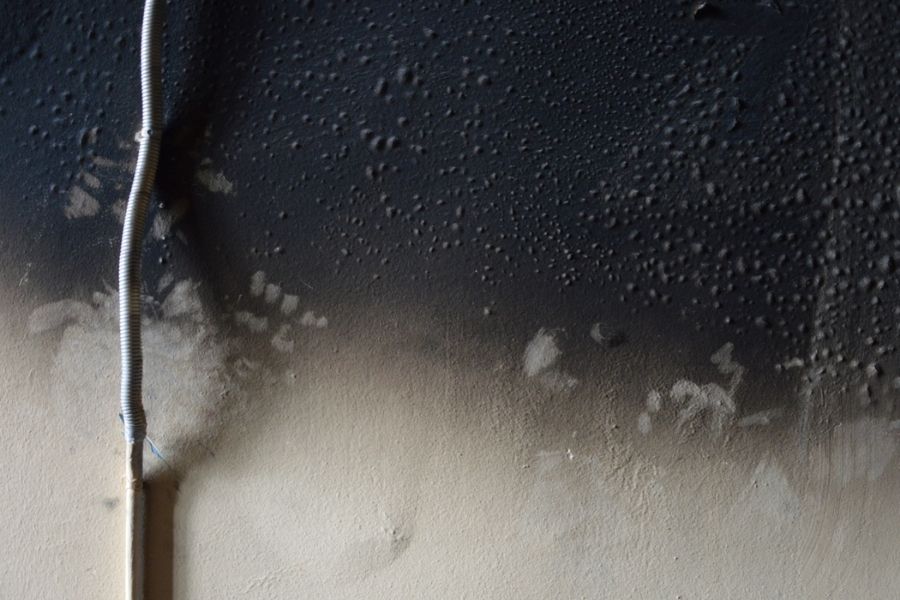
Soot and smoke residue spread far beyond the fire’s origin point. Your policy’s dwelling coverage includes cleanup of affected surfaces throughout the home.
What’s Usually Not Covered
Coverage isn’t unlimited. Here are the situations where fire damage claims are commonly denied or reduced:
- Intentional fires: Any fire set deliberately, including arson by the homeowner, is excluded from coverage.
- Neglect or ignored maintenance: If an insurer determines the fire resulted from a hazard you knew about and didn’t fix, like faulty wiring, they may reduce or deny your payout.
- Vacant homes: Most policies include a vacancy clause. If your home was unoccupied for 30-60 days before the fire, coverage may be limited.
- Business property: Standard homeowners policies have low sub-limits for business equipment. If you work from home, you may need a separate commercial rider.
- Pre-existing damage: Water or mold issues that existed before the fire and are unrelated to firefighting efforts won’t be covered under your fire claim.
If you’re in Vail, Eagle, Grand Junction, or anywhere on Colorado’s Western Slope and you’re unsure about your specific terms, talk to your insurance agent before you need to file.
How to File a Fire Damage Claim
Filing correctly from the start makes a real difference in how fast you get paid and how much you receive. Follow this checklist:

Getting your fire damage claim approved comes down to documentation, timing, and knowing what your policy actually covers.
Don’t begin major repairs before the insurance adjuster has inspected the property. Emergency securing of the home is usually fine, but significant restoration work done before the assessment can complicate your payout.
Working With Your Insurer and a Restoration Company
You can almost always choose your own restoration contractor. Insurance companies maintain preferred vendor lists, but homeowners are generally not required to use them. What you want is a contractor who is IICRC-certified, familiar with the claims process, and willing to communicate directly with your adjuster.
At RemediH2O, we handle that insurance communication on your behalf. Our team uses Xactimate pricing, the industry-standard estimating software most adjusters work with, so estimates are clear and disputes are rare. The IICRC S700 Standard for Fire and Smoke Damage Restoration governs our process, and our certifications mean we follow those protocols on every job.
For homeowners across the Roaring Fork Valley, fast response is critical. Smoke odor and secondary water damage from firefighting efforts can both escalate quickly when left unaddressed. Our full scope includes emergency board-up, soot removal, water extraction, and odor remediation. Read our fire damage restoration case study in Rifle, Colorado to see exactly how we approach a real recovery.
We work directly with your insurance company.
RemediH2O handles insurance communication, Xactimate estimates, and documentation so you can focus on your family. Serving Silt, Aspen, and all of Colorado’s Western Slope around the clock.
Frequently Asked Questions
Does homeowners insurance cover smoke damage if the fire started at a neighbor’s property?
Yes, typically. If smoke from a neighboring fire or nearby wildfire damaged your home, your policy’s dwelling and personal property coverage usually applies. Document everything and contact your insurer promptly.
Does insurance cover water damage caused by firefighters putting out a blaze?
Generally, yes. Water damage from firefighting efforts is treated as a direct consequence of the covered fire event under most standard policies. Document both the fire and water damage before any cleanup begins.
How soon do I need to file a fire damage insurance claim in Colorado?
Most policies require prompt notification, often within 30 to 60 days of the loss. Contact your insurer right away, even while you’re still assessing the damage, to protect your coverage.
Do I have to use the restoration company my insurer recommends?
No. Homeowners can choose their own licensed restoration contractor. Insurance companies may suggest preferred vendors, but you’re not required to use them. An IICRC-certified contractor who handles insurance documentation directly makes the whole process much smoother.