Nobody wants to Google “how much does mold remediation cost” at 11pm after spotting something dark and fuzzy behind the washing machine. But here you are, and we’re glad you found this. Our team at RemediH2O handles professional mold remediation across Colorado’s Western Slope and Roaring Fork Valley, and we’ve worked through every version of this problem, from a small bathroom patch to a crawl space that had been quietly growing things for years. This guide gives you real, honest numbers so you know what to expect before you ever pick up the phone.
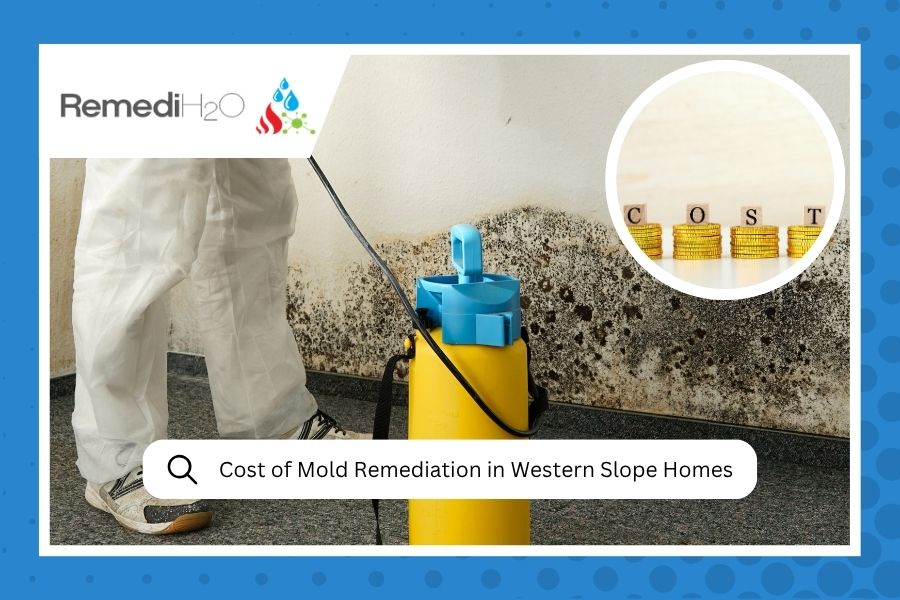
Quick answer: mold remediation in Western Slope homes typically runs between $500 and $6,000 for most residential jobs. The final number depends on how large the affected area is, how severe the contamination is, and how much material has to come out. We’ll break all of that down below.
Not sure what you’re dealing with?
RemediH2O offers free estimates for mold remediation across Silt, Aspen, Glenwood Springs, and surrounding communities. No pressure, just a straight answer about what’s going on and what it’ll take to fix it.
What Affects the Cost of Mold Remediation?
Four main factors drive remediation costs: how much surface area is affected, how severe the contamination is, where the mold is located, and what materials are involved. Understanding these upfront makes any estimate you receive a lot easier to evaluate.
Size of the Affected Area
Most companies price jobs by square footage. A 10-square-foot patch in a bathroom is a very different project from 200 square feet of mold spread across a basement. Larger areas need more labor hours, more containment setup, more disposal bags and debris removal, and longer air scrubber run times to clear the air properly.
According to the EPA’s mold cleanup guidelines, any contaminated area larger than 10 square feet should be handled by a trained professional. Anything bigger carries real risk of cross-contamination without proper containment in place.
Contamination Level and Material Involvement
Surface mold on painted drywall is much easier to address than mold that’s worked into structural framing. Porous materials like drywall, insulation, and carpet with active mold growth can’t be cleaned. They have to come out, adding disposal costs and triggering reconstruction. Non-porous surfaces like concrete or tile can often be cleaned in place, which keeps costs lower.
Location in the Home
Mold in an open, accessible space costs less to remediate than mold inside a wall cavity, above a drop ceiling, or in a crawl space. Confined spaces take more time, more specialized equipment positioning, and often require partial demolition just to reach the problem. The harder it is to access, the more the job costs.
Pricing by Contamination Level and Area Size
Here are typical cost ranges for Western Slope homes in 2026, organized by contamination severity and square footage.
| Contamination Level | Area Size | Typical Cost Range | What’s Included |
|---|---|---|---|
| Level 1 (Minor) | Under 10 sq ft | $500 – $1,500 | Containment, surface treatment, HEPA vacuuming, air scrubbing |
| Level 2 (Moderate) | 10 – 30 sq ft | $1,500 – $3,000 | Full containment, material removal if needed, antimicrobial treatment, air scrubbing |
| Level 3 (Significant) | 30 – 100 sq ft | $3,000 – $5,000 | Drywall/insulation removal, negative air pressure, full containment, antimicrobial treatment |
| Level 4 (Extensive) | Over 100 sq ft | $5,000 – $10,000+ | Large-scale remediation, HVAC assessment, extensive material removal, multi-room containment |
The Mold Clock Is Ticking
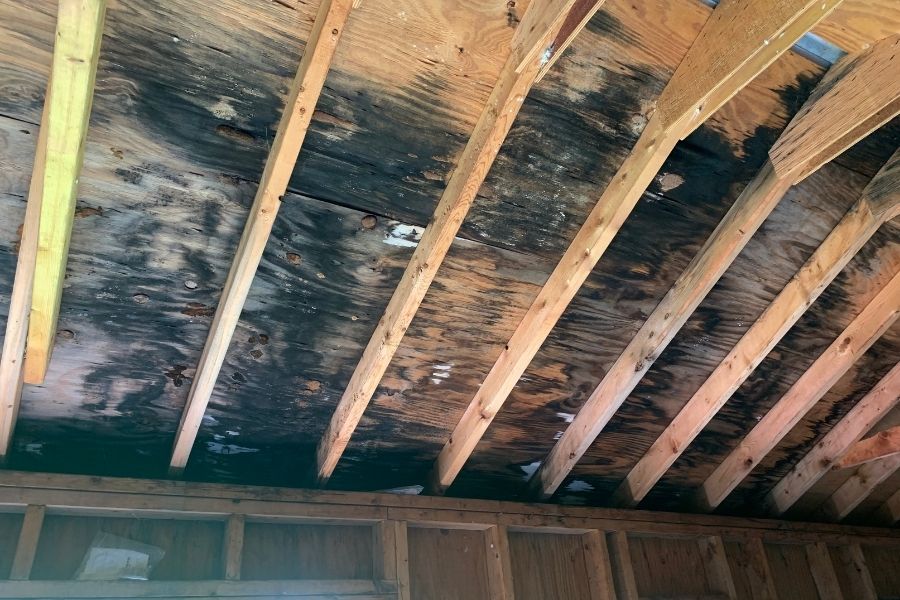
Mold can begin colonizing within 24 to 48 hours of moisture exposure. A Level 1 situation caught early can quietly become a Level 3 over a few weeks as growth spreads behind walls and into structural materials. Getting a professional assessment quickly is the single best thing you can do to keep remediation costs manageable.
These ranges cover the remediation itself, not reconstruction. After mold is removed, walls may need new drywall, insulation, or paint, and that work is handled separately by a general contractor.
Room-by-Room Cost Breakdown
Where mold shows up in your home plays a big role in what it costs to fix. Here’s what our team at RemediH2O sees regularly across the Western Slope.
Bathroom: $500 to $2,500
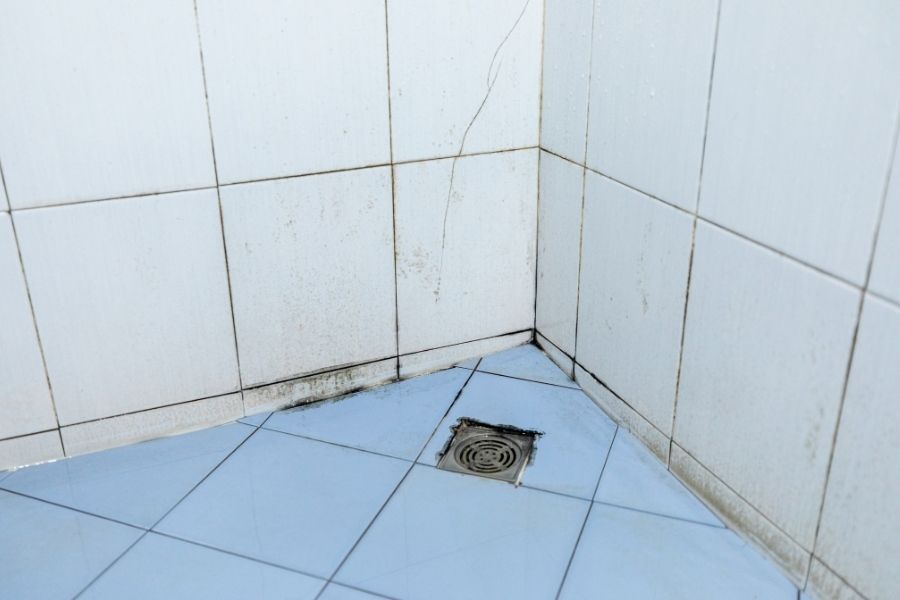
Bathrooms are the most common place for mold and often the least expensive to address. Surface mold on grout or caulk is usually a Level 1 or Level 2 situation. If mold has gotten behind the walls near the shower or under the flooring, costs climb quickly.
Basement: $1,500 to $5,000+
Basements hold moisture, and mold can spread across large surface areas before anyone notices. The problem often starts at the base of foundation walls or behind water heaters and sump pumps, places nobody looks regularly. Finished basements with drywall and carpet cost more because those porous materials usually have to come out entirely. Check out our Carbondale mold case study to see how one Western Slope basement situation played out.
Crawl Space: $2,000 to $6,000
Crawl space mold is typically the most labor-intensive job we do. Confined access means more setup time, and by the time someone finds mold down there, it’s often been growing for months undetected. Vapor barrier deterioration and standing water are common contributing factors in Western Slope crawl spaces. Encapsulation is frequently recommended alongside remediation to seal out moisture and prevent a return visit.
Attic: $1,500 to $4,500
Attic mold usually traces back to poor ventilation or a roof leak. Warm, moist air rises from living spaces below and condenses on the cooler roof sheathing above, creating a perfect environment for mold growth. Sloped ceilings and limited headroom make it a physically demanding workspace, which adds labor time. If mold has reached the roof sheathing itself, a portion of that material may need to come out before treatment can begin.
Why Western Slope Homes Cost What They Do
Mold remediation in the Roaring Fork Valley and across Colorado’s Western Slope has a few regional cost factors worth knowing about before you get an estimate.
Spring snowmelt is a big one. Homes in Aspen, Carbondale, and Basalt regularly deal with ground saturation pushing moisture into crawl spaces and basements. That seasonal freeze-and-thaw cycle creates ideal mold conditions, and it repeats every year. Our blog on avoiding water damage in mountain homes covers how to get ahead of this before it turns into a mold problem.
Older construction matters too. Many homes in Silt, Rifle, and Glenwood Springs predate modern moisture barriers and vapor controls. Mold spreads more aggressively in older homes because it has more unprotected porous materials to work through. Travel time across a spread-out service area is also a real cost factor. Because RemediH2O is locally based, we keep mobilization costs as reasonable as possible for our neighbors across the region.
Ready to find out exactly what you’re dealing with?
Our IICRC-certified team serves the entire Western Slope and Roaring Fork Valley. We’ll assess the situation and give you a clear estimate with no surprises.
Does Insurance Cover Mold Remediation?
The short answer: it depends on what caused the mold. Most homeowner’s insurance policies cover mold remediation when it results from a covered event like a burst pipe or appliance leak. Mold that developed slowly from a neglected drip, a long-term ventilation problem, or gradual moisture buildup is usually excluded from coverage.
If your mold is connected to water damage, check whether that water event was covered under your policy. Our post on mold remediation insurance coverage on Colorado’s Western Slope walks through this in detail. RemediH2O works directly with insurance companies and helps document the damage and remediation process to support your claim.
What to Do If You Find Mold
- Don’t disturb large mold colonies. Agitating mold releases spores into the air and can spread contamination to other areas of the home.
- Fix any active water source first. Mold returns if the moisture isn’t resolved.
- Document everything with photos before cleanup begins, especially if filing a claim.
- Avoid running fans or your HVAC in the affected area. It spreads spores throughout the home.
- Call a certified remediation company for an assessment. RemediH2O offers free estimates.
Frequently Asked Questions About Mold Remediation Costs
How much does mold remediation cost in Colorado’s Western Slope in 2026?
Most residential jobs range from $500 to $6,000 depending on affected area size, contamination severity, and location in the home. Small bathroom jobs fall on the lower end; crawl space or large basement remediation typically runs higher.
Does the type of mold affect how much remediation costs?
The type of mold matters less than the size and location of contamination. Black mold doesn’t cost more to remove per se, but it’s usually found alongside long-term moisture problems, which means more damage. Our post on what black mold is and how it forms has more.
Can I get a mold remediation estimate without mold testing?
Yes. A visual inspection by a certified professional can assess the contamination and produce an estimate. In Colorado, air quality testing requires a licensed industrial hygienist. RemediH2O provides visual assessments and estimates without air quality testing.
How long does mold remediation take in a typical Western Slope home?
A small Level 1 job might be done in a single day. Level 2 or Level 3 work typically takes 2 to 5 days including setup, remediation, and air scrubber run time. Crawl space jobs or large-scale remediation may take a full week or longer.