
Spring on the Western Slope is something. The Colorado River fills back up, the hills go green, and that stubborn snowpack finally quits. For homeowners in the Rifle area, though, warmer weather brings something less welcome: basement flooding season. Heavy spring rain hits ground that’s still frozen or saturated from snowmelt, and water has to go somewhere. Our team at RemediH2O responds to water damage restoration calls across the Western Slope year-round, and spring is consistently our busiest stretch. This guide breaks down why basements flood, what to watch for, and how to get ahead of it.
Water in your basement already?
Fast action limits damage and keeps costs manageable. We’re available 24/7 across Rifle, Silt, and the surrounding area.
Why Do Rifle Area Basements Flood in Spring?
The root issue is simple: frozen or saturated ground can’t absorb water fast enough. Rainfall runs sideways instead of soaking in and heads straight for your foundation wall. A few conditions specific to the Western Slope make this worse than you’d expect:
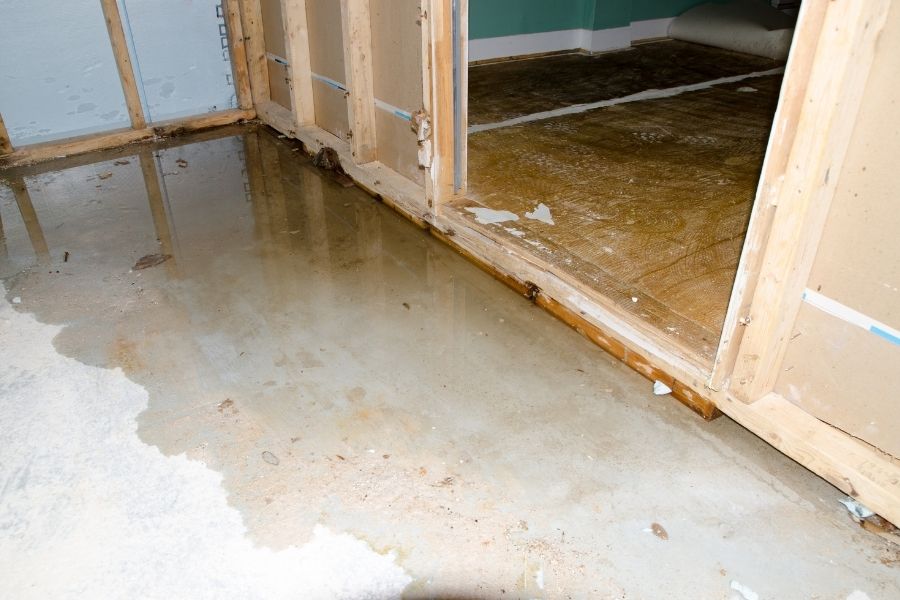
The Colorado River runs right through Rifle and the Grand Valley, and it surges sharply during peak snowmelt. Layer a few days of heavy rain on top of already-high water tables and you have the conditions for flooding, even in homes that have never had a basement issue before.
Warning Signs Your Basement Is Sending You
Basement flooding rarely happens all at once. It sneaks in, and by the time it’s obvious, moisture has spread well beyond what’s visible. Catching early signs makes a real difference in how much damage you’re dealing with.
Early Warning Signs (Before It Rains)
- White, chalky mineral deposits on concrete walls, called efflorescence, meaning water has been seeping through
- A musty smell that intensifies in spring without any visible moisture
- Hairline cracks along foundation walls or at the floor-to-wall joint
- Paint bubbling, peeling, or flaking off concrete or block walls
- Rust stains at the base of metal shelving or appliances
Signs You Already Have a Problem
- Standing water or wet spots on the floor after rain, even minor amounts
- Sump pump cycling constantly or running non-stop during storms
- Water staining on drywall along the basement perimeter
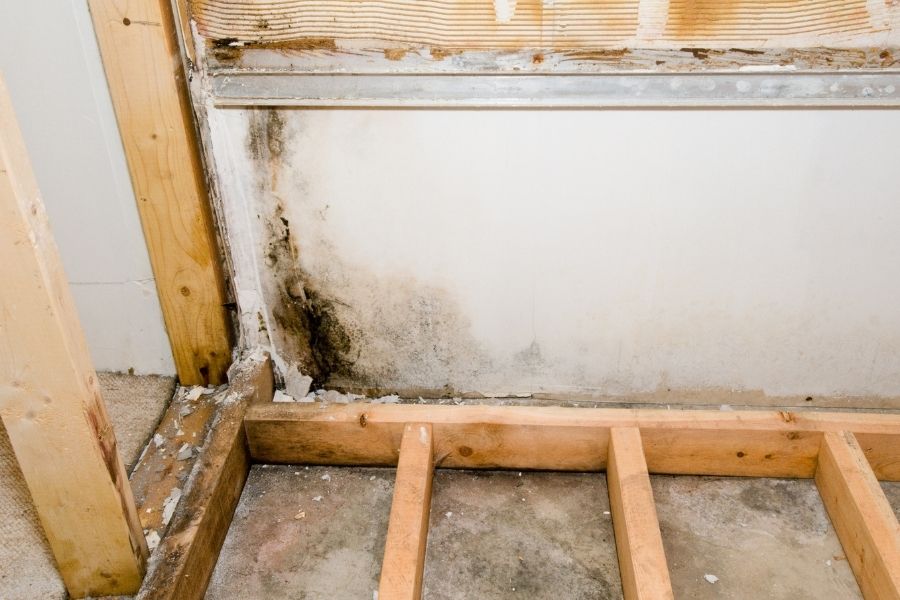
- Visible mold on walls, wood framing, or stored boxes
That musty smell alone is worth taking seriously. According to the EPA’s guide on mold and moisture, mold can begin colonizing within 24 to 48 hours of a moisture event. Repeated low-level seepage is enough to create a mold problem over time, even without a dramatic flood event.
Spring Basement Prep Checklist for Rifle Area Homeowners
Most of these tasks take an afternoon and don’t require a contractor. Think of it as a spring walkthrough before the rain season hits its stride. Small fixes now prevent large repair bills later.
| Task | When to Do It |
|---|---|
| Clean gutters and clear all downspouts | Before first spring rains |
| Extend downspouts at least 6 feet from the foundation | Early spring |
| Walk the yard perimeter and verify slope drains away from the house | Once snow has cleared |
| Test your sump pump by pouring water into the pit and confirming it activates | Before storm season |
| Inspect foundation walls for new cracks, staining, or mineral deposits | Monthly through spring |
| Move stored items off the floor onto shelves as a precaution | Before rain season |
Clogged gutters and short downspouts are responsible for more basement flooding than most homeowners realize. A clogged gutter dumps water against the foundation. A short extension lets it pool exactly where you don’t want it. Our post on preventing home water damage this spring and summer goes deeper on several of these areas.
When Is It Time to Call a Professional?
Some basement moisture situations are manageable on your own. Light condensation on pipes, a small seep near a window well after an unusually heavy storm, a damp smell that clears when you open windows. But there are situations where waiting costs you more than calling early.
Call Right Away If You Notice Any of These
- More than an inch of standing water anywhere in the basement
- Water coming through the floor, not just walls (hydrostatic pressure issue)
- Sump pump failed during a storm and the pit is full
- Visible mold on drywall, framing, or stored belongings
- A finished basement is involved, since drywall and flooring absorb water fast
Once water gets into finished walls or under flooring, it spreads far beyond the visible surface. Store-bought fans and dehumidifiers can’t dry structural materials. Professional equipment runs at a much higher level and uses moisture meters to confirm drying is actually complete. Incomplete drying is one of the most common reasons mold shows up weeks after an apparent cleanup.
Our team at RemediH2O is IICRC-certified and based in Silt, serving Rifle and the full Western Slope corridor. We work directly with insurance companies, which takes one major headache off your plate. If water has gotten in, our post on what to do first after your home floods walks through the first steps. Our breakdown of what water damage restoration covers in Colorado answers the most common insurance questions. And if mold is part of the picture, our professional mold remediation services handle full assessment and remediation so the problem doesn’t linger.
24/7 Emergency Response Across the Western Slope
RemediH2O serves Rifle, Silt, Glenwood Springs, Carbondale, and surrounding communities. Locally owned, IICRC-certified, and ready to respond when you need us. Learn more about our disaster restoration coverage in Rifle, CO.
Frequently Asked Questions
How much rain does it take to flood a basement in the Rifle area?
More than you’d think. When spring ground is already saturated from snowmelt, half an inch of rain over a few hours can push water against your foundation. Clay-heavy soil and poor yard grading make it worse faster than most homeowners expect.
Is spring basement flooding covered by homeowners insurance?
It depends on the cause. Sudden intrusion from a pipe burst or sump pump failure is often covered. Flooding from groundwater or surface runoff typically requires separate flood insurance. RemediH2O works directly with insurance companies and can help guide you through the claims process.
Can I dry out a flooded basement with fans and a dehumidifier?
Not after significant water intrusion. Consumer equipment helps with surface moisture but can’t dry wet drywall, insulation, or subfloor. Professional drying equipment is far more powerful and uses moisture meters to confirm actual completion, not just surface dryness.
How fast does mold grow after basement flooding?
Mold can begin colonizing within 24 to 48 hours on drywall, framing, and insulation. Spring temperatures in the Rifle area are mild enough to support fast growth. Quick extraction and professional drying are the best defense against mold becoming a second problem after water damage.