Mold can grow even in a dry summer climate. At RemediH2O, our IICRC-certified team handles professional mold remediation across Colorado’s Western Slope, and we get this call all summer long. Dry air outside does not mean dry conditions inside. Coolers, small leaks, and everyday living give mold the moisture it needs.
Here is the short version. Mold needs three things: spores, food, and water. Spores float in every home, and your drywall, wood, and dust are the food.
The only piece you actually control is the water. Keep moisture low and you keep mold out. Simple in theory, easy to miss in practice.
Why Mold Grows When the Air Feels So Dry
Mold grows in dry climates because indoor humidity behaves very differently than the air outside. Western Slope summers feel parched. Yet the inside of a home can hold pockets of damp air that never dry out. Mold only cares about those pockets.
Think about a cool, dark corner of a basement in July. The desert heat never reaches it. Add a slow drip from a supply line and you have a tiny humid world. That is all mold needs to settle in.
Our region adds two twists. Many homes here cool with swamp coolers, which add water to the air on purpose. And late-summer monsoon storms can spike humidity for days. Both catch homeowners off guard.
We see the pattern most years. The first call comes in August, when a homeowner notices a musty smell after weeks of running the cooler nonstop. Nine times out of ten, the air was simply too damp and too still. The fix is rarely dramatic, and it comes down to catching the moisture before it settles in.
Where the Summer Moisture Hides
The moisture that feeds summer mold almost always comes from inside the home, not the weather. Spotting these sources early is the whole game. Here are the ones we find most often on jobs from Grand Junction to Glenwood Springs.
- Evaporative (swamp) coolers: They cool by adding humidity. Run one too hard with the windows shut and indoor moisture climbs fast.
- AC condensation lines: A clogged drain line lets water back up and pool, often inside a wall or under a unit.
- Slow plumbing leaks: A weeping valve under a sink or behind a toilet drips quietly for weeks.
- Bathrooms and laundry rooms: Hot showers and washers dump steam and water vapor into small, closed spaces.
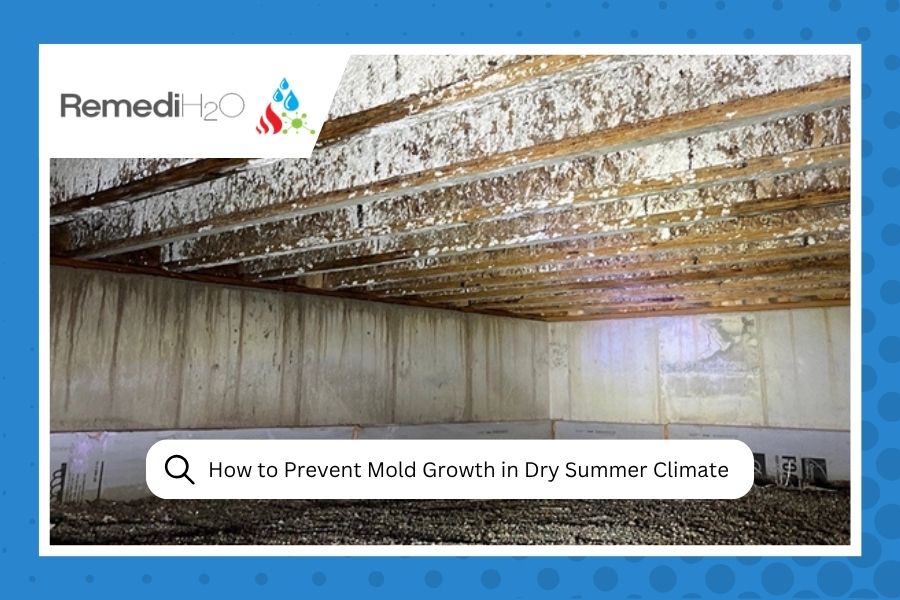
- Crawl spaces and basements: Cool surfaces meet warm air and cause condensation, even in August.
None of these need a flood to cause trouble. Steady, low-level dampness is enough. That is why mold can surprise people who have never had a single drop of standing water.
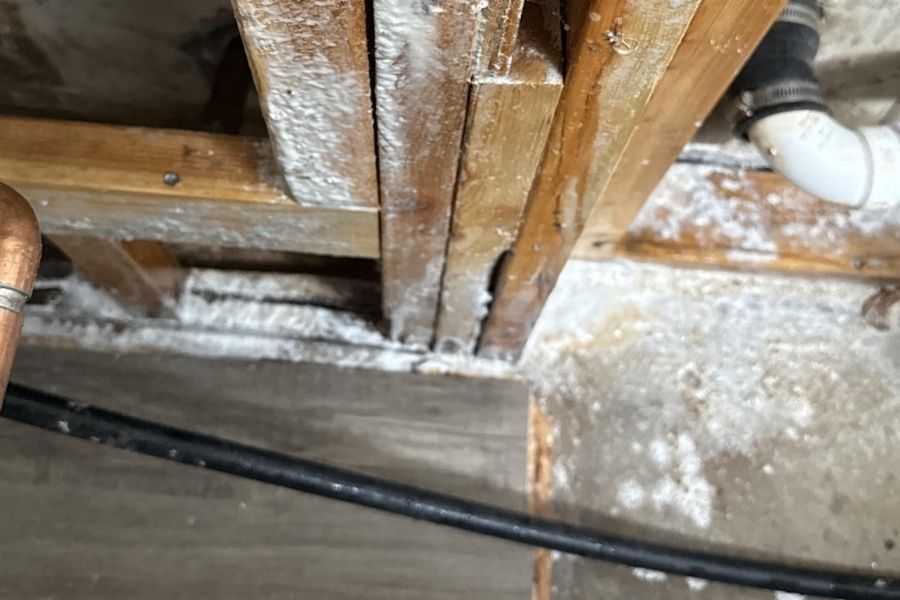
See a fuzzy patch or smell something musty?
Our certified team responds 24/7 across the Western Slope and Roaring Fork Valley.
How to Prevent Mold Growth in a Dry Summer Climate
Preventing mold in summer comes down to keeping indoor humidity low and fixing small leaks fast. You do not need fancy gear. You need a routine. Work through this checklist and you will shut down most of the conditions mold loves.
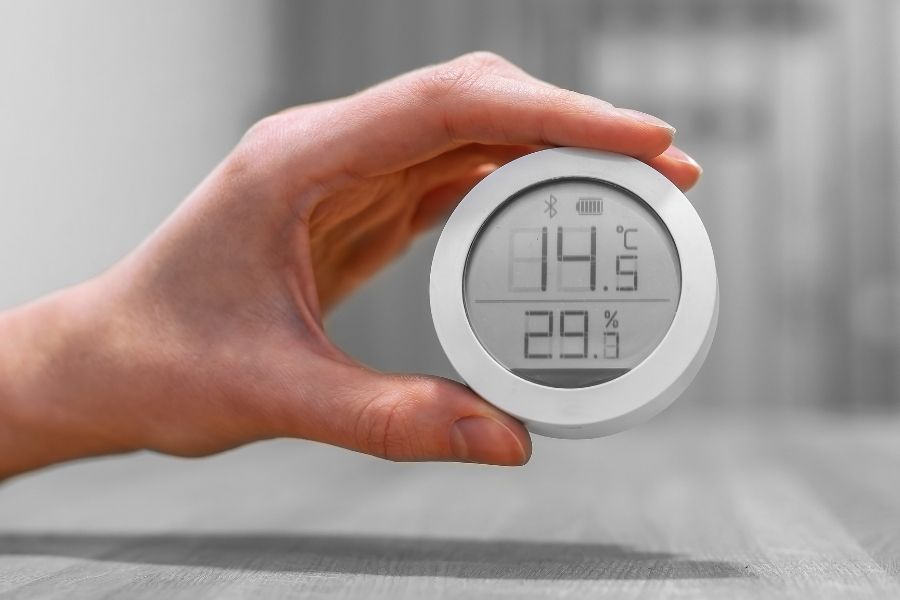
- Watch your indoor humidity. A cheap hygrometer tells you the number. Aim to stay under 50%.
- Use your swamp cooler wisely. Crack a few windows so damp air can escape. Do not run it all day in a sealed house.
- Clear AC drain lines. Pour a little vinegar through the line each month and check for pooling water.
- Run exhaust fans. Turn them on during showers and cooking, then leave them going for a few minutes after.
- Fix small leaks the day you spot them. A dollar washer now beats a wall full of mold later.
- Dry wet spots within 24 hours. That is the window before spores take hold.
If a leak or spill ever soaks in deeper than a quick mop can reach, do not wait it out. Fast water damage restoration is the single best way to stop mold before it starts. For a wider seasonal game plan, our guide on how to prevent mold growth as temperatures rise pairs nicely with this one.
Indoor Humidity at a Glance
The EPA recommends keeping indoor humidity below 60%, and ideally between 30% and 50%. Here is a quick read on what your hygrometer is telling you.
| Indoor Humidity | What It Means | Mold Risk |
|---|---|---|
| Under 50% | Healthy, comfortable range | Low |
| 50% to 60% | Watch zone, ventilate more | Moderate |
| Over 60% | Mold-friendly, act now | High |
Handle It Yourself or Call a Pro?
Small surface mold on a hard surface is often a do-it-yourself job. Bigger growth, or mold tied to a leak, needs a trained team. The size and source decide it, not how brave you feel that day.
When DIY Is Fine
- A spot smaller than a sheet of paper
- Hard surfaces like tile or sealed wood
- No musty smell lingering in the room
When to Call RemediH2O
- Mold on drywall, carpet, or insulation
- A musty smell you cannot find the source of
- Growth that keeps coming back after cleaning
Hidden mold is the tricky part. It hides behind walls and under floors, exactly where porous materials soak up moisture. If you are not sure how far it spreads, that uncertainty is your sign to call. You can reach our team any time and we will take a look.
One honest note. Scrubbing bleach over a stain may hide the color, but it does not solve a moisture problem underneath. If the source is still wet, the mold comes right back. That is the difference between a quick cleanup and real remediation, and it is why we follow the IICRC S520 mold standard and always trace the water first.
We serve homes and businesses from Silt and Rifle out to Aspen, Carbondale, and the wider Roaring Fork Valley. Want to see what a real cleanup looks like? Read how we handled hidden mold in a Carbondale home, or learn more about black mold and how it forms.
FAQs
Can mold really grow in a dry climate like the Western Slope?
Yes. Outdoor air being dry does not control indoor humidity. Swamp coolers, leaks, and poor airflow create damp pockets inside, and that is all mold needs to grow.
What indoor humidity level stops mold?
Keep it under 50% and you are in good shape. The EPA advises staying below 60% at all times. A small hygrometer makes the number easy to track.
Does a swamp cooler cause mold?
It can if you run it in a closed house. Evaporative coolers add moisture to the air on purpose, so crack a few windows to let the damp air move out.
How fast do I need to dry a wet spot?
Within 24 hours. After that, spores start to settle and grow. Drying quickly is the most reliable way to keep a small leak from becoming a mold problem.