A musty smell in a quiet Aspen home is rarely just a musty smell. For this homeowner, it was the first clue that something bigger was hiding out of sight. When they reached out, our crew arrived to find a roof leak that had been quietly feeding moisture into the house for a while. That slow drip did what slow drips do, and it turned into a full mold remediation job.
Where the Water Went, the Mold Followed
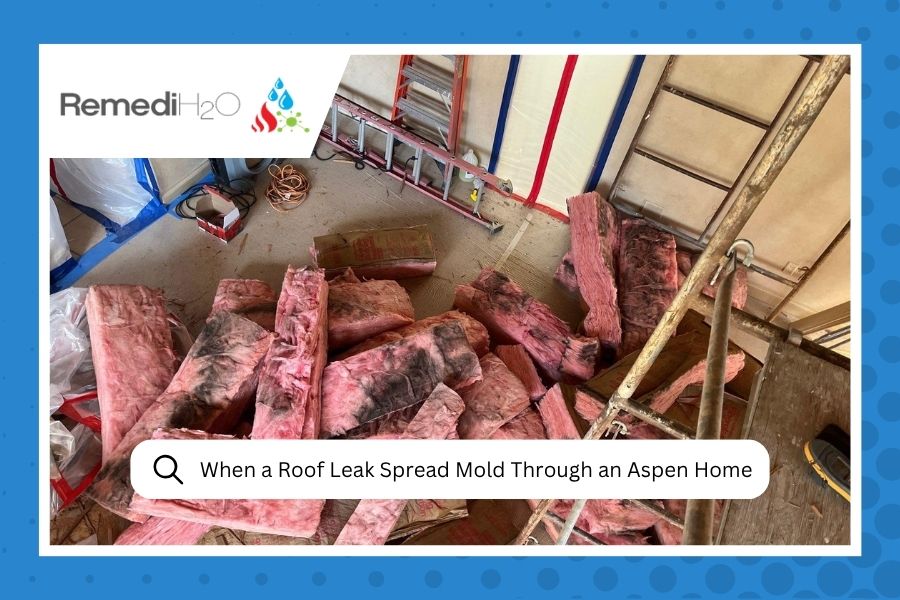
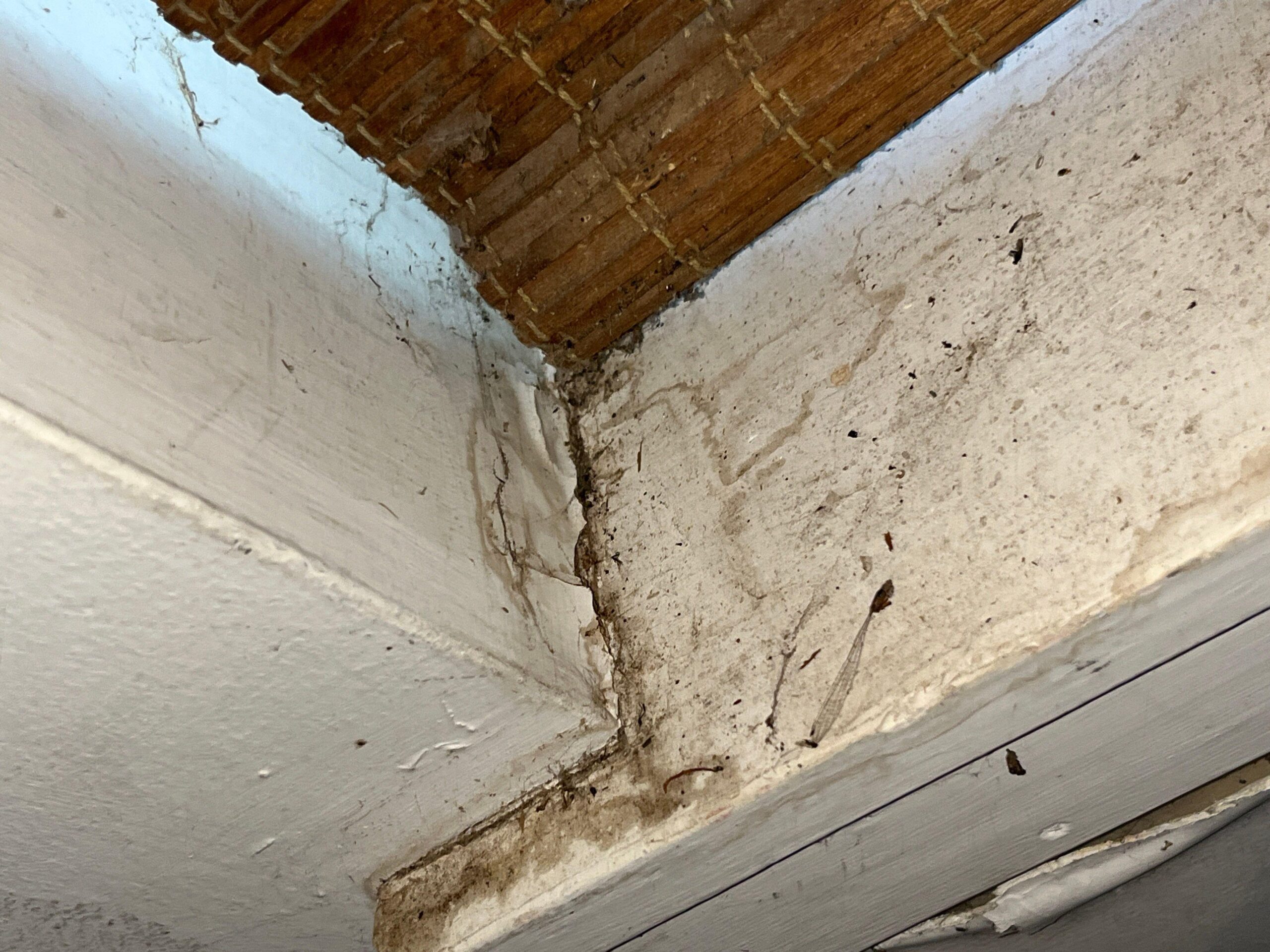
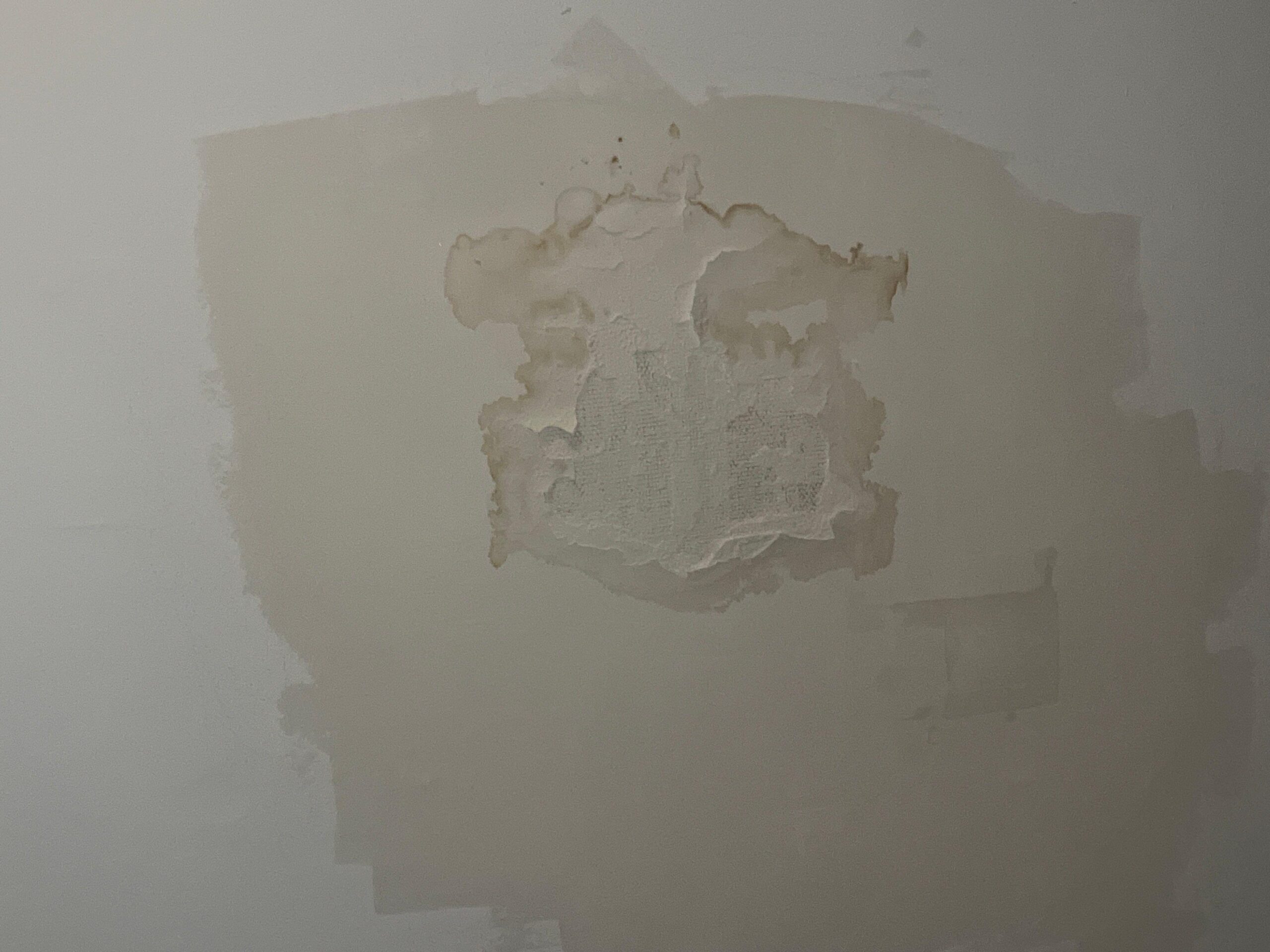
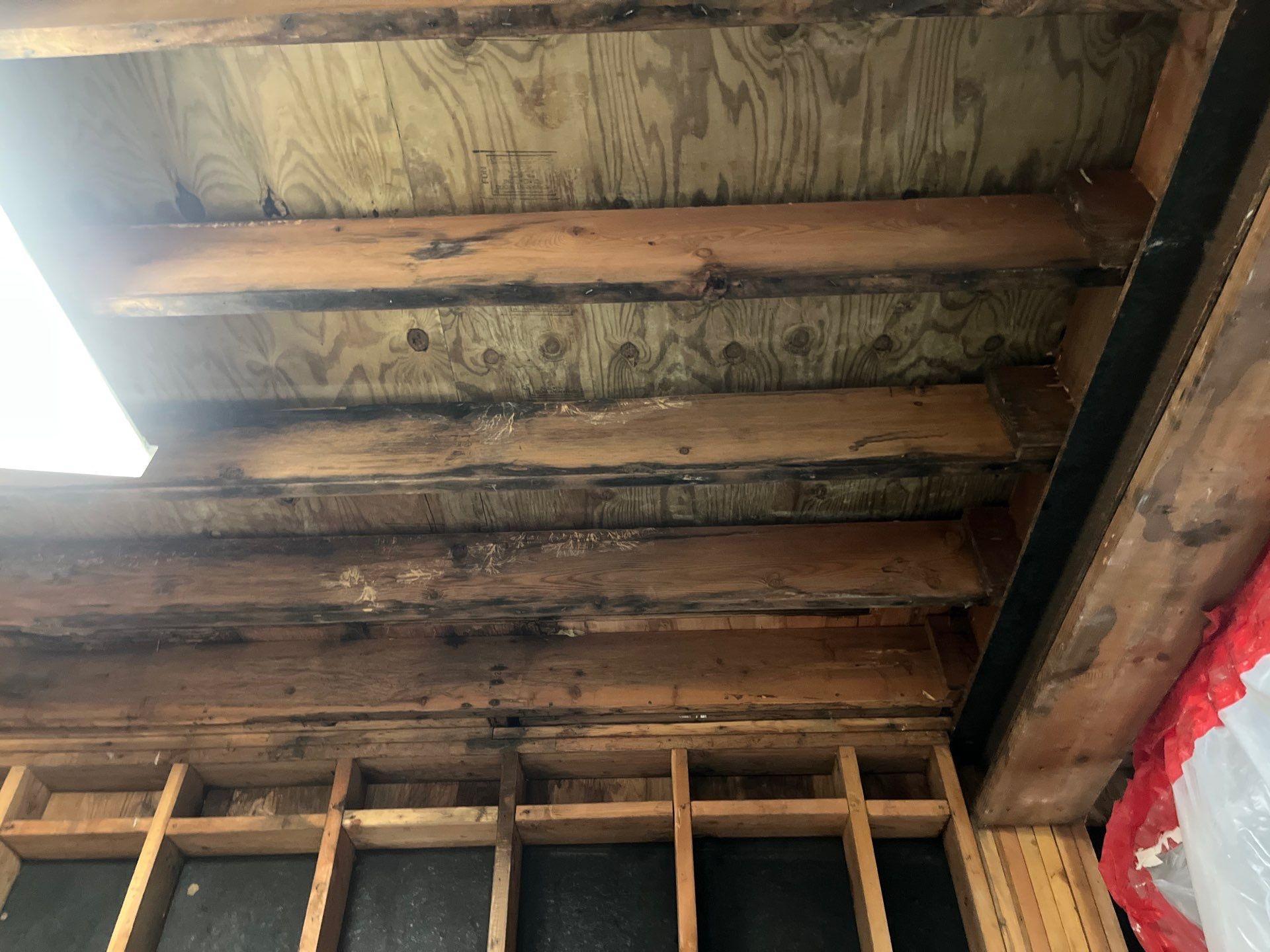
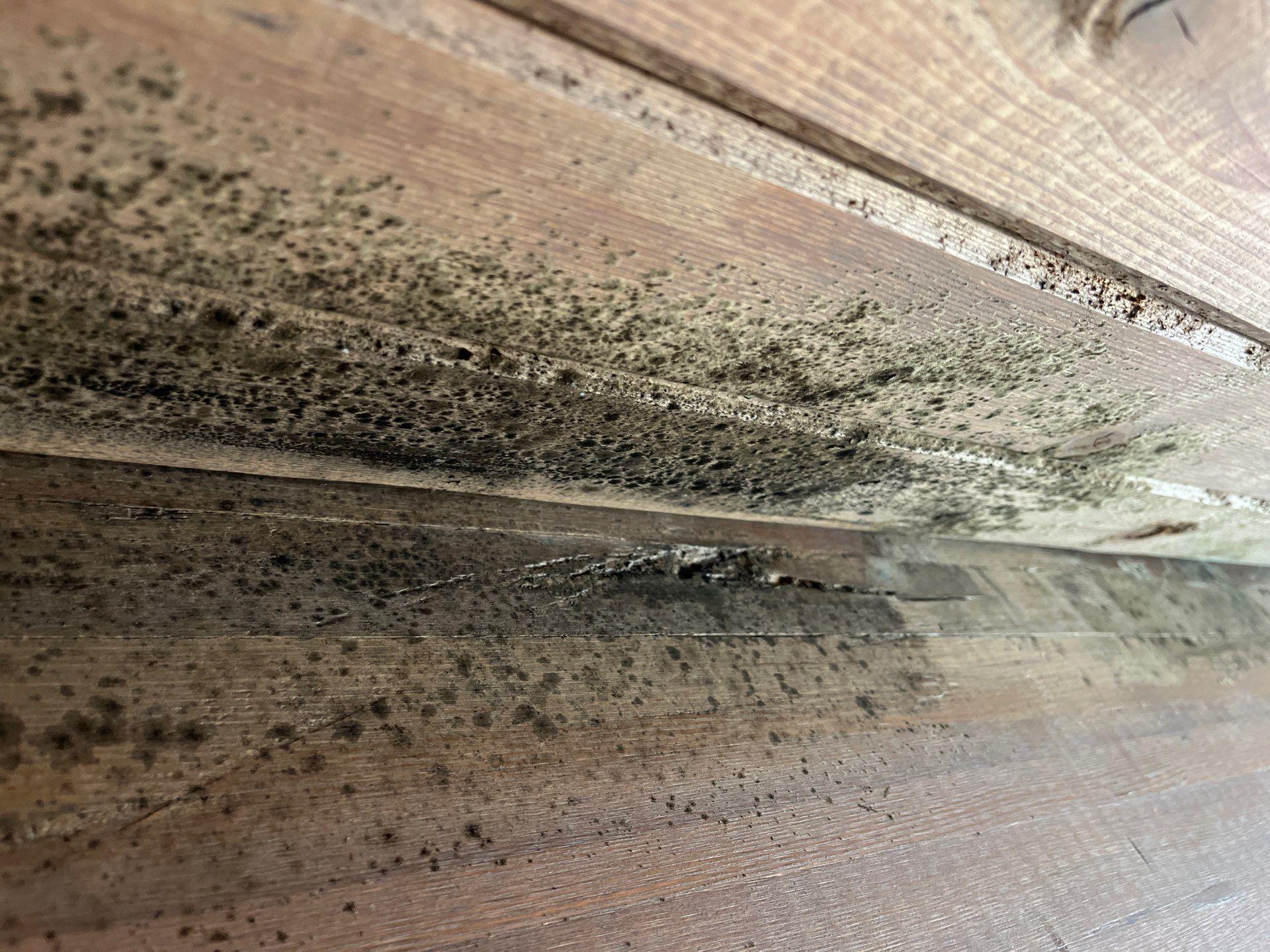
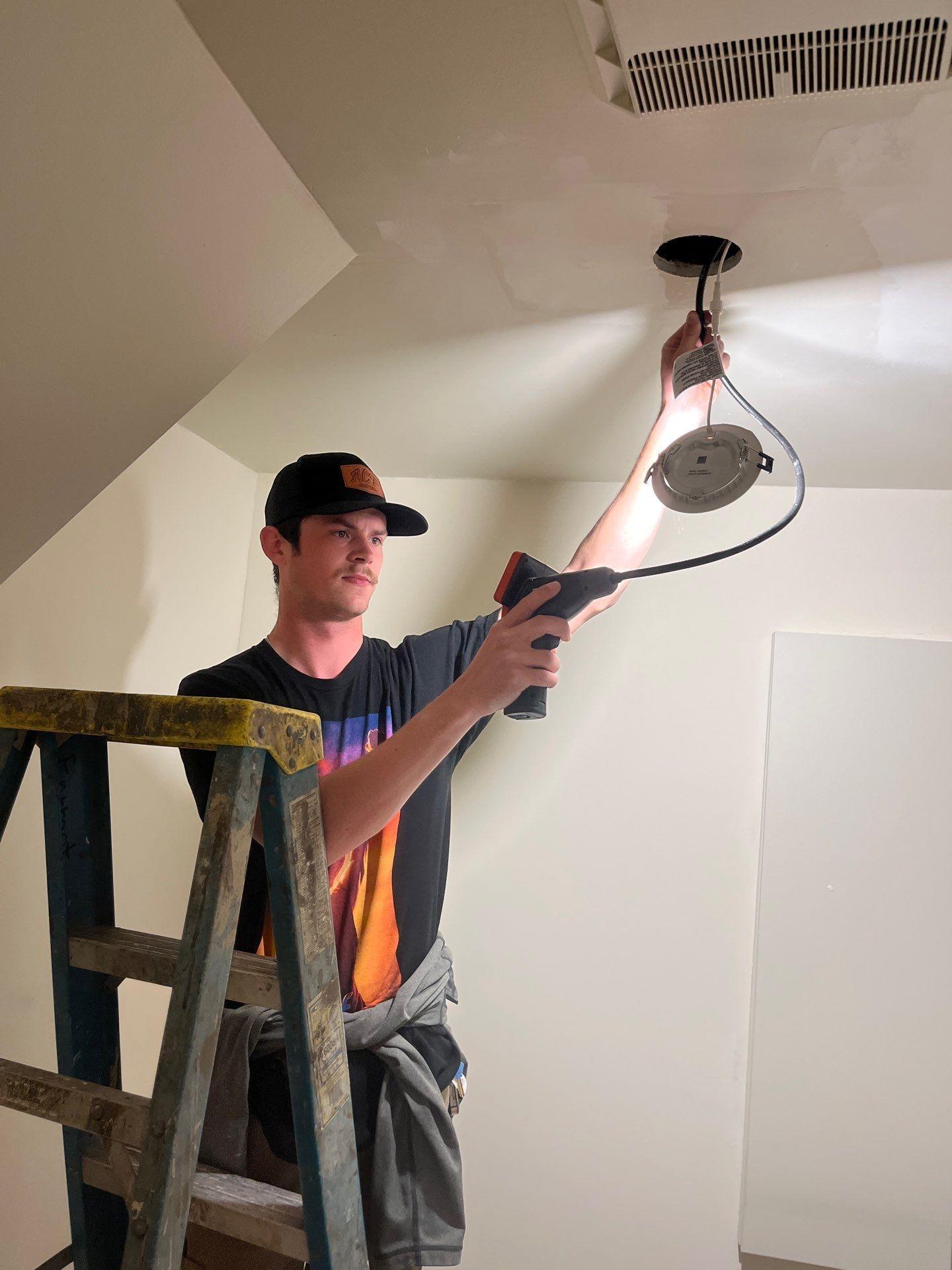
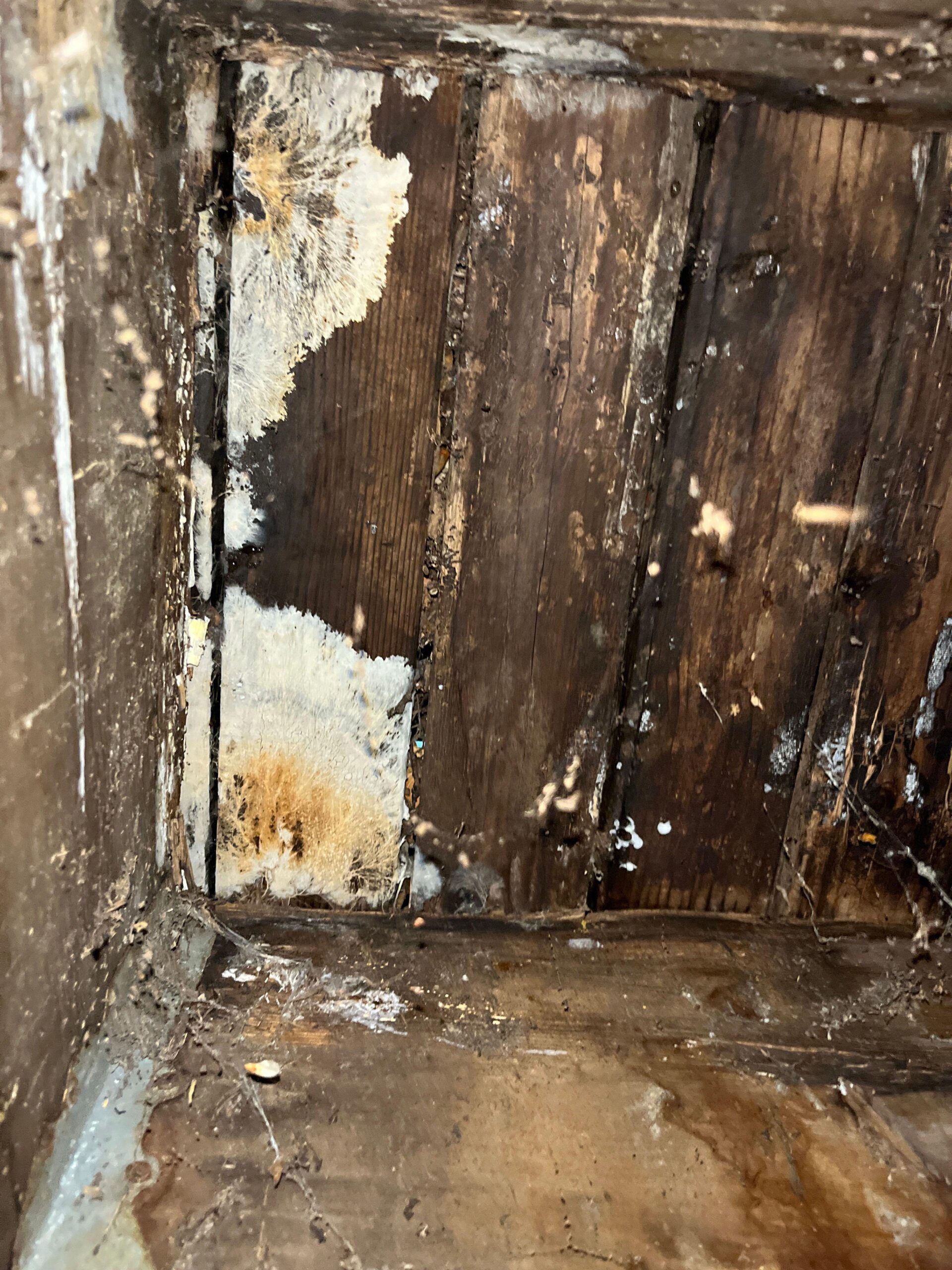
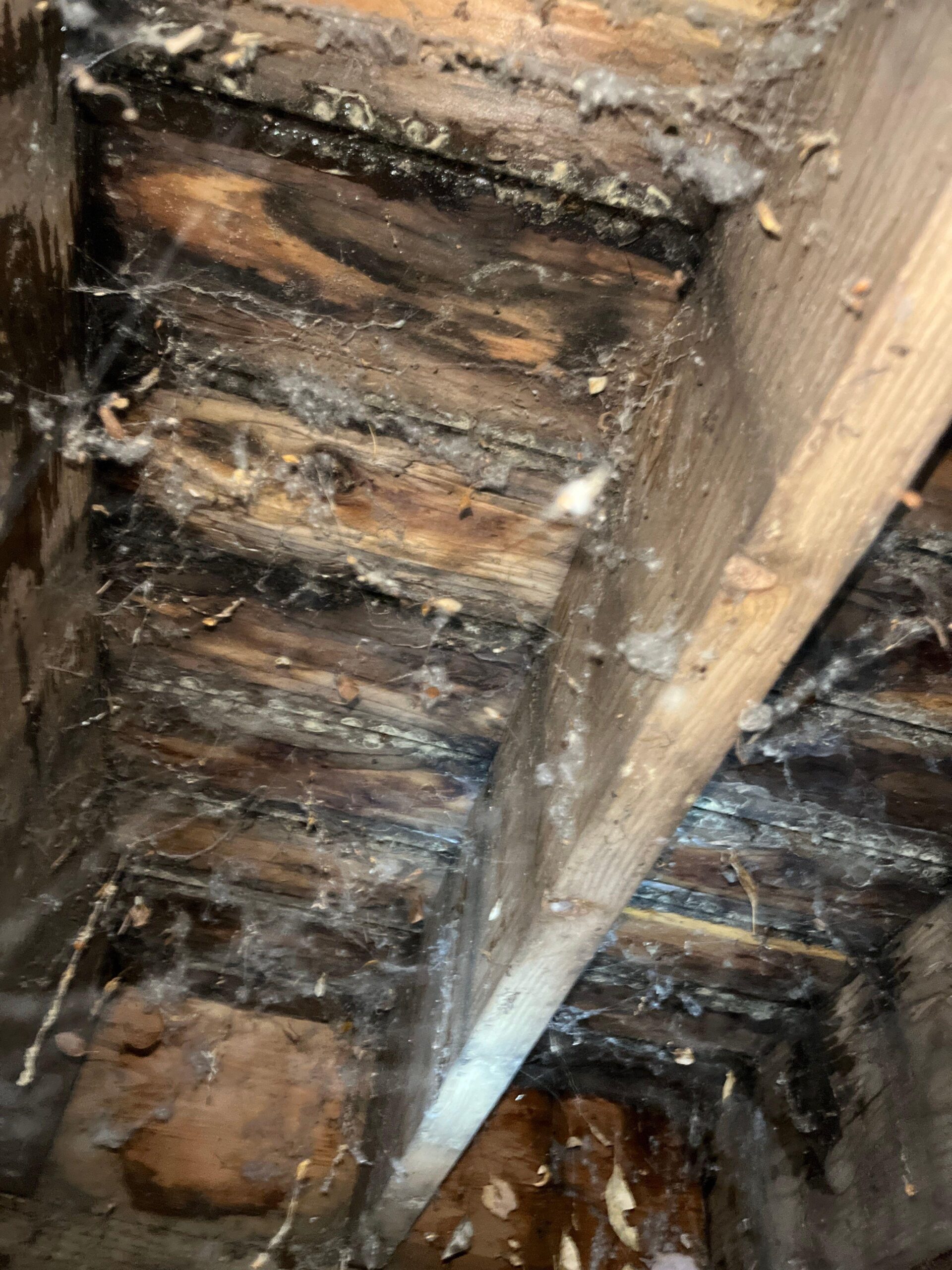
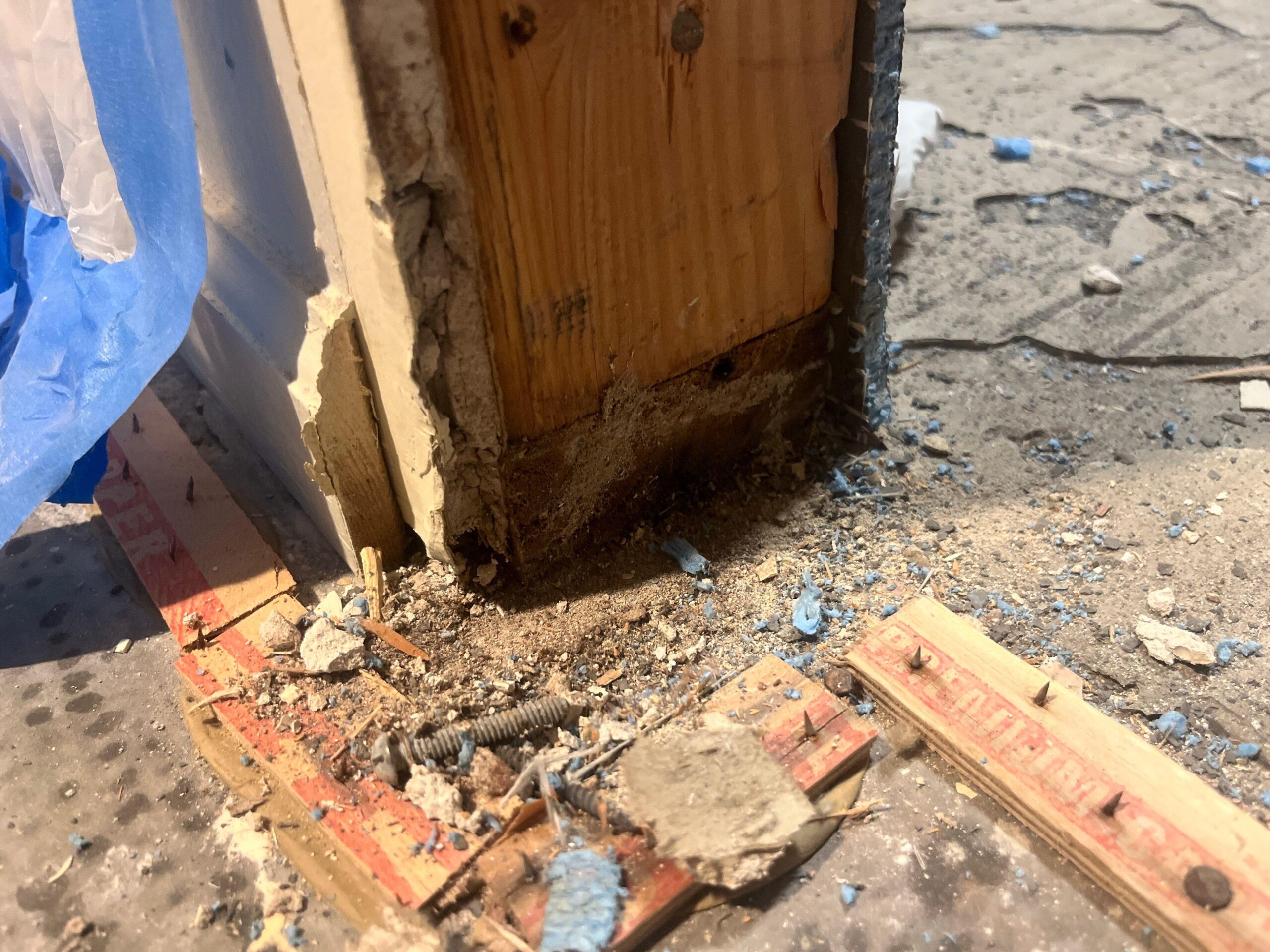
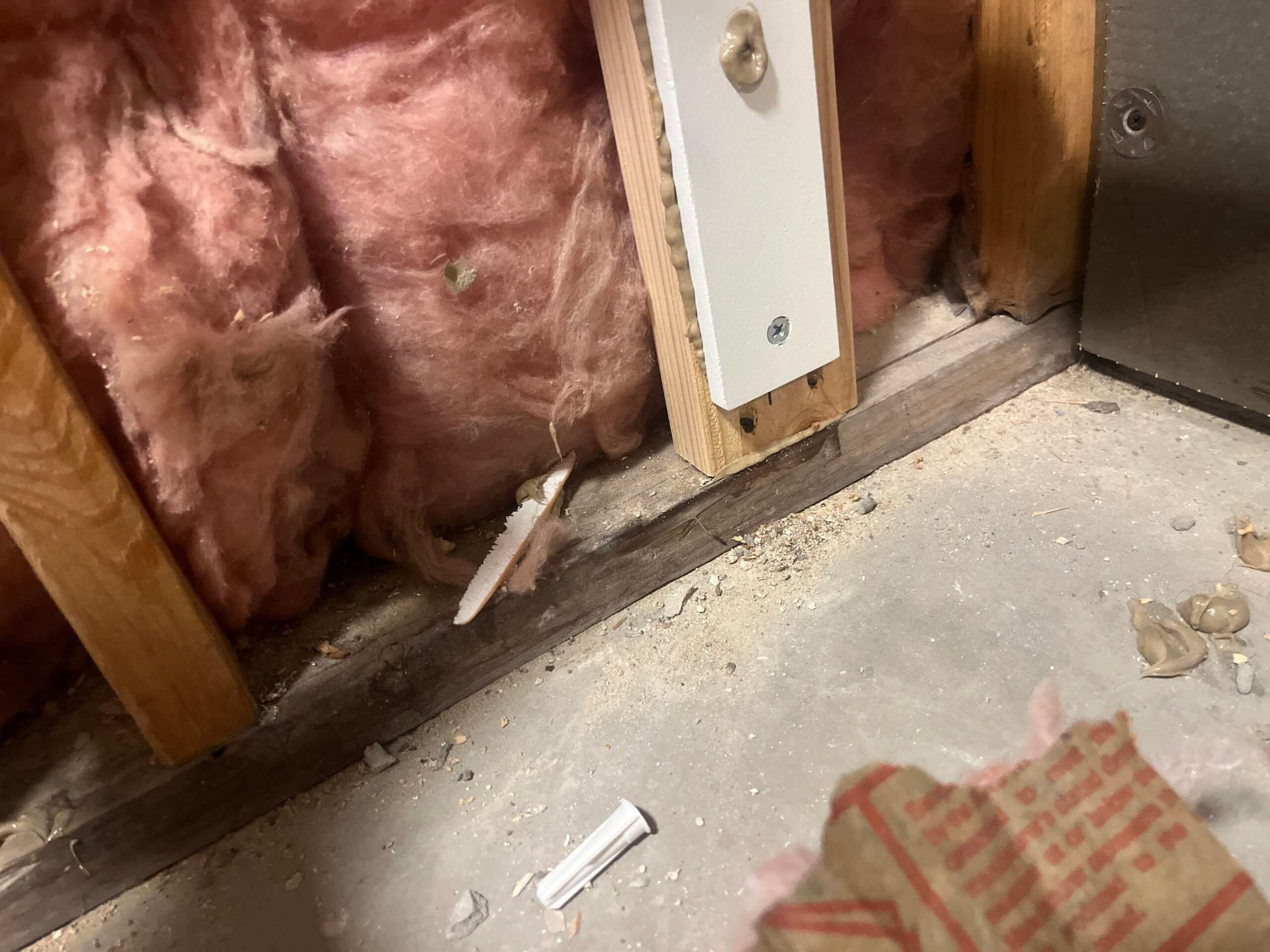
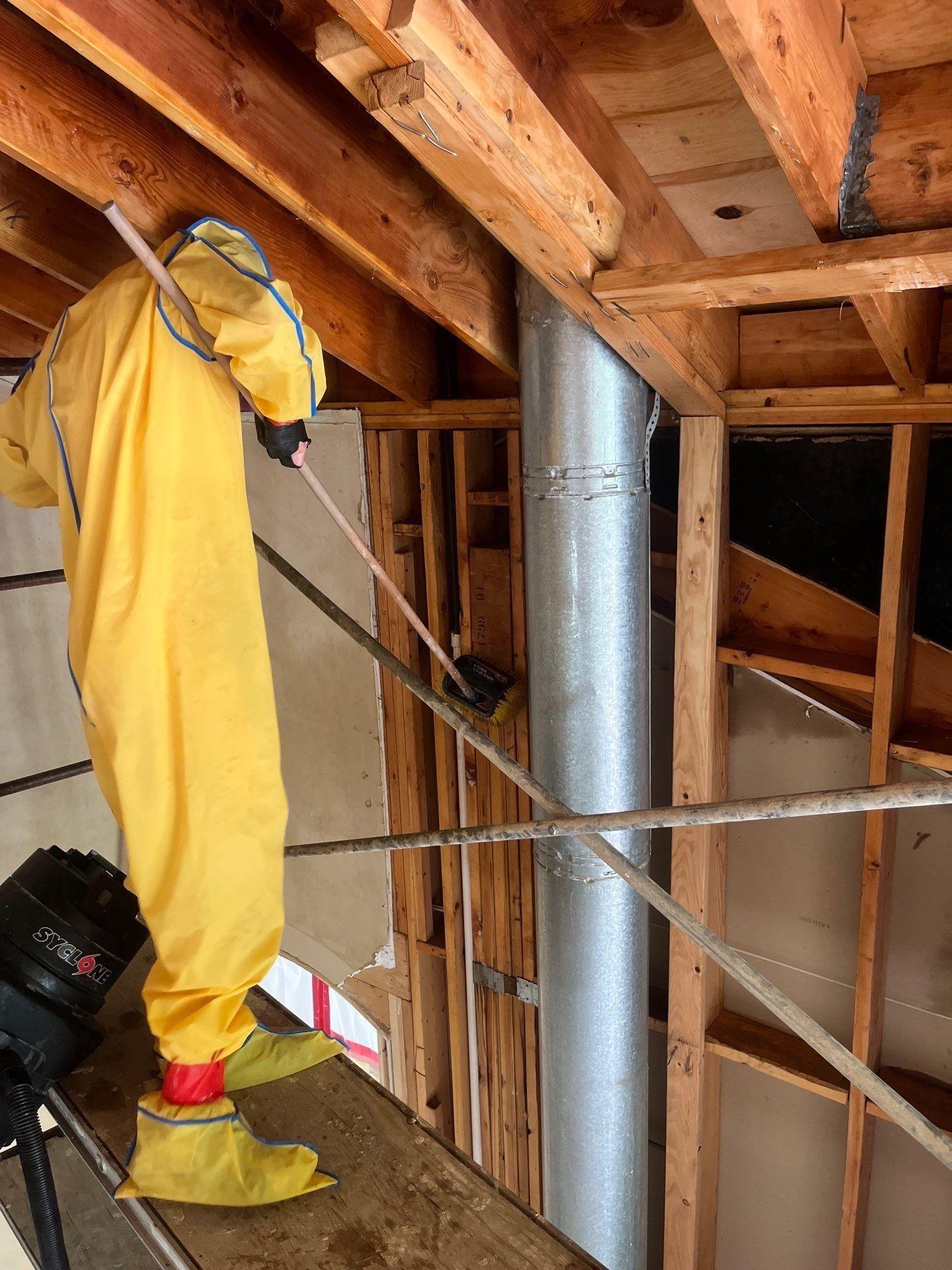
Roof leaks are sneaky. This one had traveled far past the roofline, soaking the second level, sliding down the stairway ceiling, and reaching two main-level bedrooms and the garage. By the time we opened things up, microbial growth had spread across the wood framing and insulation.
What looked like one small stain upstairs had quietly become a whole-house problem. Stopping mold for good also means handling the water that fed it, so our water damage restoration work ran right alongside the remediation.
 |  |  |
 |  |  |
What Does Mold Remediation Actually Involve?
Mold remediation is a lot more than wiping a surface clean. It means sealing off the area, pulling out what cannot be saved, cleaning the air and the structure, and treating everything that stays. Done right, it stops the growth at the root instead of hiding it. Here is how that played out in this Aspen home.
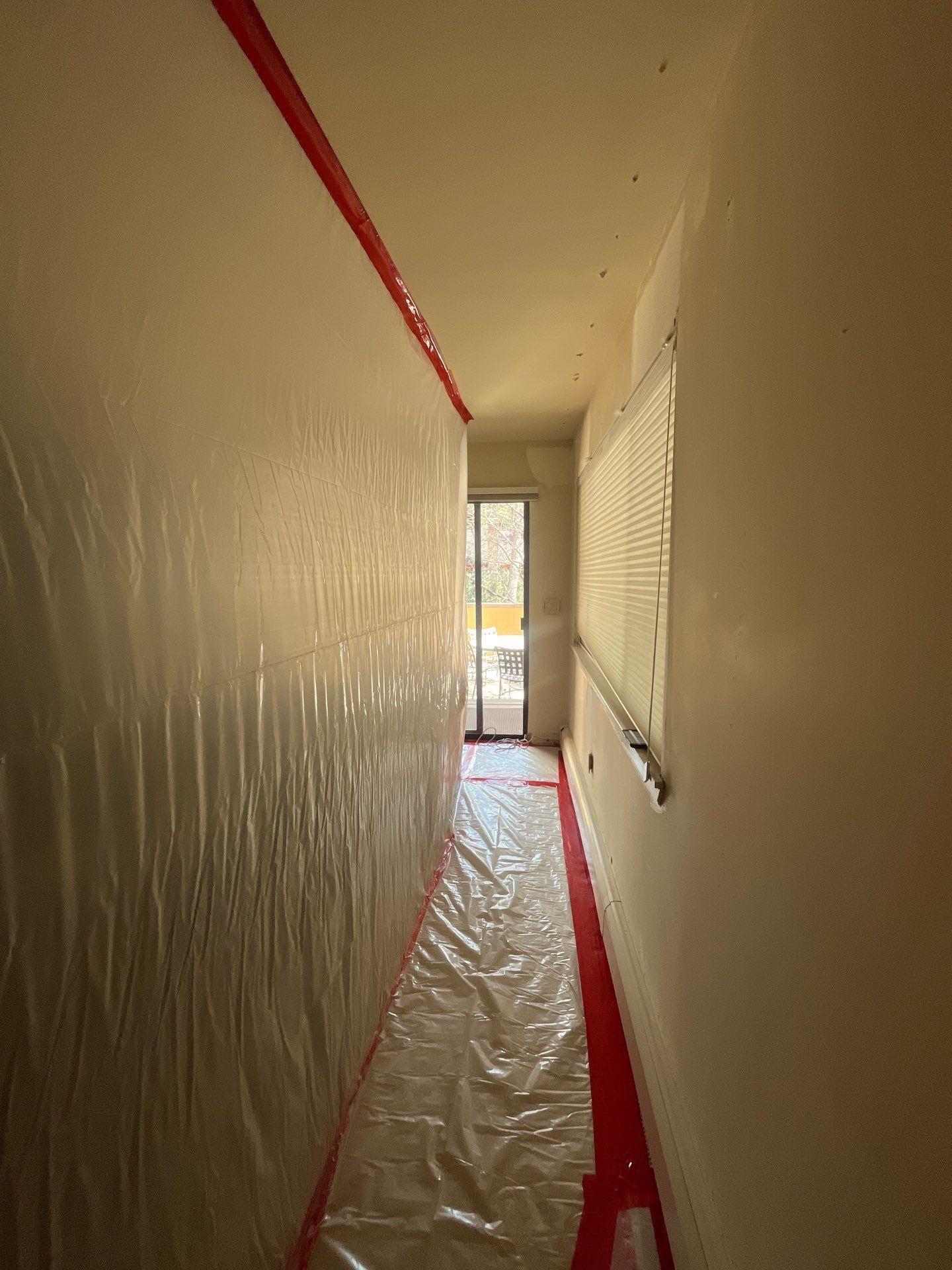
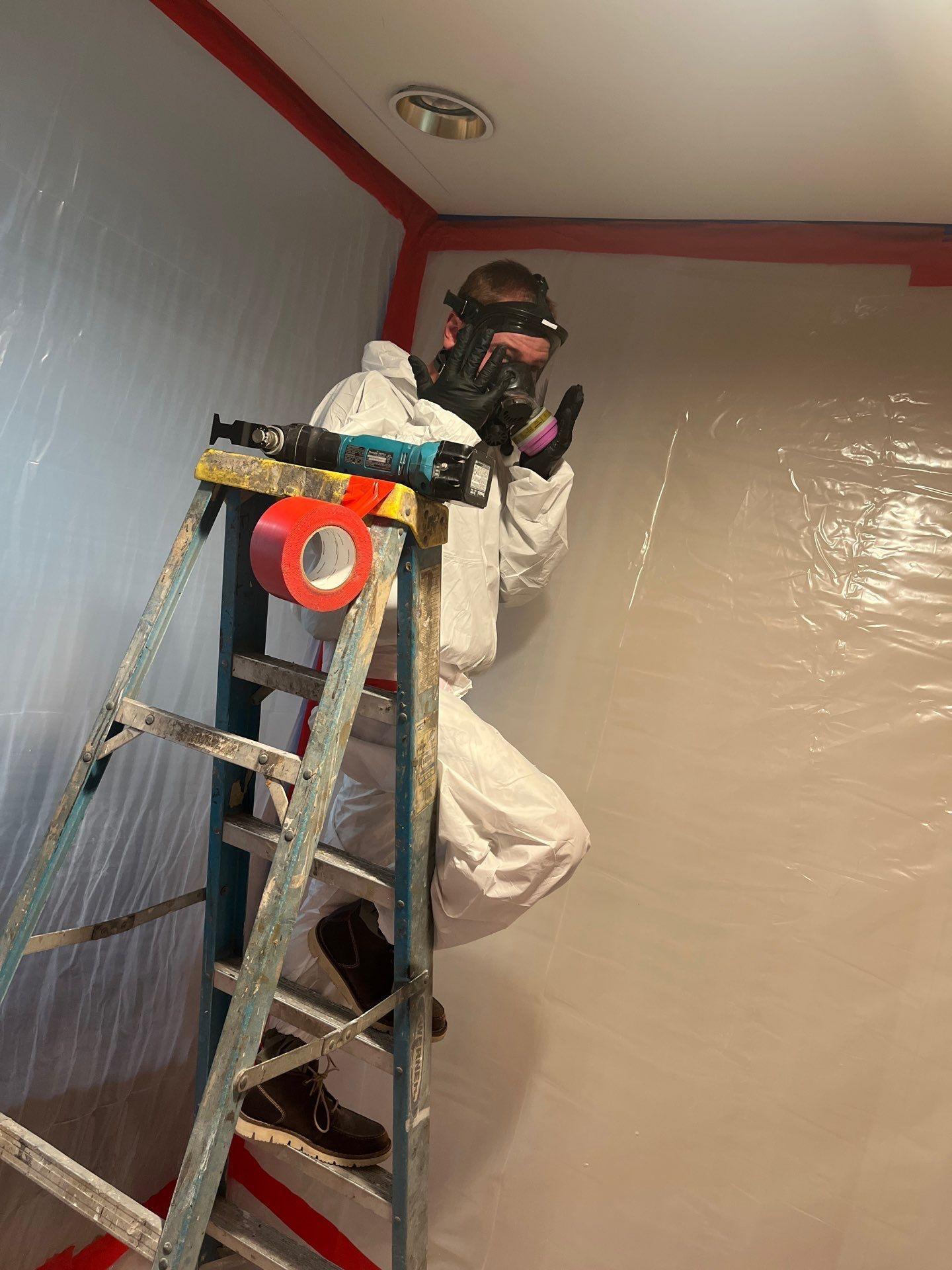
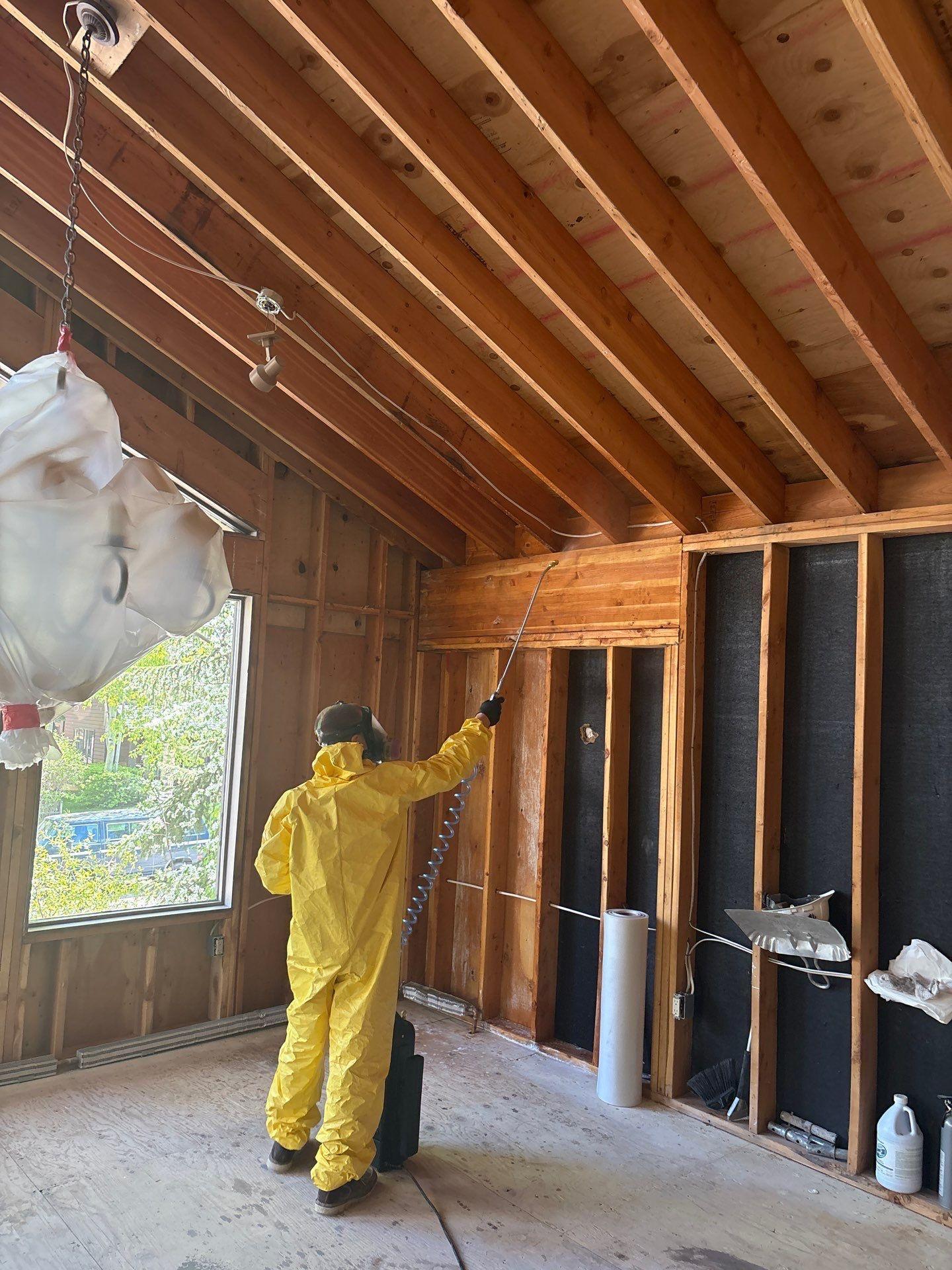
The very first move was containment. Before a single piece of drywall came down, our crew sealed the affected rooms so spores could not drift into clean parts of the house. From there, the work followed a clear order:
- Sealing off the affected rooms and garage with containment barriers
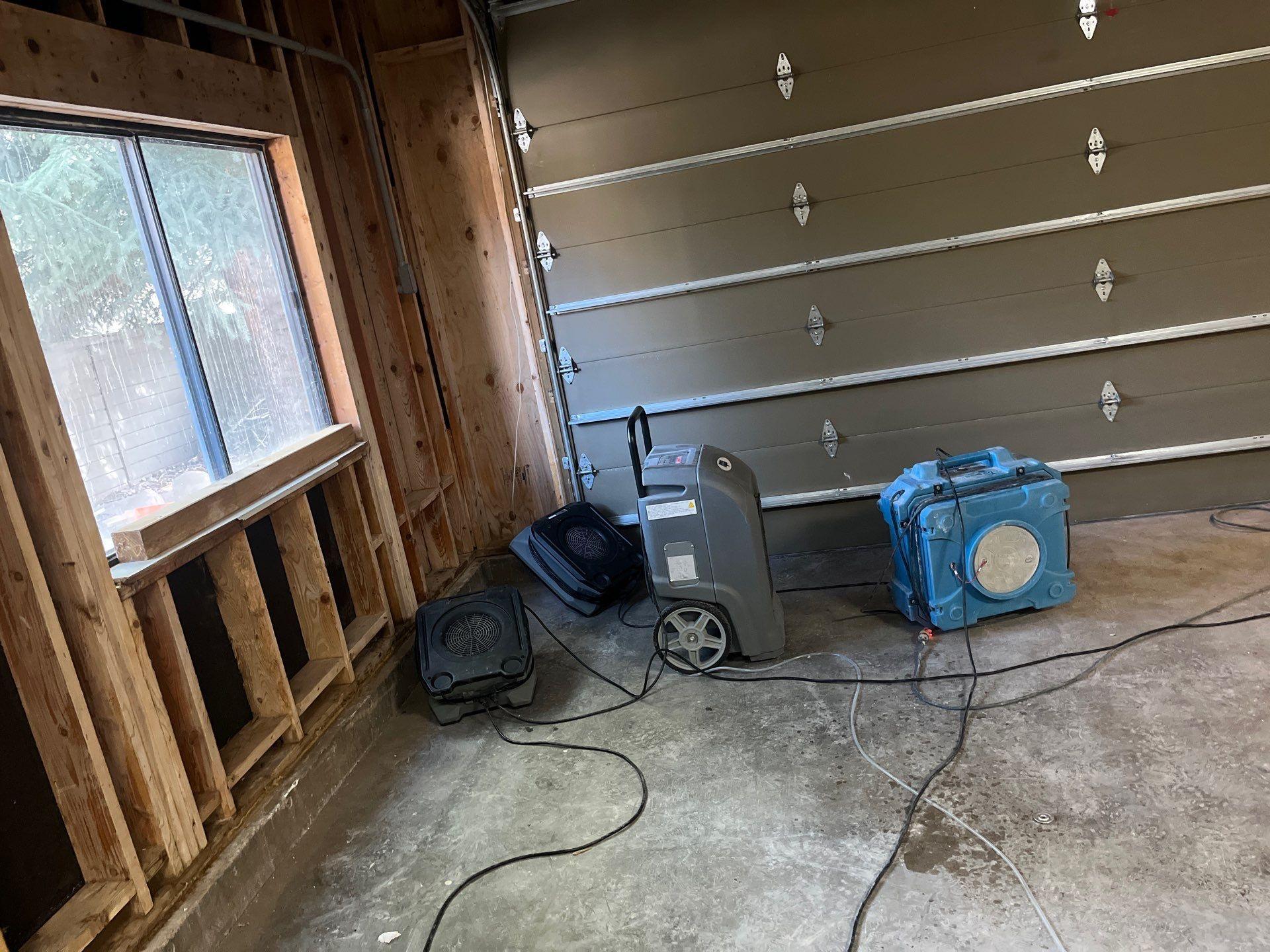
- Drying the wet structure with professional-grade equipment
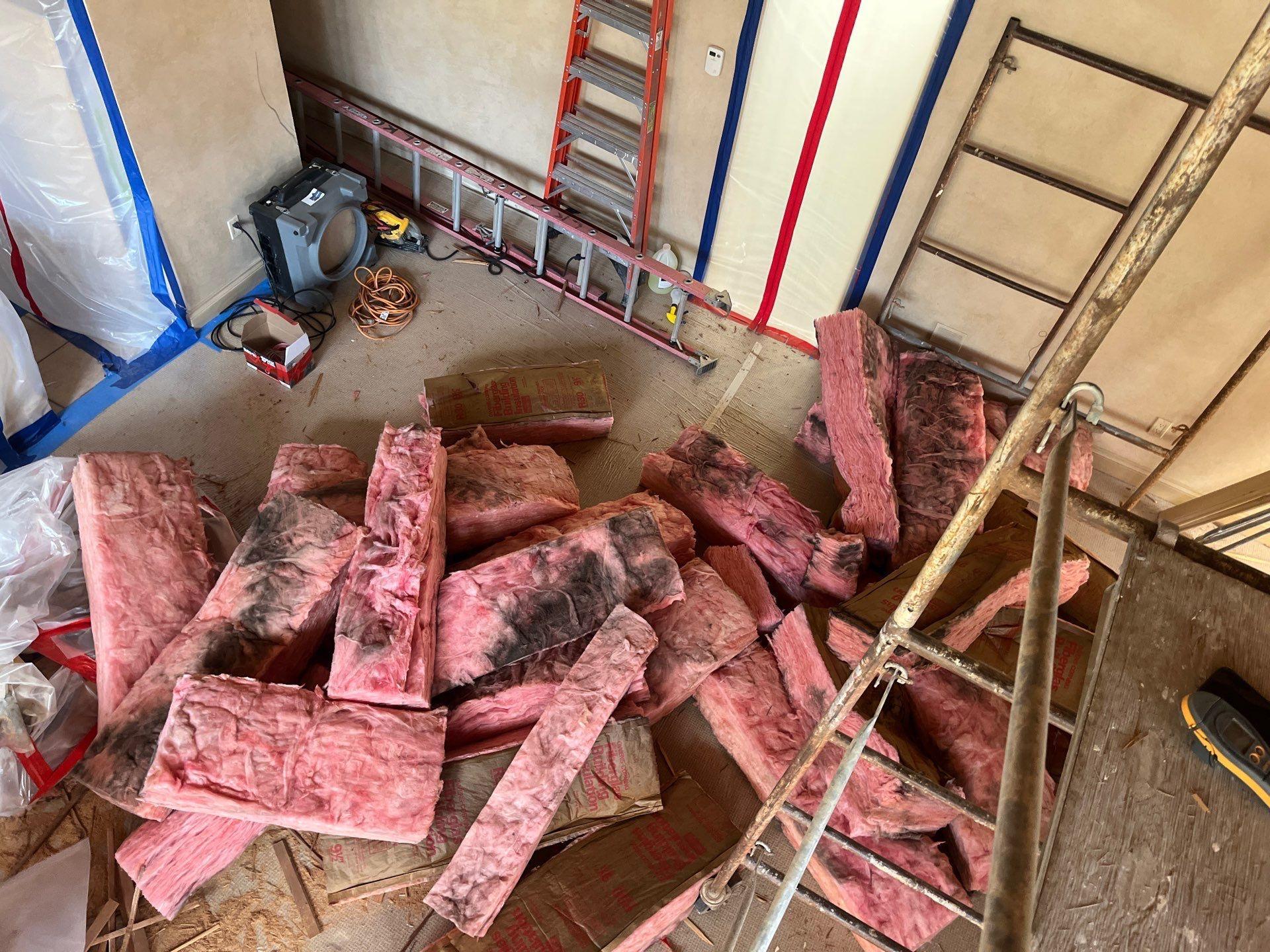
- Removing damaged interior finish materials and insulation
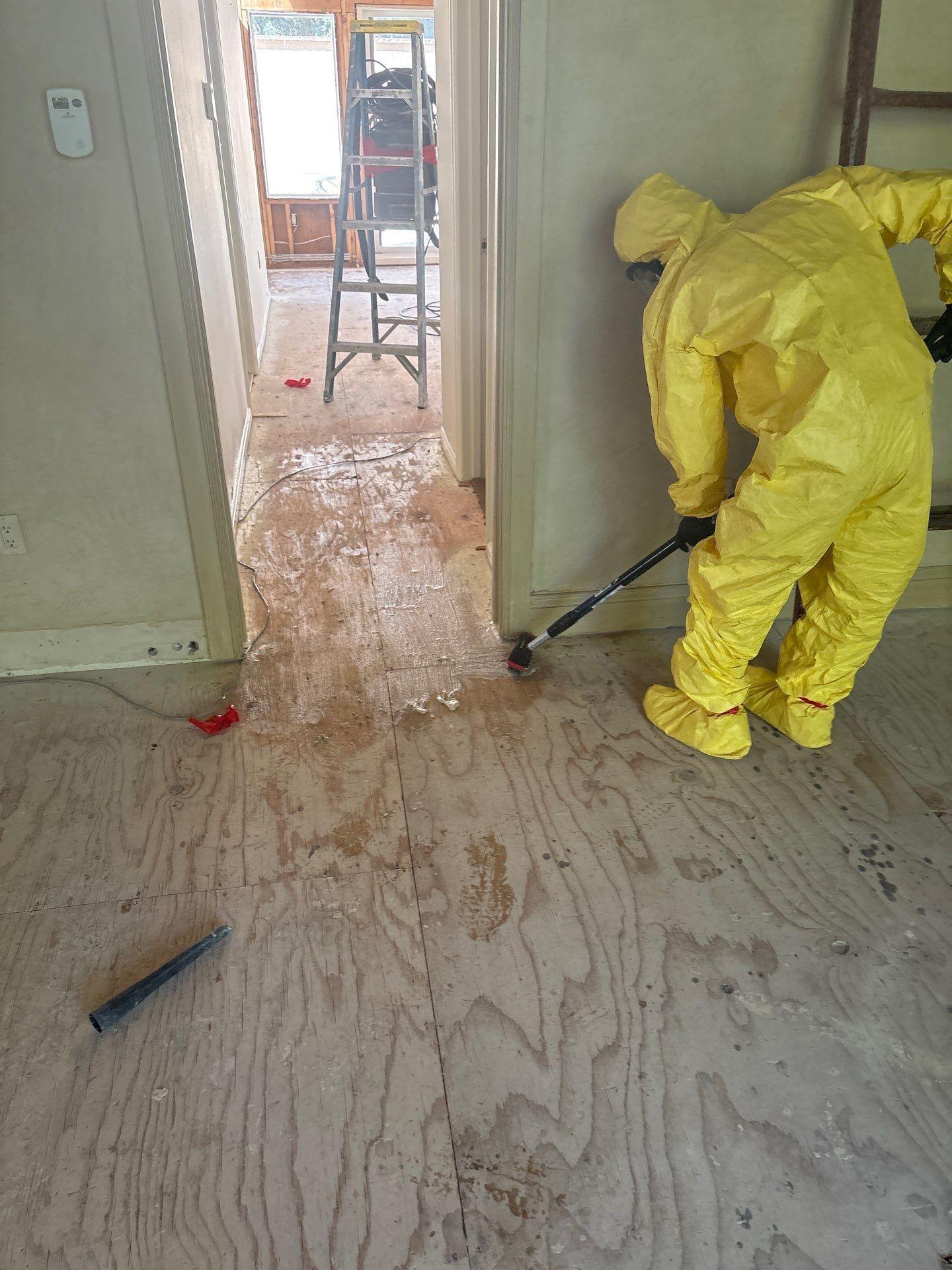
- HEPA vacuuming to capture fine spores and debris
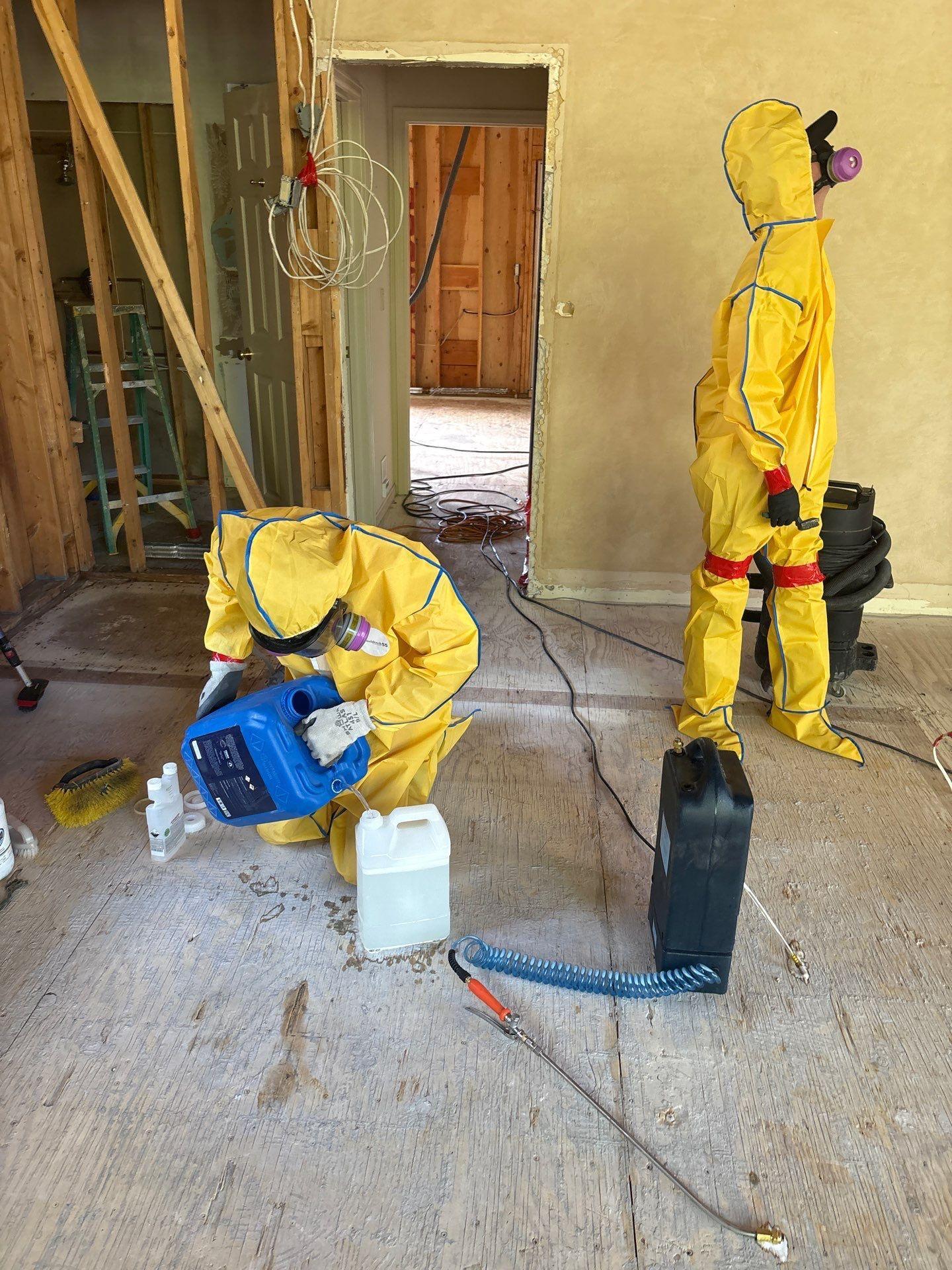
- Applying antimicrobial treatment to the surfaces we kept
 |  |  |
 |  |  |
Held to the Standard, Start to Finish
Every part of this project followed ANSI/IICRC S500 and S520 standards, the national playbook for water and mold work. Per IICRC restoration standards, a job is not finished until moisture readings confirm the structure is truly dry. We trust meters, not guesses.
We will be upfront about the garage. Moisture was still creeping in from outside, so those materials could not reach dry standard before our equipment came out. Instead of calling it done, we flagged it plainly. Sealing that outside water source was the property owner’s next step, and it had to come first.
 |  |  |
 | |  |
Why You Do Not Want to DIY This One
Mold is not a bleach-and-a-fan kind of problem. Real removal takes containment, proper protective gear, and treatment that kills what is growing instead of scattering it around. The EPA cleanup guidance points out that larger mold problems usually need trained hands. Our crew suits up in full PPE every time, because these spores are hard on your lungs.
With over 25 years of combined experience across Colorado’s Western Slope and Roaring Fork Valley, we have seen how fast a hidden leak turns ugly. Curious how these growths take hold in the first place? Our guide on black mold after water damage walks through it. And our Carbondale hidden mold story shows another home brought back the same way.
Smell Something Musty? Do Not Wait It Out.
Mold spreads fast, and a small spot today can mean a big project next month. Our team is available 24/7 for mold and water emergencies across Aspen, Silt, and the surrounding communities. We work directly with insurance to keep the whole thing simple.
Frequently Asked Questions
How do I know if a roof leak caused mold?
Musty smells, stains on ceilings or walls, and peeling paint are common signs. Because roof leaks spread out of sight, mold often grows well before the damage becomes obvious.
Can moldy insulation be saved?
Usually not. Once insulation gets wet and mold takes hold, it cannot be cleaned reliably, so removal is the safest route. Fresh material goes in after the structure is dry.
How quickly should I act on mold?
Right away. Mold can start growing within a day or two of moisture, and the longer it sits, the more it spreads. Our team responds 24/7 across the Western Slope.