Most fire damage restoration jobs take a few days to a few weeks, though heavy losses can run into several months. At RemediH2O, our IICRC-certified crew handles fire damage restoration across Colorado’s Western Slope and the Roaring Fork Valley, from Silt to Aspen. The real timeline depends on how far the smoke, soot, and water traveled.
What’s the Short Answer on Fire Restoration Timelines?
There’s no single number, and anyone who gives you one without seeing the damage is guessing. A small kitchen fire with light smoke might wrap up in under a week. A whole-home fire with heavy soot and firefighting water can stretch into months once the rebuild is added.
It helps to split the work into two parts. First comes mitigation, the emergency cleanup and stabilizing work that stops the damage from spreading. Then comes reconstruction, which puts your home back together.
Our team focuses on the cleanup side and brings in trusted build-back partners for the rebuild. That split matters, because the cleanup phase is usually the part with a predictable timeline.
For most single-room fires we see, the mitigation work runs about one to two weeks. That covers securing the home, cleaning soot, pulling odor, and drying any water. The rebuild is the wild card. It can add days or many weeks depending on what needs replacing.
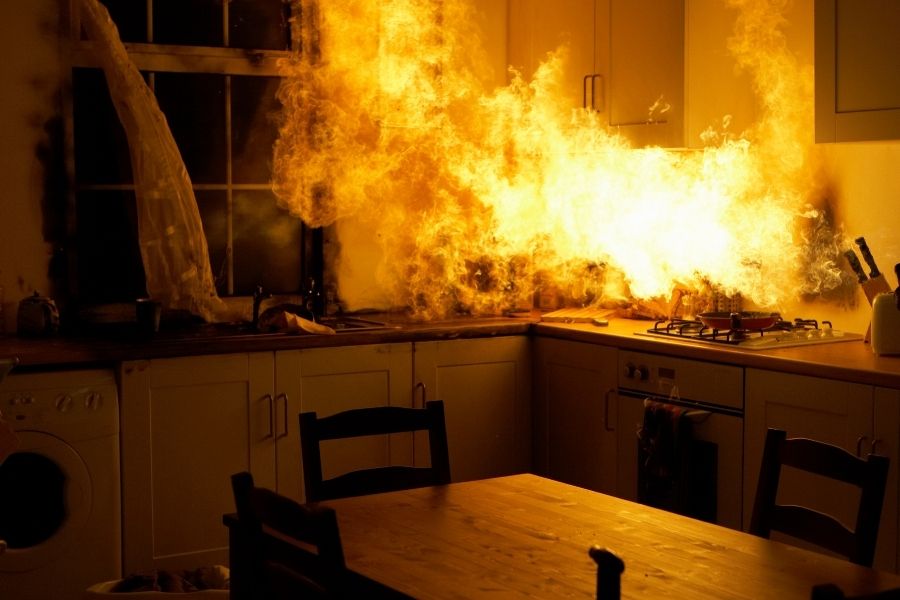
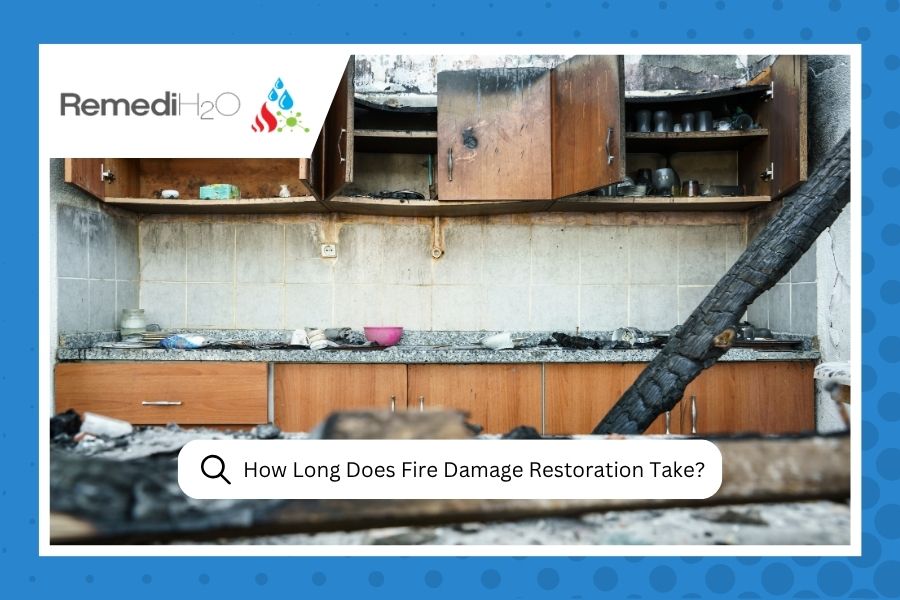
A contained grease fire like this often means lighter smoke and a shorter cleanup, sometimes under a week.
What Affects How Long Fire Damage Restoration Takes?
Five things set the pace: the size of the fire, the type of smoke, water from firefighting, the materials in your home, and how fast you call for help. The gap between a quick job and a long one almost always comes down to these.
- Fire size and spread. A single scorched room clears faster than damage running across several floors.
- Smoke and soot type. Greasy kitchen soot and synthetic smoke cling harder than dry paper ash and take longer to clean.
- Firefighting water. Hoses soak a home fast. Wet drywall and insulation need proper drying before any rebuild starts.
- Building materials. Old plaster, hardwood, and porous surfaces hold odor far longer than sealed modern finishes.
- How fast you respond. Soot turns acidic within hours and eats into metal, grout, and finishes. Quick action shortens the whole job.
Here’s the good news. You control one of these. How fast you call often trims a week off the back end.
Smoke and soot don’t wait, so the sooner cleanup starts, the less they spread. Want a clear plan and a free estimate for your property?
The Fire Damage Restoration Timeline, Step by Step
A typical fire restoration moves through six phases. Some overlap, and smaller jobs skip a few entirely. Here’s how the days usually stack up for homes in our area.
| Phase | What Happens | Typical Timeframe |
|---|---|---|
| 1. Emergency response | Securing the property, board-up, and pulling standing water | 24 to 48 hours |
| 2. Assessment and insurance | Inspection, damage scope, and estimate for your claim | 1 to 5 days |
| 3. Soot and smoke cleanup | Cleaning surfaces, contents, and salvageable belongings | 3 to 7 days |
| 4. Odor removal | Deodorizing, air scrubbing, and clearing trapped smells | 2 to 5 days |
| 5. Structural drying | Drying out firefighting water with dehumidifiers and meters | 3 to 7 days |
| 6. Repairs and rebuild | Reconstruction, handled by our build-back partners | Weeks to months |
Timeline at a Glance
Light smoke: about one week •
Moderate damage: two to four weeks •
Major loss: two months or more with rebuild
These phases rarely happen one at a time. Drying often runs while our crew cleans soot, and odor treatment overlaps with both. Good scheduling is how a job that looks like a month on paper wraps up in two weeks.
Want the full breakdown of each stage? Our guide on what fire damage restoration includes walks through every step in plain language.
Why Rushing the Job Can Cost You More
Faster isn’t always better. Skipping proper drying or odor treatment leads to lingering smells, hidden mold, and repairs that fail a few months later. A thorough job protects both your health and your wallet.
Firefighting water left behind can feed mold growth within a day or two, so drying is as important as scrubbing. Our water removal and drying work runs right alongside the soot cleanup for that reason.
Smoke also hides where you can’t see it, inside walls, ducts, and insulation. The U.S. Fire Administration’s after-the-fire guidance stresses careful cleanup before anyone moves back in. Missing those hidden spots is what turns a quick job into a callback.
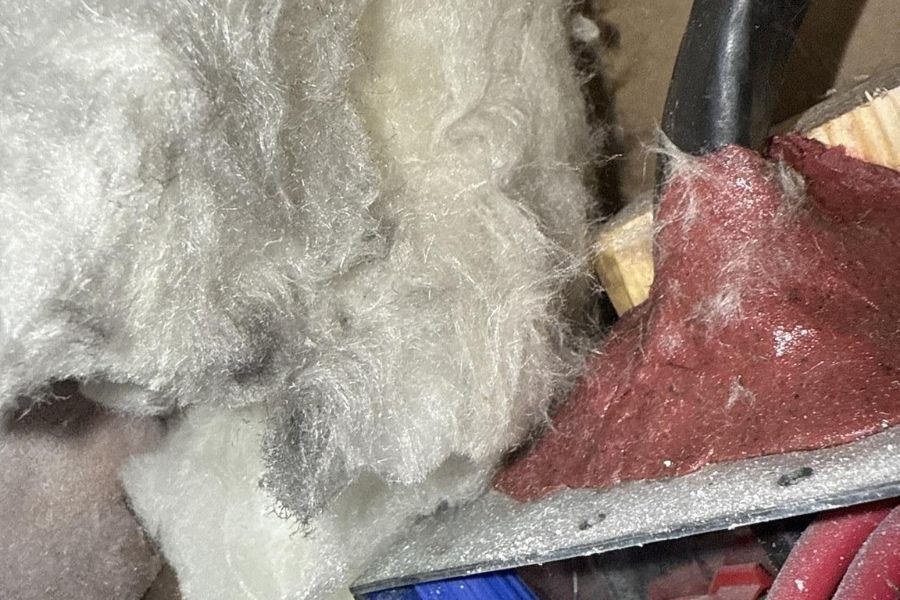
Soot buried in insulation is easy to miss, and clearing it properly is part of why a thorough job takes time.
If you’re not sure how bad the damage really is, our post on the signs of smoke damage in mountain homes shows what to look for.
How Long Does Fire Restoration Take on Colorado’s Western Slope?
Mountain living adds a few wrinkles to the timeline. Cold, dry winter air can speed some drying, but freezing weather also means firefighting water can turn to ice and complicate cleanup. That balance shifts the schedule.
There’s an upside to our thin, dry air. Low humidity pulls moisture out faster than a damp climate would, which can speed the drying phase.
Homes in Silt, Rifle, Glenwood Springs, and Aspen often mix old and new construction, which changes how long odor removal takes. Insurance shapes the calendar too. We work directly with insurers and build clear estimates, which keeps approvals moving instead of stalling.
You can see how this plays out in our Rifle fire restoration story, or check our Rifle service area page for local response details. For recovery basics, the American Red Cross also offers solid guidance.
Fire damage gets worse by the hour.
Our team answers 24/7 across the Western Slope and Roaring Fork Valley. Reach us any time at (970) 715-6990.
Frequently Asked Questions
Can I stay in my house during fire damage restoration?
Sometimes, but it depends on the damage. Light smoke in one room may let you stay, while heavy soot, poor air quality, or structural concerns usually mean staying elsewhere until cleanup is done. We’ll give you a straight answer after the assessment.
Does homeowners insurance cover fire damage restoration in Colorado?
Most policies cover sudden, accidental fire damage, including smoke and firefighting water. We work directly with your insurer and document everything to support the claim, so you’re not stuck sorting the paperwork alone.
How soon should I start fire cleanup after a fire?
Within 24 to 48 hours. Soot becomes acidic quickly and starts etching metal, glass, and finishes, so early cleanup prevents permanent stains and cuts the total timeline. Waiting almost always makes the job longer.
Do you handle the rebuild too?
We handle the mitigation and cleanup, then refer trusted build-back partners for reconstruction. That way the drying and odor work is done right before repairs begin, which keeps the finished result solid.