Talk to a Top-Rated Flood, Fire and Mold Remediation Expert 24/7

remedi h2o

Certified Radon Mitigation Services near Aspen & Silt, CO

Our team at RemediH2O understands that radon mitigation isn't a service you want to guess your way through. Radon is a colorless, odorless radioactive gas that accumulates silently in homes across Colorado, and proper radon mitigation requires certified technicians, the right equipment, and a system designed specifically for your property.
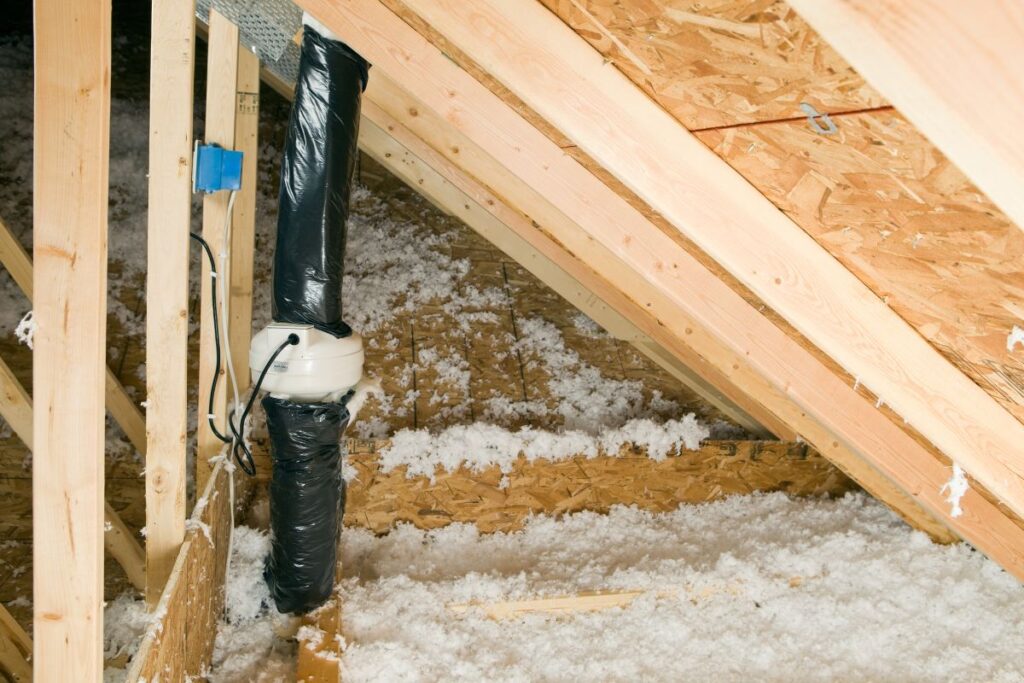
Certified Radon Mitigation Services for Colorado Homes

What We Address

Radon can infiltrate a home through several entry points, and our certified technicians assess all of them:

Basement radon mitigation:

Slab cracks, floor-wall joints, and foundation gaps are the most common radon entry points in Colorado homes with basements.Slab cracks, floor-wall joints, and foundation gaps are the most common radon entry points in Colorado homes with basements.

Crawl space radon systems:

Sub-membrane depressurization keeps radon from migrating into living spaces through soil contact.

Slab-on-grade homes:

Passive and active radon reduction system configurations for homes without basements.

Residential radon mitigation:

Complete assessment, system design, and installation for single-family homes.

Home radon removal:

Post-mitigation verification confirms the system is performing as designed.

Radon removal services:

Our radon mitigation company handles everything from initial assessment through post-installation testing.
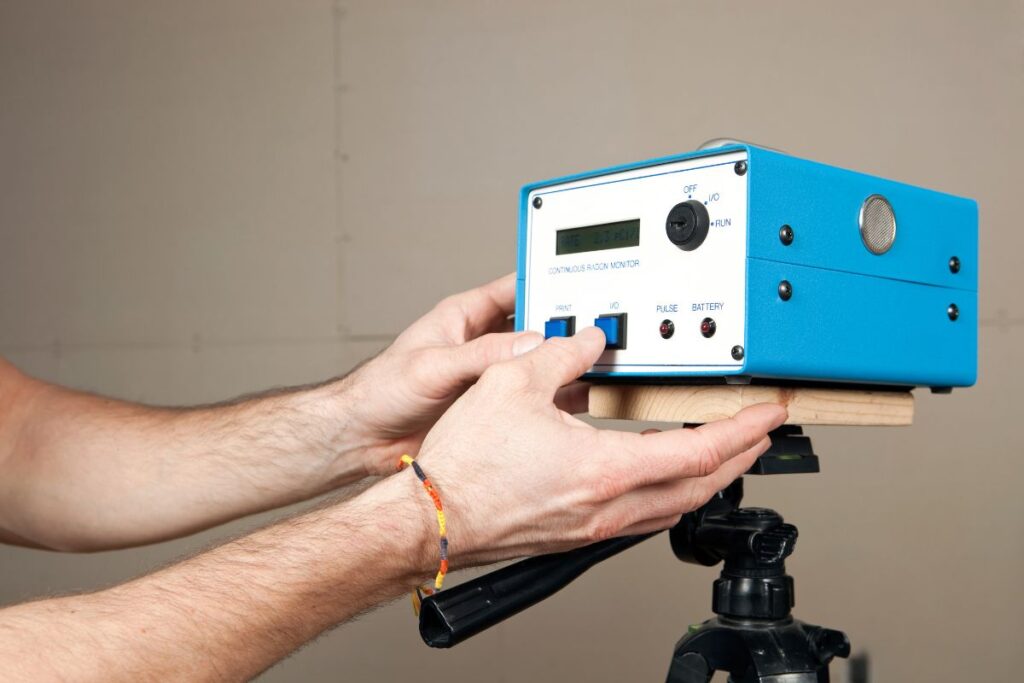
Radon system installation:

Proper sizing, placement, and fan selection for your specific home layout and geology.
Why Radon Gas Mitigation Matters for Colorado Families

Why Radon Gas Mitigation Matters for Colorado Families

The EPA identifies radon as the second leading cause of lung cancer in the United States, responsible for approximately 21,000 deaths annually. Colorado sits in what the EPA designates as Zone 1, the highest-risk radon zone, due to the state’s geology. Homes on the Western Slope are particularly susceptible given the area’s uranium-bearing soils and granite formations.

The risk compounds with time. Radon exposure is cumulative, meaning a family living in a home with elevated levels accumulates dose every day. Children, who breathe more air relative to their body size, face proportionally higher risk. A properly installed radon reduction system typically reduces radon levels by up to 99%. This is a solvable problem.

Our radon contractor team follows EPA guidelines and industry best practices for every installation.

Our Radon Mitigation Process

Step 1: Initial Assessment

We inspect your home's construction type, foundation, and entry points to determine the appropriate system design. Every home is different, and cookie-cutter installations often underperform.

Step 2: Radon System Design

Based on the assessment, we design a radon reduction system specific to your home. This includes selecting the right fan capacity, determining pipe routing, and identifying the optimal exhaust location.

Step 3: Radon System Installation

Our certified radon contractors install the sub-slab depressurization system, seals identified entry points, and routes the exhaust pipe to safely vent radon away from the living area.

Step 4: Post-Installation Testing

After installation, we conduct or coordinate post-mitigation testing to confirm radon levels have dropped to the EPA's recommended action level of 4 pCi/L or below.

Step 5: System Documentation

We ensure complete restoration to industry standards and help coordinate with insurance adjusters. Our job isn't finisheWe provide documentation of the installed system, including fan specifications and maintenance notes, for your records and any future real estate transactions.d until your property is fully restored and you're completely satisfied.
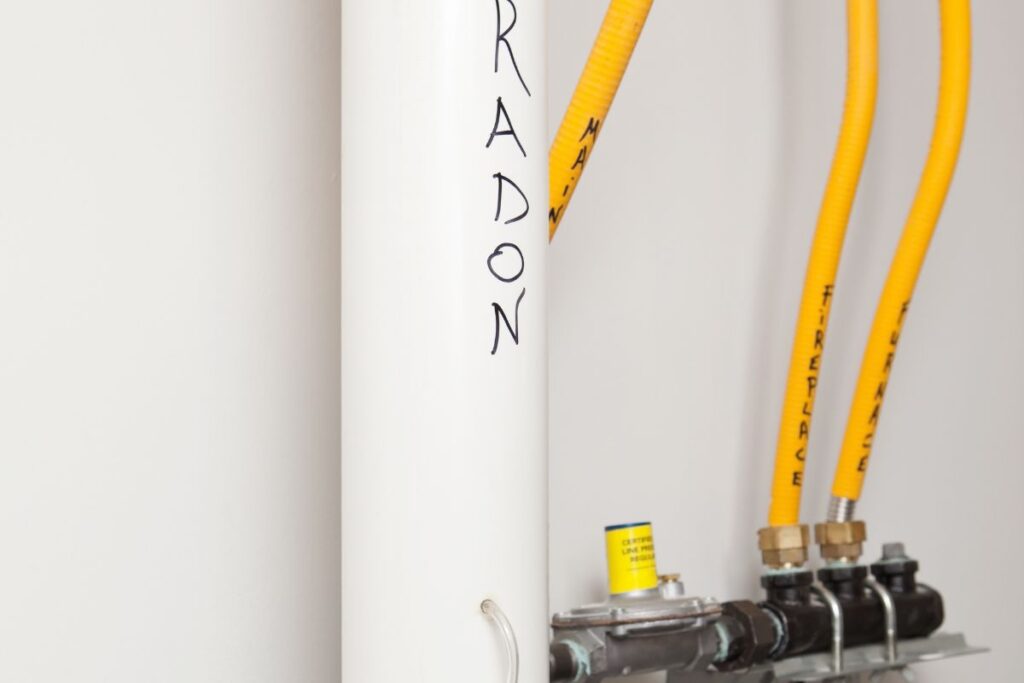
Residential and Commercial Properties

Residential and Commercial Properties

Residential radon mitigation focuses on bedrooms, basements, and occupied living spaces. Commercial mitigation addresses ground-floor offices and work areas where employees or customers spend significant time. Both require certified professionals and engineered systems. Our team has experience with both.

Get Certified Radon Removal Services

RemediH2O’s certified technicians assess your home, design the right system, and install it correctly the first time. We provide free estimates so you know exactly what the solution involves before any work begins. Call us at (970) 715-6990 or contact our team online to schedule your radon assessment.

Frequently Asked Questions About Radon Mitigation

What radon level requires mitigation?

The EPA recommends taking action when radon levels reach 4 pCi/L (picocuries per liter) or higher. Levels between 2 and 4 pCi/L fall in a zone where mitigation is worth considering, particularly for homes with young children or occupants who smoke.

How long does radon system installation take?

Most residential radon system installations are completed in a single day. The system is operational immediately after installation, though post-mitigation testing typically requires 48–90 days for accurate long-term results.

Do I need to leave my home during installation?

No. Radon system installation is minimally invasive. Our technicians work primarily in the basement or crawl space, and the process does not require occupants to vacate the property.

Will a radon mitigation system affect my home sale?

An installed and documented radon mitigation system is generally viewed as a positive by buyers and their inspectors. It demonstrates the problem has been professionally addressed, which is preferable to an untreated home with elevated levels.

How often does a radon system need maintenance?

Radon mitigation systems require minimal maintenance. We recommend testing your radon levels every two years and checking the system fan annually to confirm it's operating. Most fans last 10–20 years under normal conditions.

Does homeowners insurance cover radon mitigation?

Radon removal services are typically not covered by standard homeowners insurance because it's considered a preventive measure rather than sudden damage. However, it may be negotiated as part of a real estate transaction. We're happy to walk you through your options.

Request Your Free Inspection