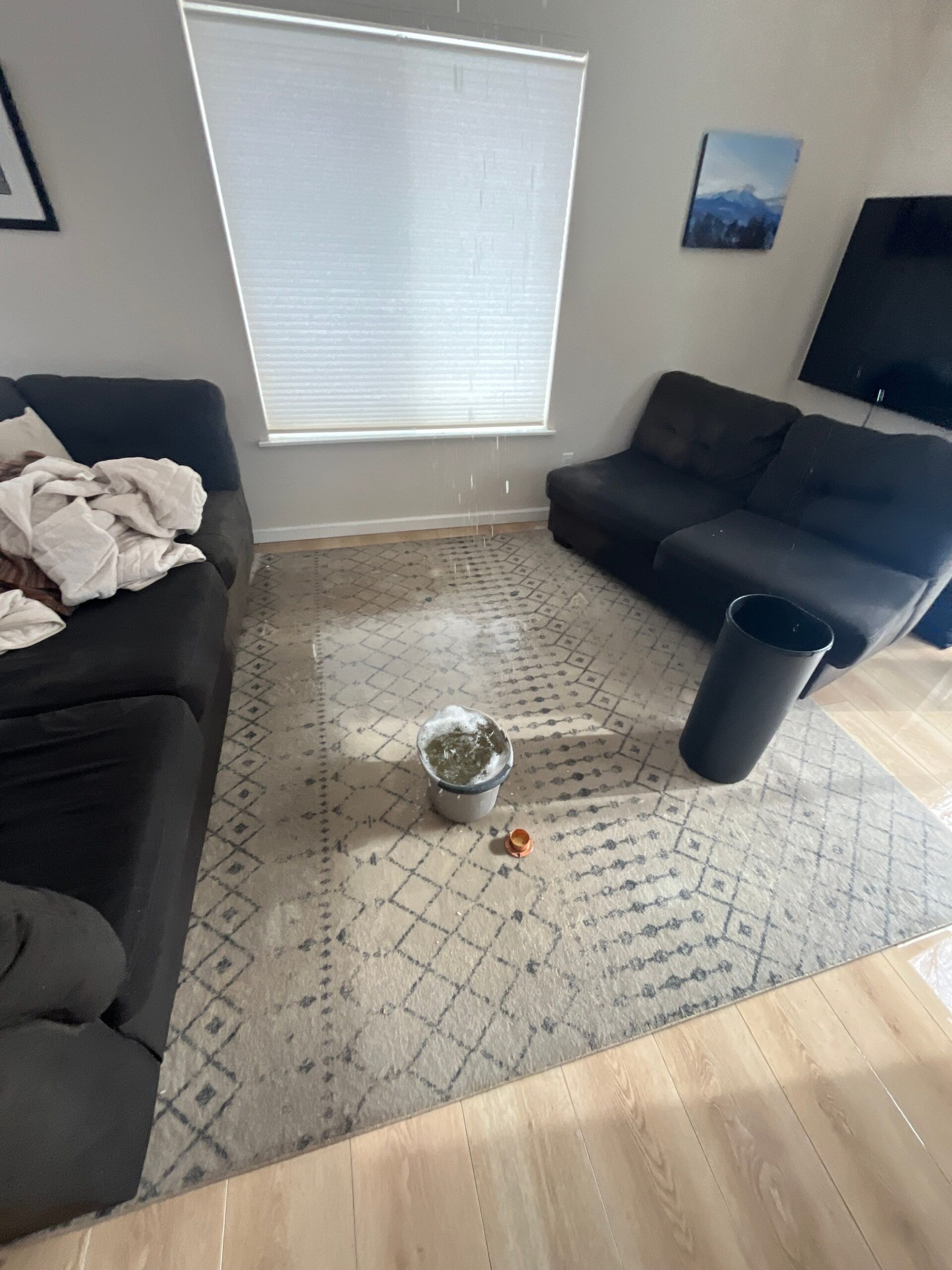
When the call came in from a homeowner in Aspen, the situation was already past the point of a quick fix. Water had been dripping into the living room for a few days before anyone noticed. By the time our water damage restoration team arrived, a bucket sat in the middle of the floor catching steady drips from the ceiling, and the area rug showed clear signs of saturation. The homeowner had hoped it was just a minor leak. It wasn’t.
What We Found During the Inspection
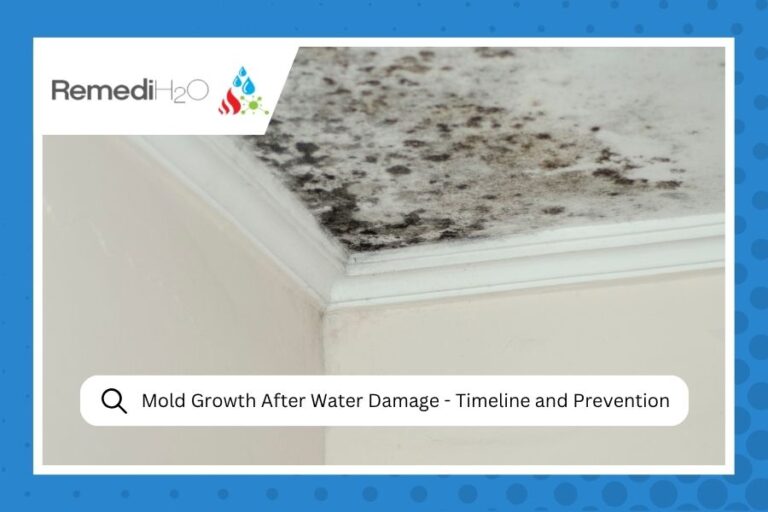
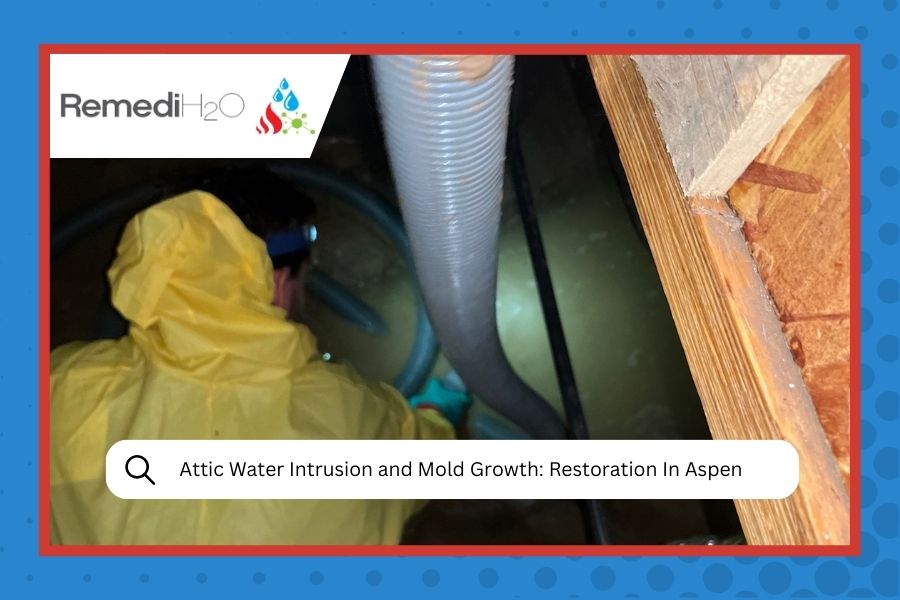
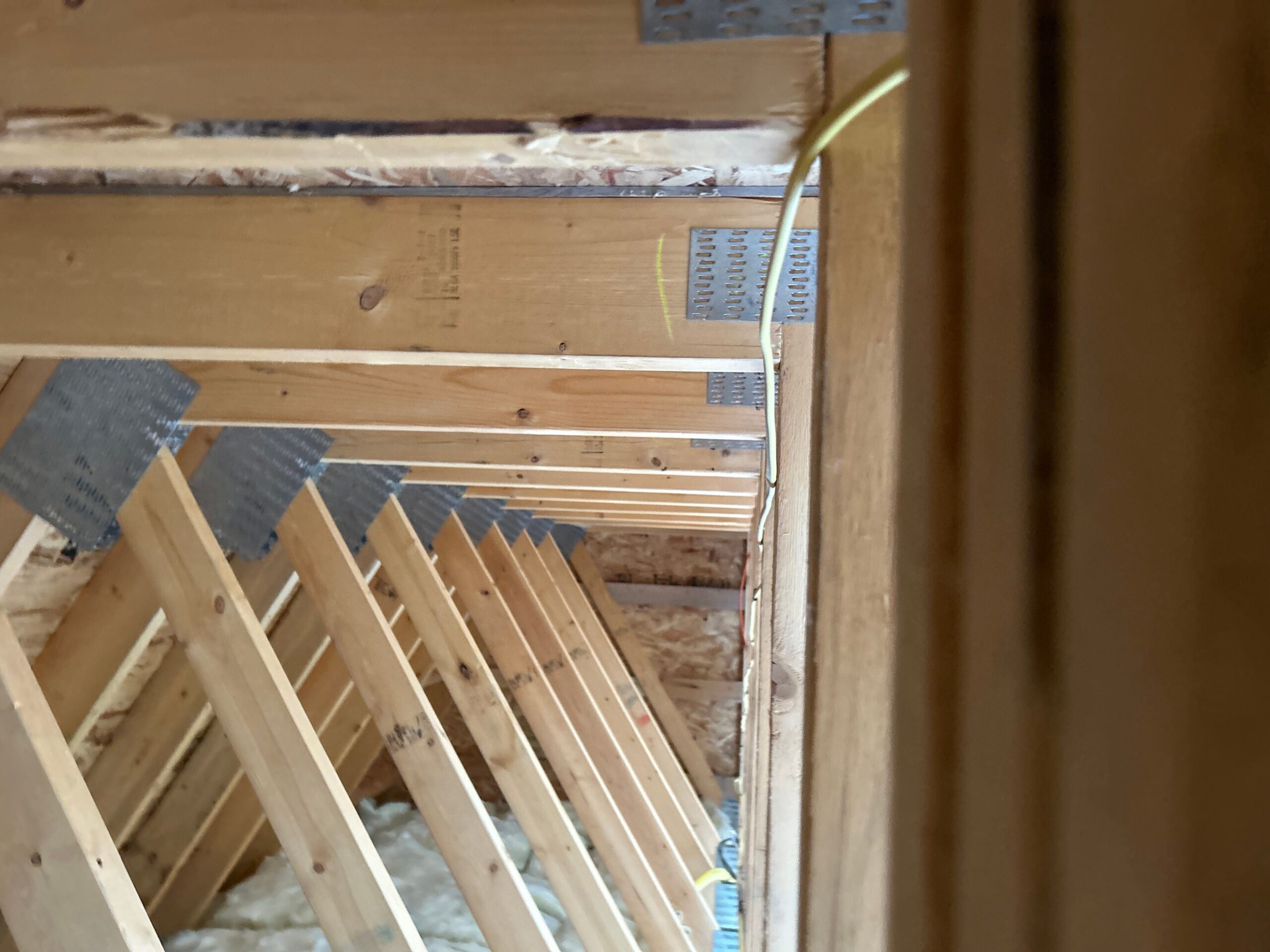
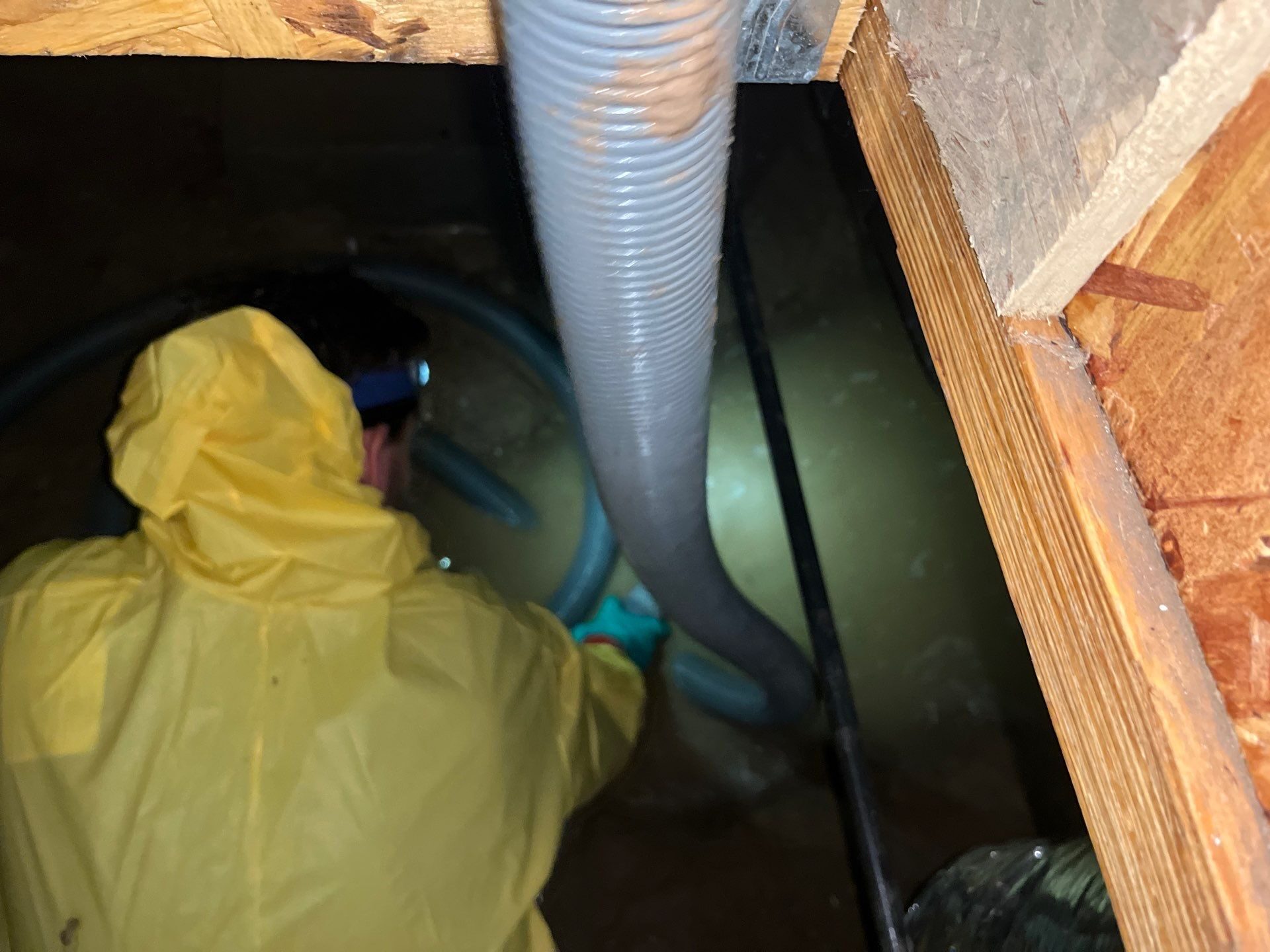
Our technicians traced the water back to its source and discovered standing water in the attic space. The moisture had been accumulating long enough for mold to establish itself on the framing and roof sheathing. According to the EPA’s guidance on mold and moisture, mold can begin growing on wet surfaces within 24 to 48 hours. This attic had likely been wet for weeks.
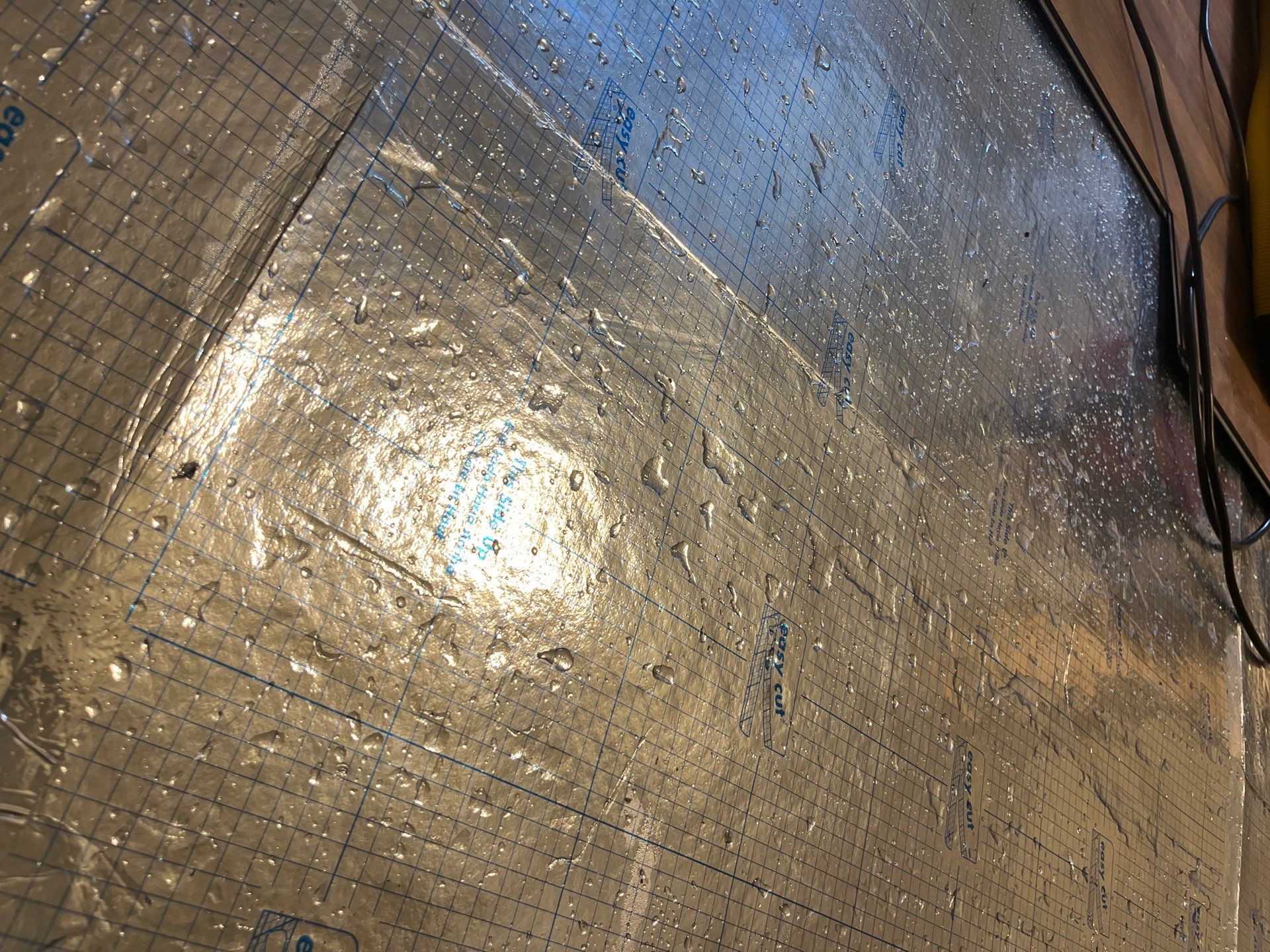
The water hadn’t stayed put, of course. It had migrated down through the wall cavities, spread beneath the flooring system, and saturated the underlayment and subfloor in the entryway and adjacent rooms. What looked like a ceiling leak was actually a much bigger problem hiding behind the walls and under the homeowner’s feet.
The Restoration Process
Jobs like this require a systematic approach. You can’t just dry out the visible damage and call it done. The RemediH2O team started with water extraction from the attic space, then worked our way through the affected areas methodically.
Removing Damaged Materials
The flooring came up first. Once we pulled back the surface materials, we found the underlayment completely saturated with pooled water sitting on top. This is exactly why hidden water damage is so tricky. Everything can look fine on the surface while serious problems develop underneath.
We performed flood cuts on the water-damaged drywall per IICRC standards, removing the lower portion of affected walls to allow the structural components to dry properly. This also gave us access to inspect the wall cavities for additional moisture and mold growth.
Structural Drying
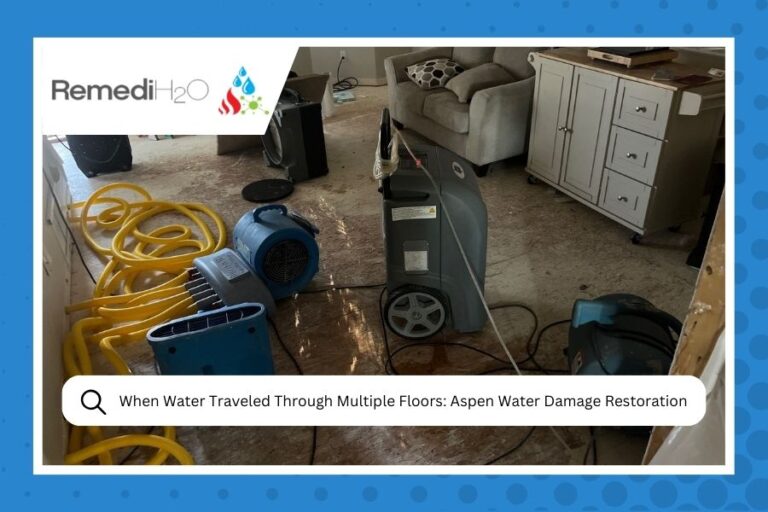
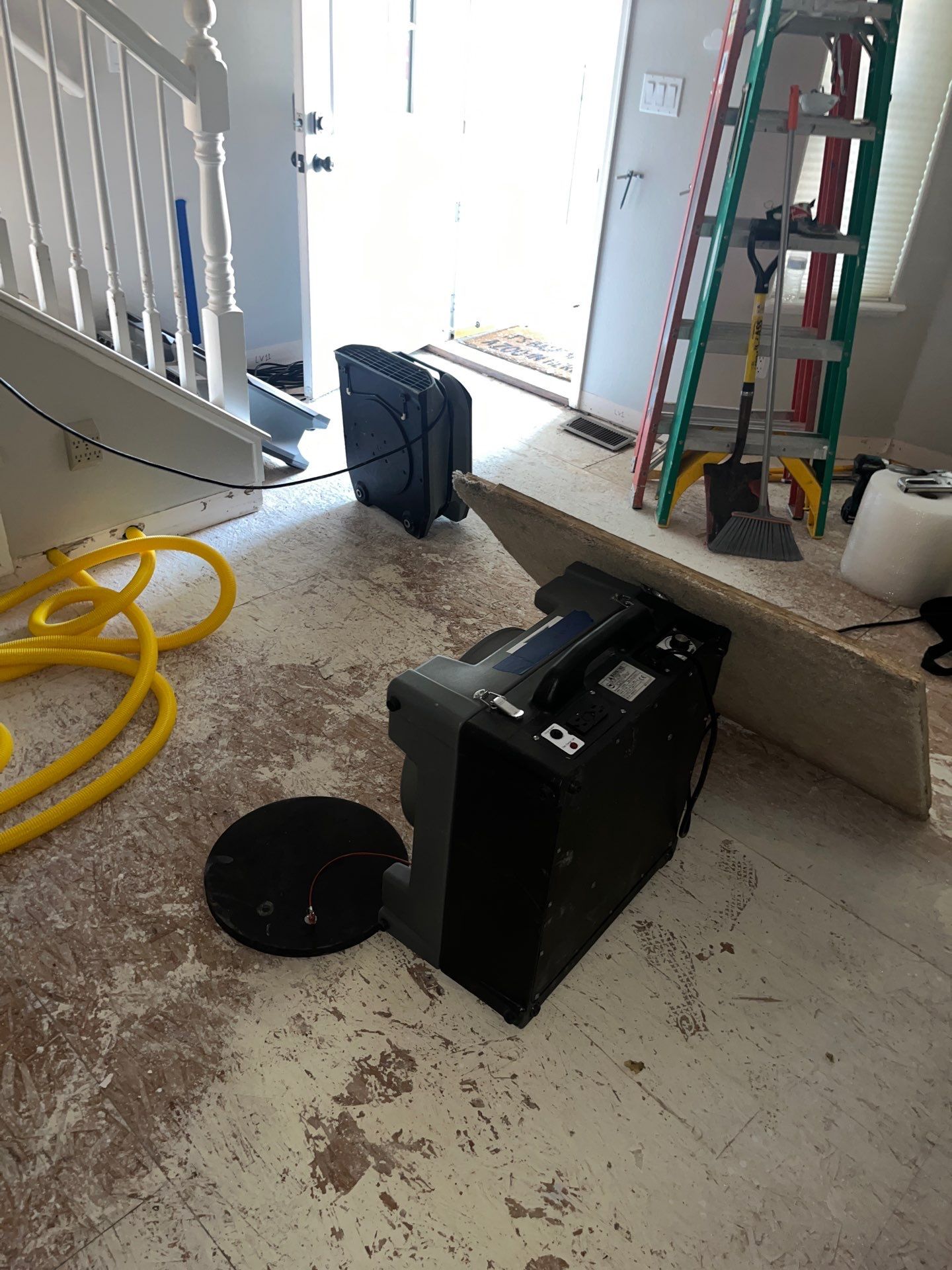
Commercial air movers and dehumidifiers went in throughout the main level. These aren’t the units you pick up at the hardware store. Professional-grade equipment moves significantly more air and pulls much more moisture, which matters when you’re trying to dry out structural framing and subfloor materials before secondary damage sets in.
We monitored moisture levels throughout the drying period. You don’t just run the equipment for a set number of days and hope for the best. Daily readings tell us when materials have reached acceptable moisture content, so we know the structure is actually dry before moving forward.
Attic Mold Remediation
The attic work required full containment and HEPA filtration. Our technicians worked in full PPE due to the confined space conditions and confirmed mold presence on the framing and sheathing. This is detailed, careful work. You’re dealing with both the mold itself and the conditions that allowed it to grow in the first place.
If you’ve ever wondered what professional mold remediation actually involves, this job was a textbook example. Containment prevents cross-contamination to unaffected areas. HEPA filtration captures airborne spores. And proper treatment of affected materials ensures the mold doesn’t come back.
Why Early Response Matters
This Aspen homeowner’s situation could have been less extensive with earlier intervention. That’s not a criticism. People are busy, and a small drip doesn’t always seem urgent. But water damage is one of those problems where time works against you. The IICRC S500 standard for water damage restoration emphasizes the importance of rapid response for exactly this reason.
Every day that moisture sits in building materials increases the likelihood of mold growth and structural damage. What starts as a manageable water extraction job can become a full remediation project. If you notice water where it shouldn’t be, even a small amount, getting it assessed quickly can save significant headaches later.
The Outcome
After several days of drying and complete mold remediation in the attic, the home was ready for rebuild. The structural components were dry and verified with moisture meters. The mold was properly addressed. The homeowner could move forward with repairs knowing the underlying issues were resolved, not just covered up.
Jobs like this remind us why we do what we do. Water damage is stressful enough without wondering if the problem is actually fixed. Our goal is always to restore homes thoroughly, so people can get back to normal without worrying about what’s lurking behind the walls. For more on the restoration process, check out our guide on what water damage restoration includes and whether insurance covers it.
Dealing With Water Damage or Mold in Your Home?
If you’ve noticed water stains, musty odors, or visible leaks in your Aspen area home, don’t wait to find out how bad it is. RemediH2O provides 24/7 emergency response throughout Colorado’s Western Slope and Roaring Fork Valley.
Contact our team for a free assessment, or call (970) 715-6990 for immediate help.