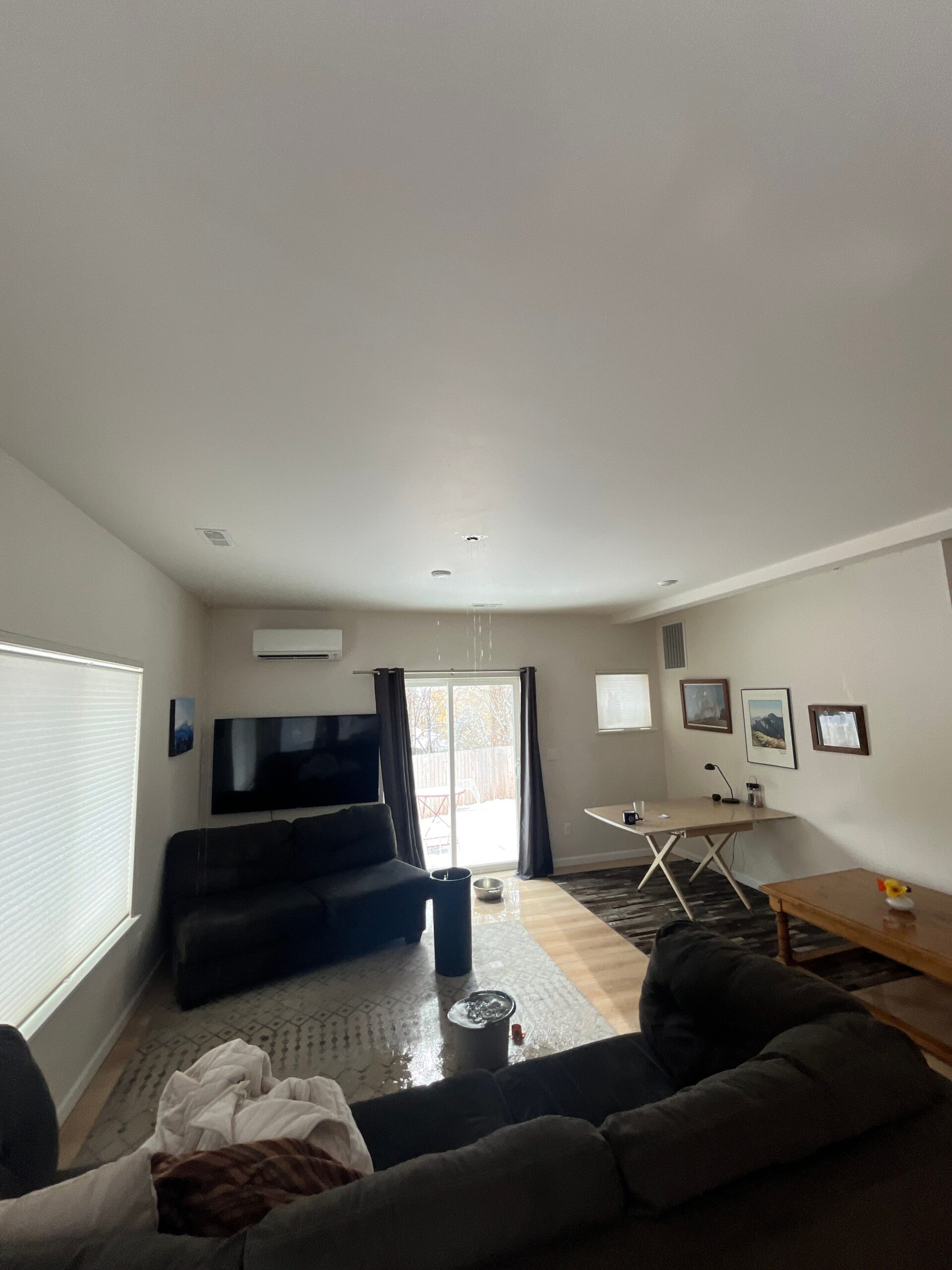
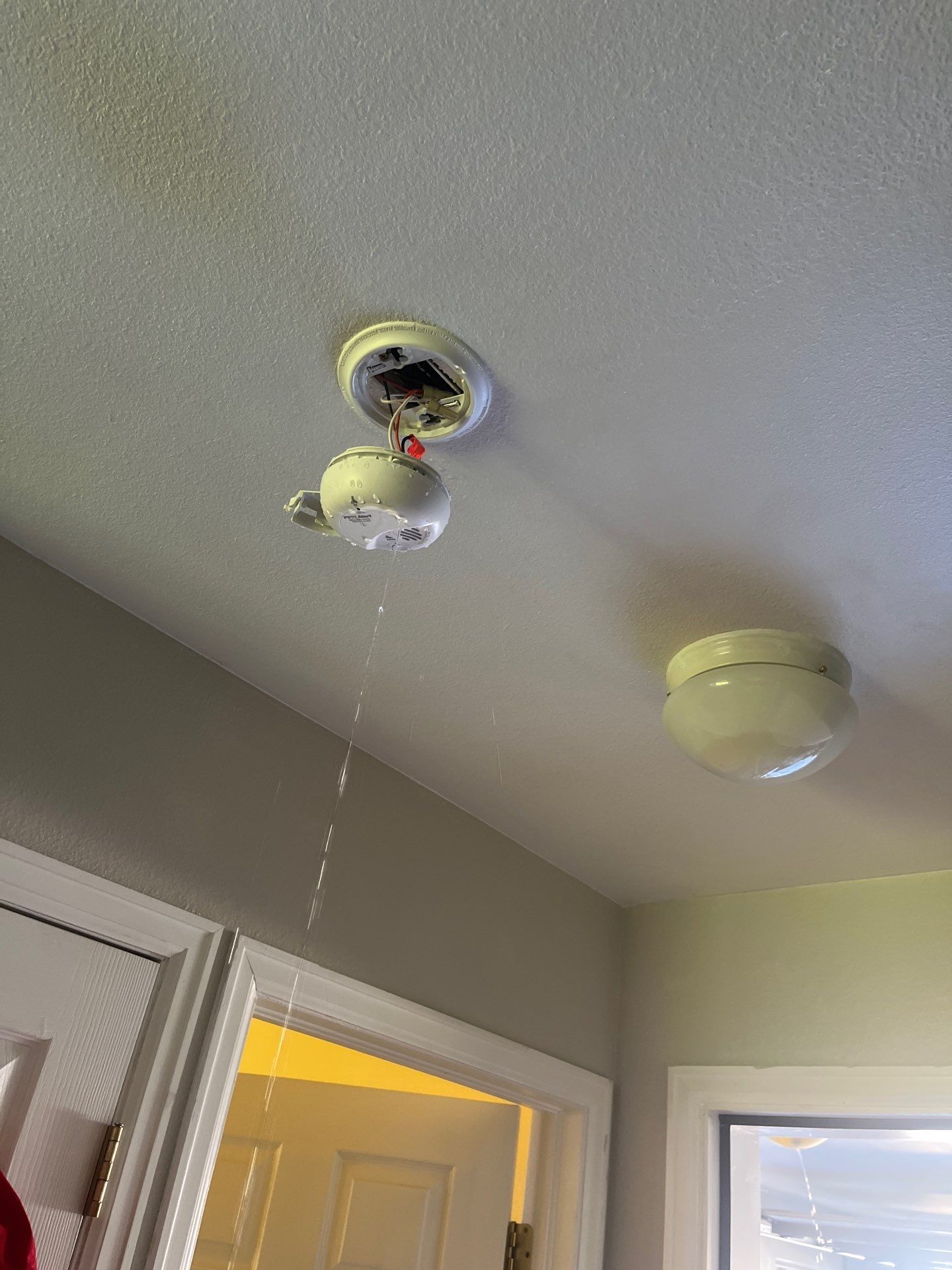
Some calls start calm. This one didn’t. A homeowner in Aspen noticed water dripping from their smoke detector, which is never a good sign. Within hours, our emergency water damage restoration team was on site, assessing what had quickly become a multi-level water intrusion event affecting ceilings, floors, and even the crawl space below.
Water has a way of finding paths you’d never expect. In this case, it traveled from above, soaking through ceiling drywall and making its way down through multiple rooms before pooling in the crawl space near the HVAC system. Every homeowner’s worst nightmare, really.
Assessing the Damage in an Aspen Home
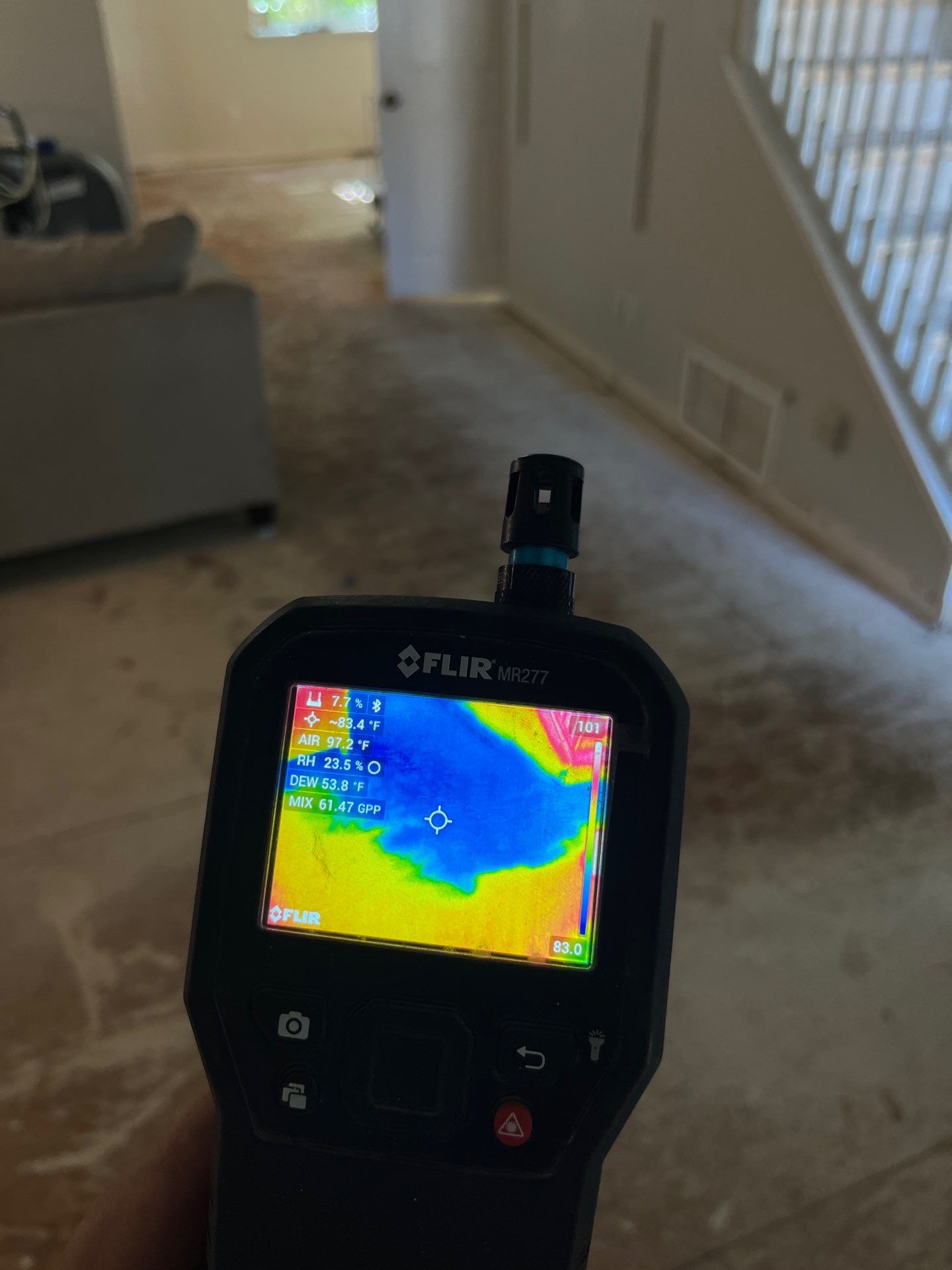
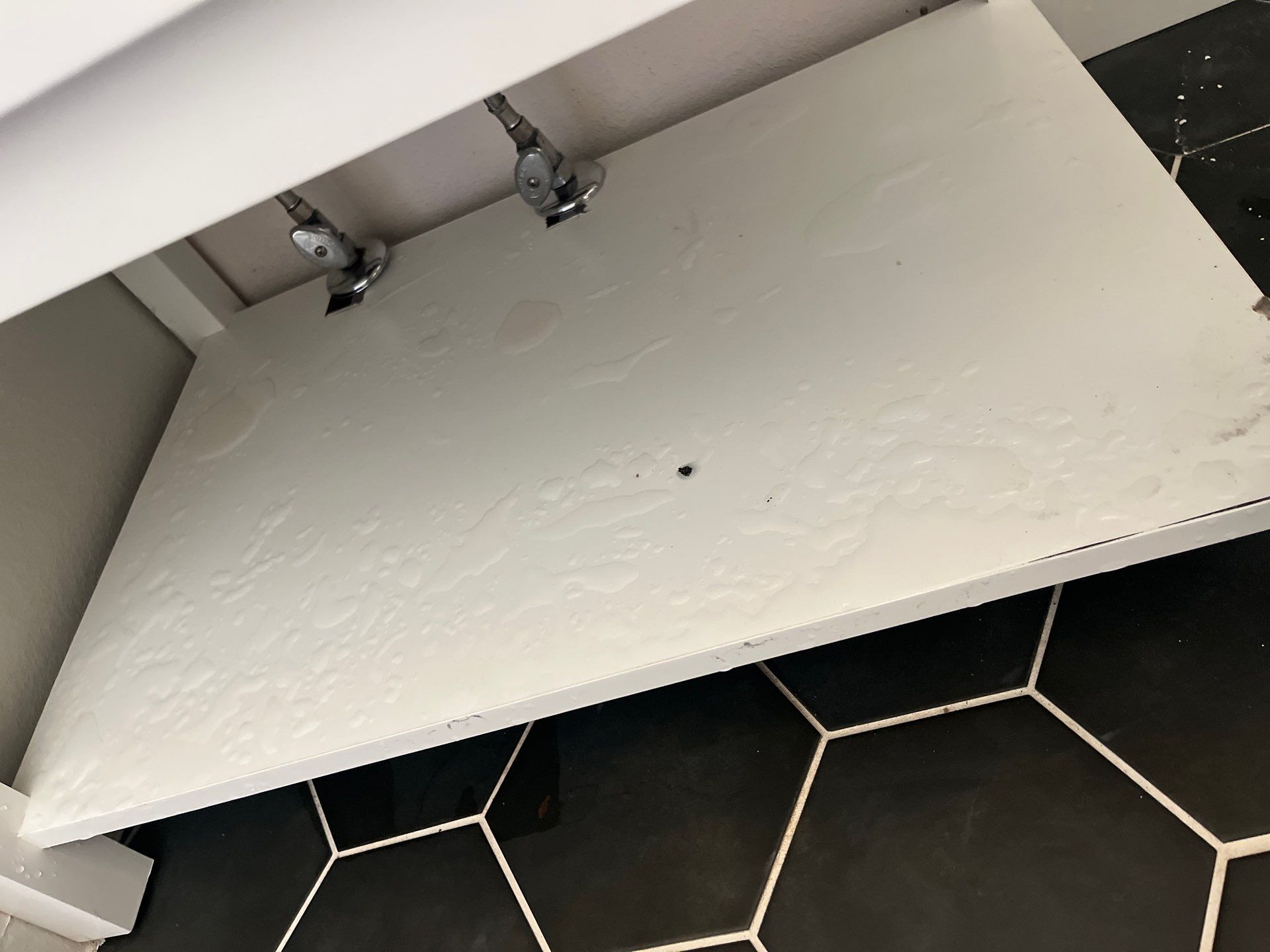
When our team arrived, the first thing we did was trace the water’s path. Moisture doesn’t just stay where you can see it. It migrates through materials, hides behind walls, and settles in places that are hard to reach. Using professional moisture meters, we documented readings throughout the affected areas, mapping exactly where the water had traveled.
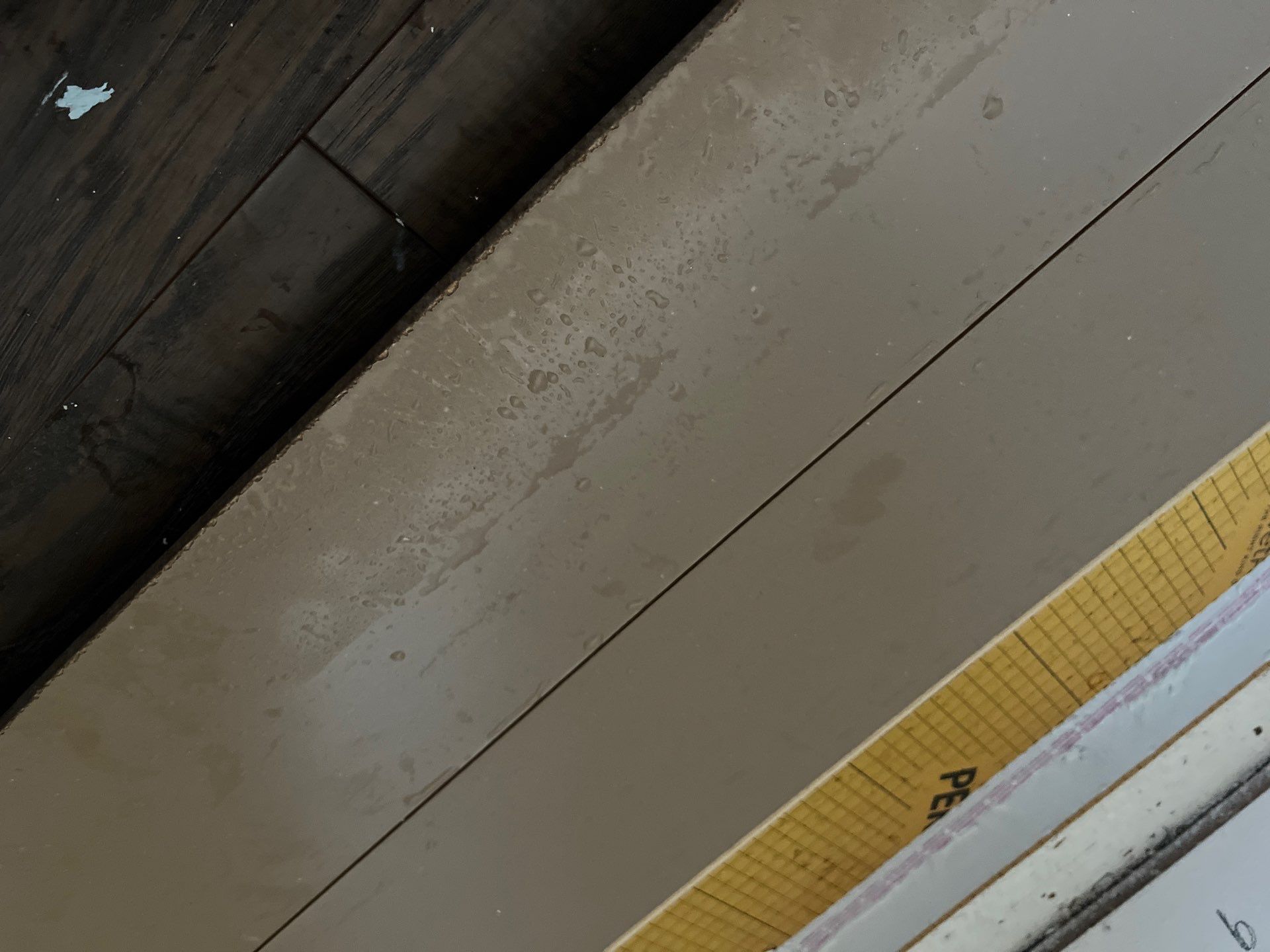
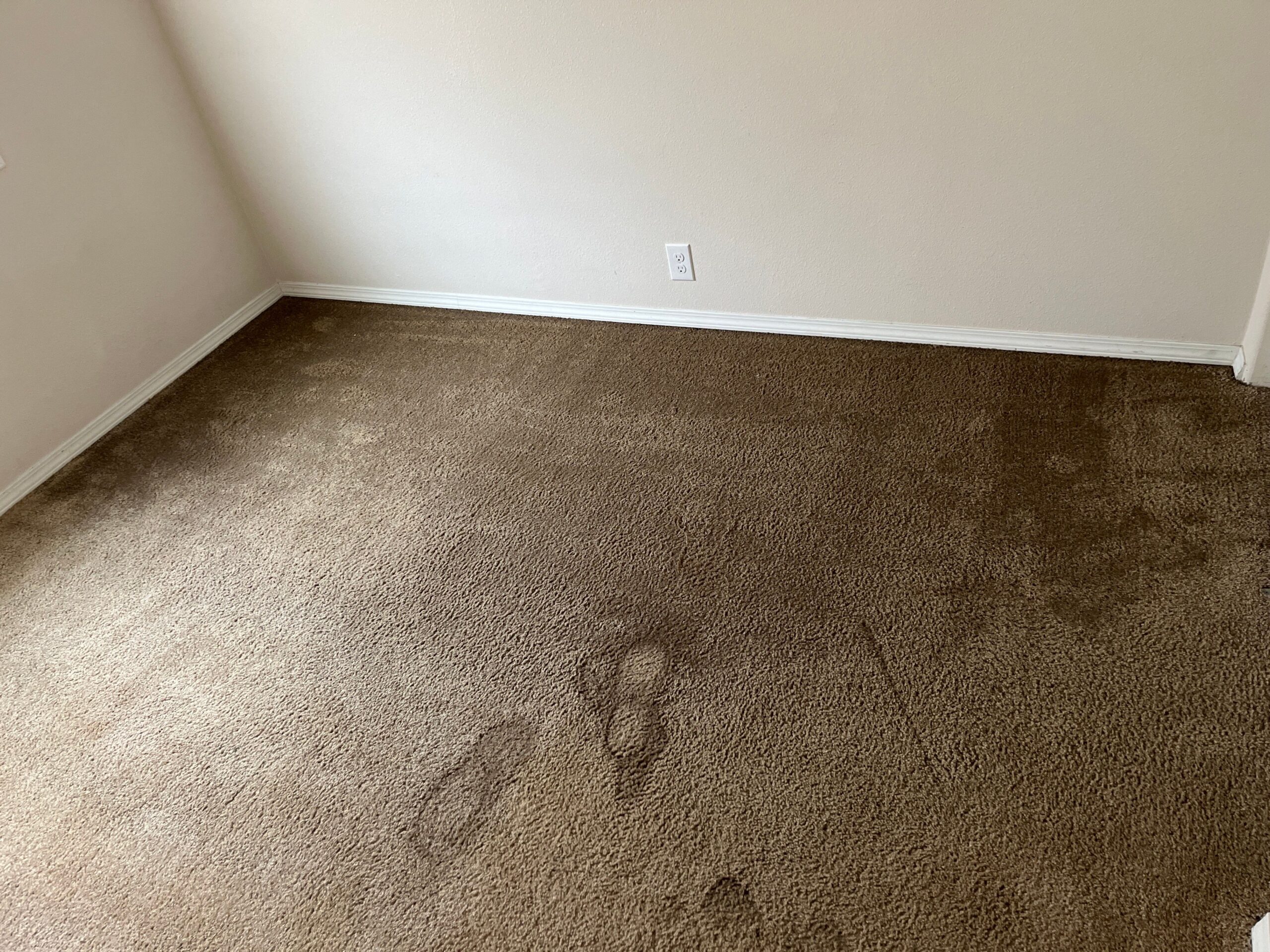
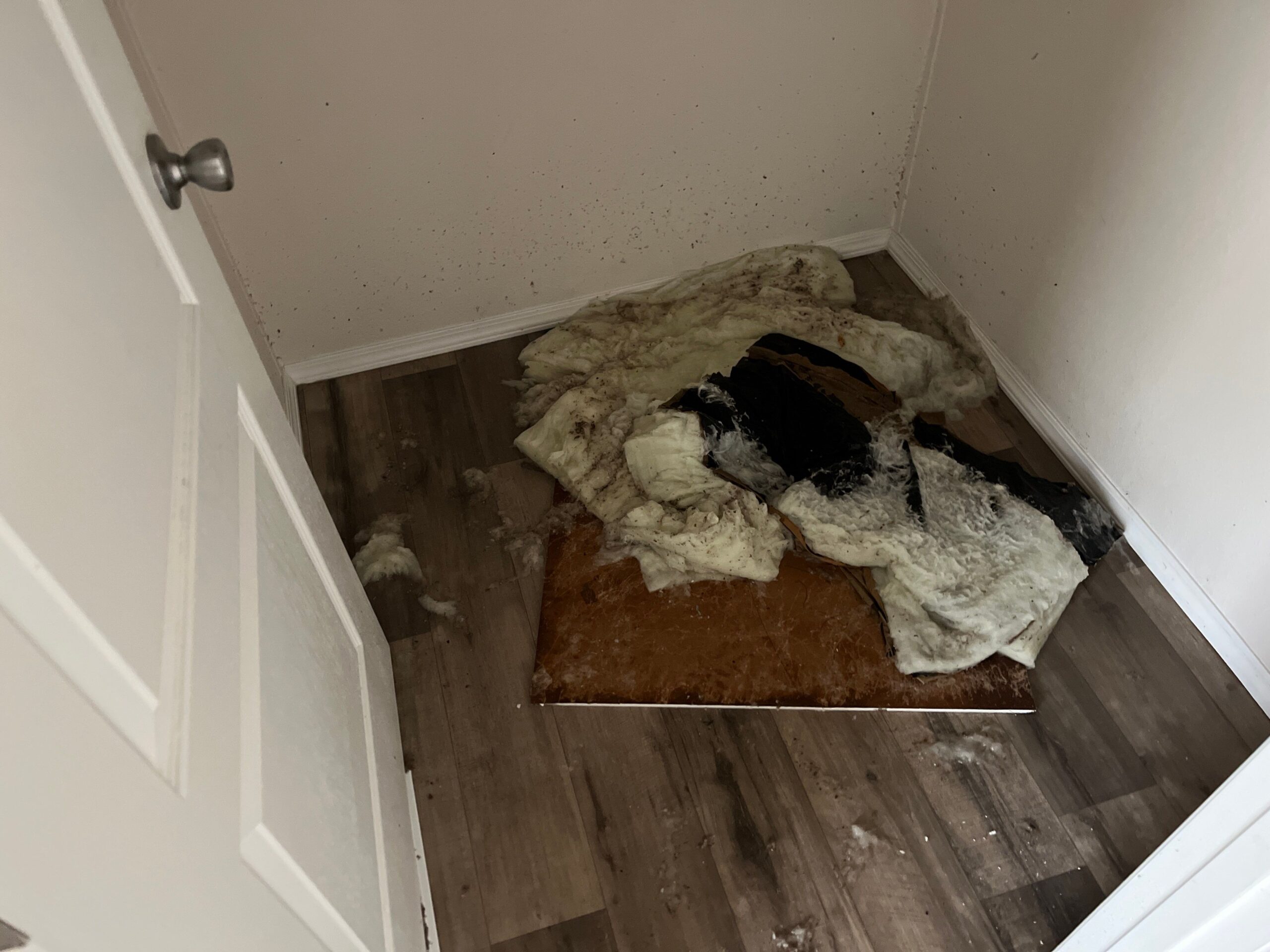
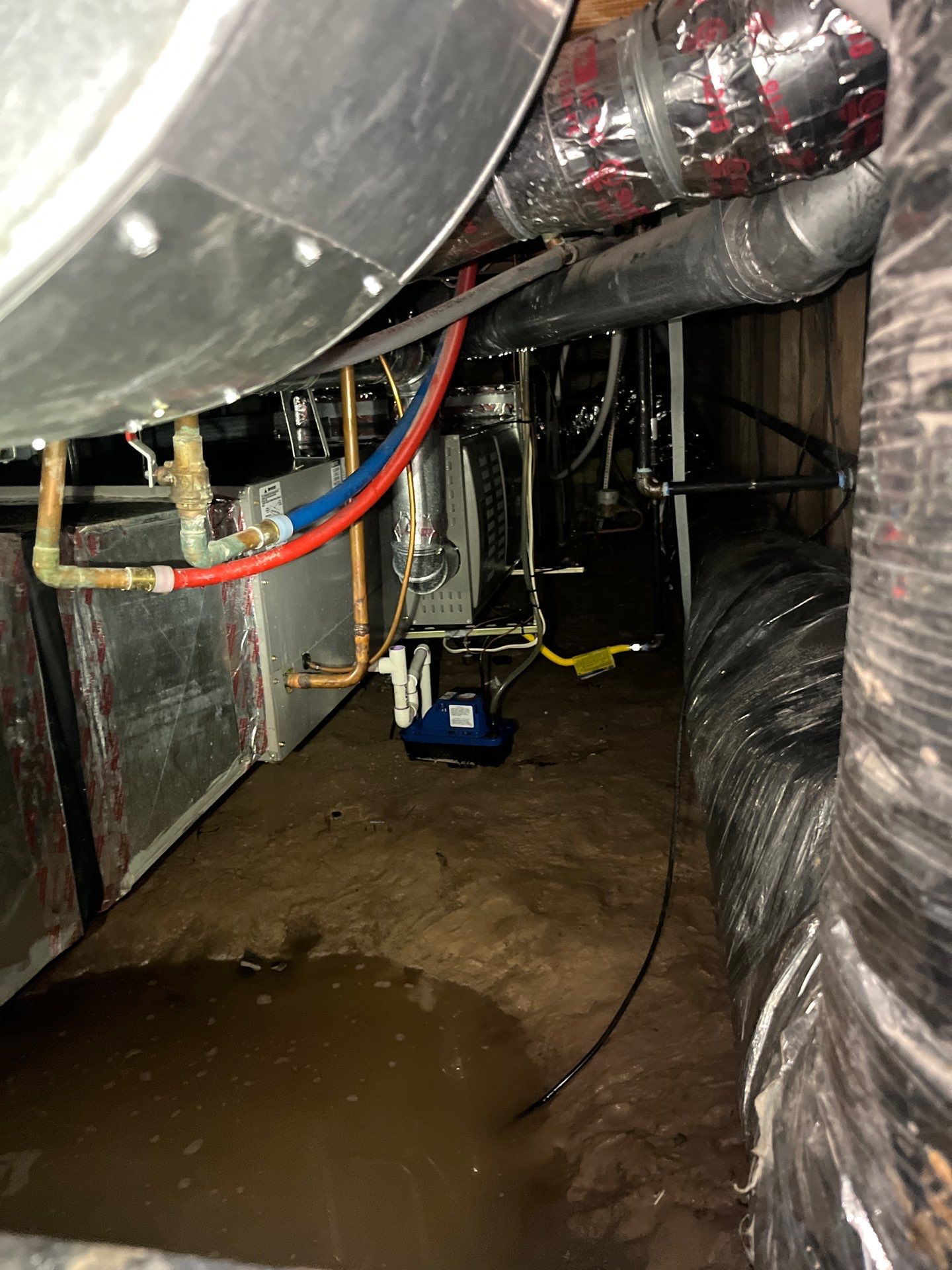
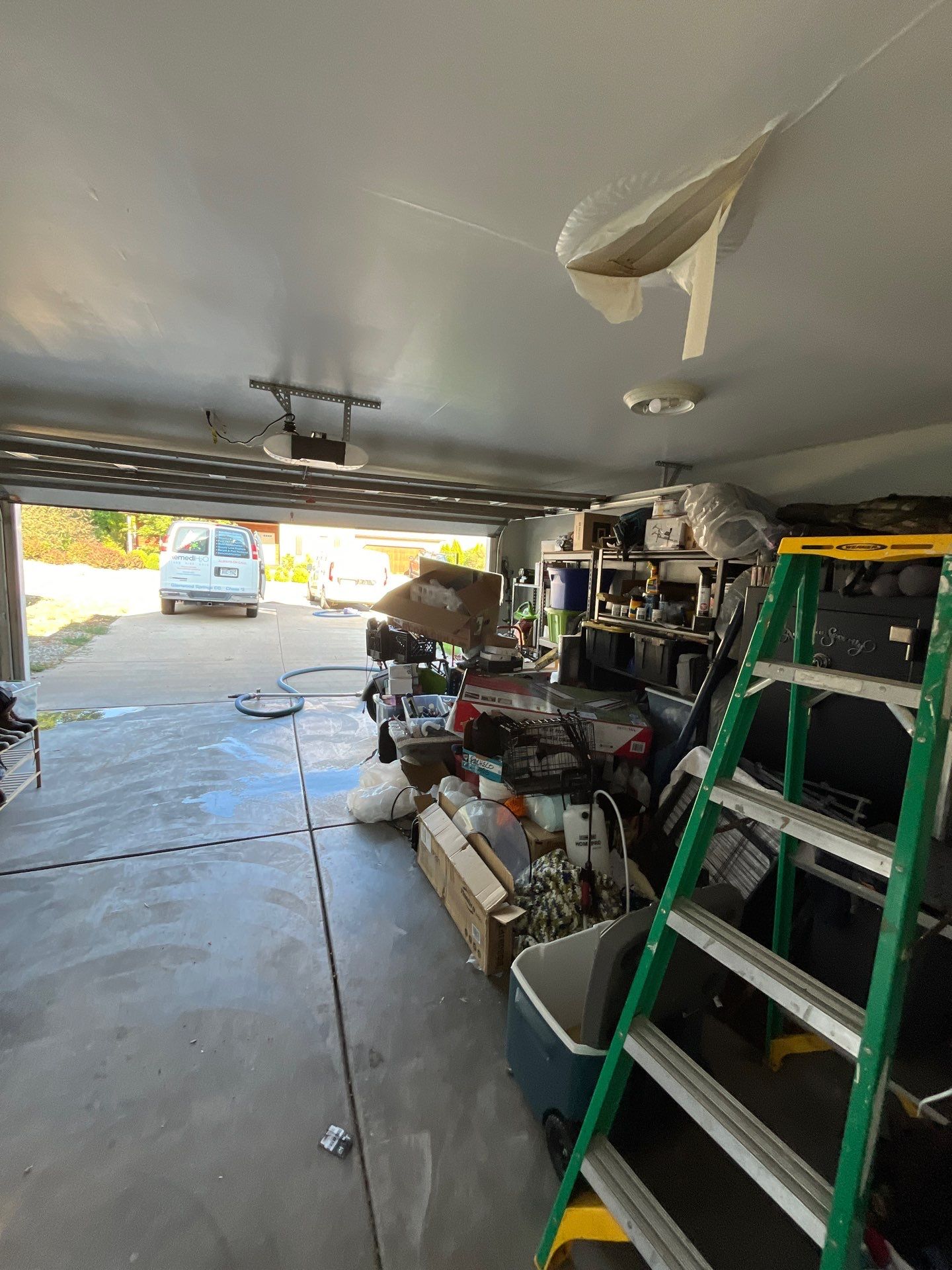
The ceiling showed obvious signs of saturation. Flooring in several rooms had absorbed water, and the carpet was soaked through to the padding. Down in the crawl space, standing water had accumulated near the HVAC equipment, and the insulation was completely saturated. According to IICRC S500 standards, water damage restoration needs to begin within 24 to 48 hours to prevent secondary damage like mold growth.
Water Extraction and Mitigation Process
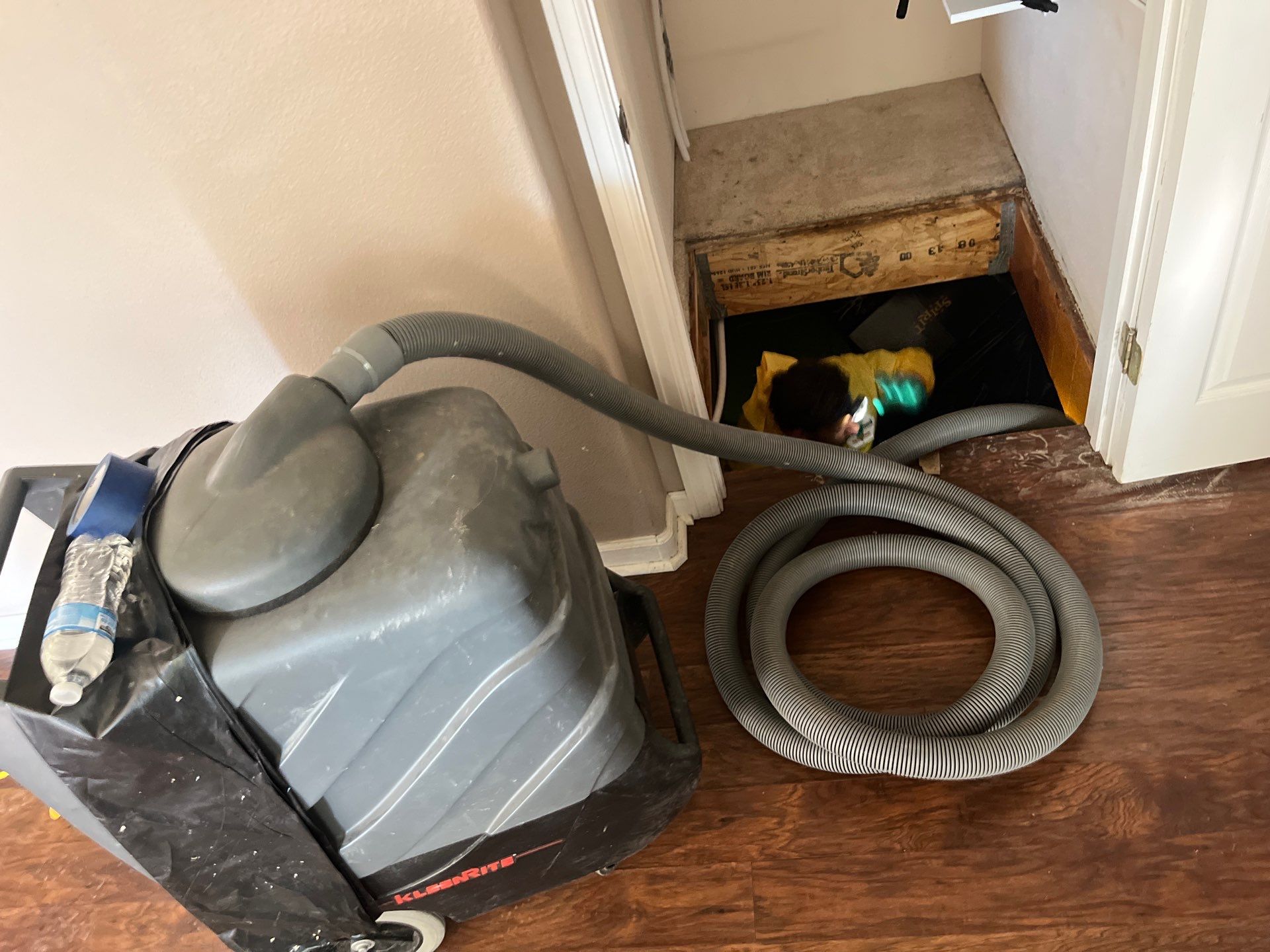
Speed matters with water damage. The longer moisture sits, the more damage it causes. Our first priority was extracting standing water from the crawl space, where it posed the greatest immediate risk to the home’s structural components and HVAC system.
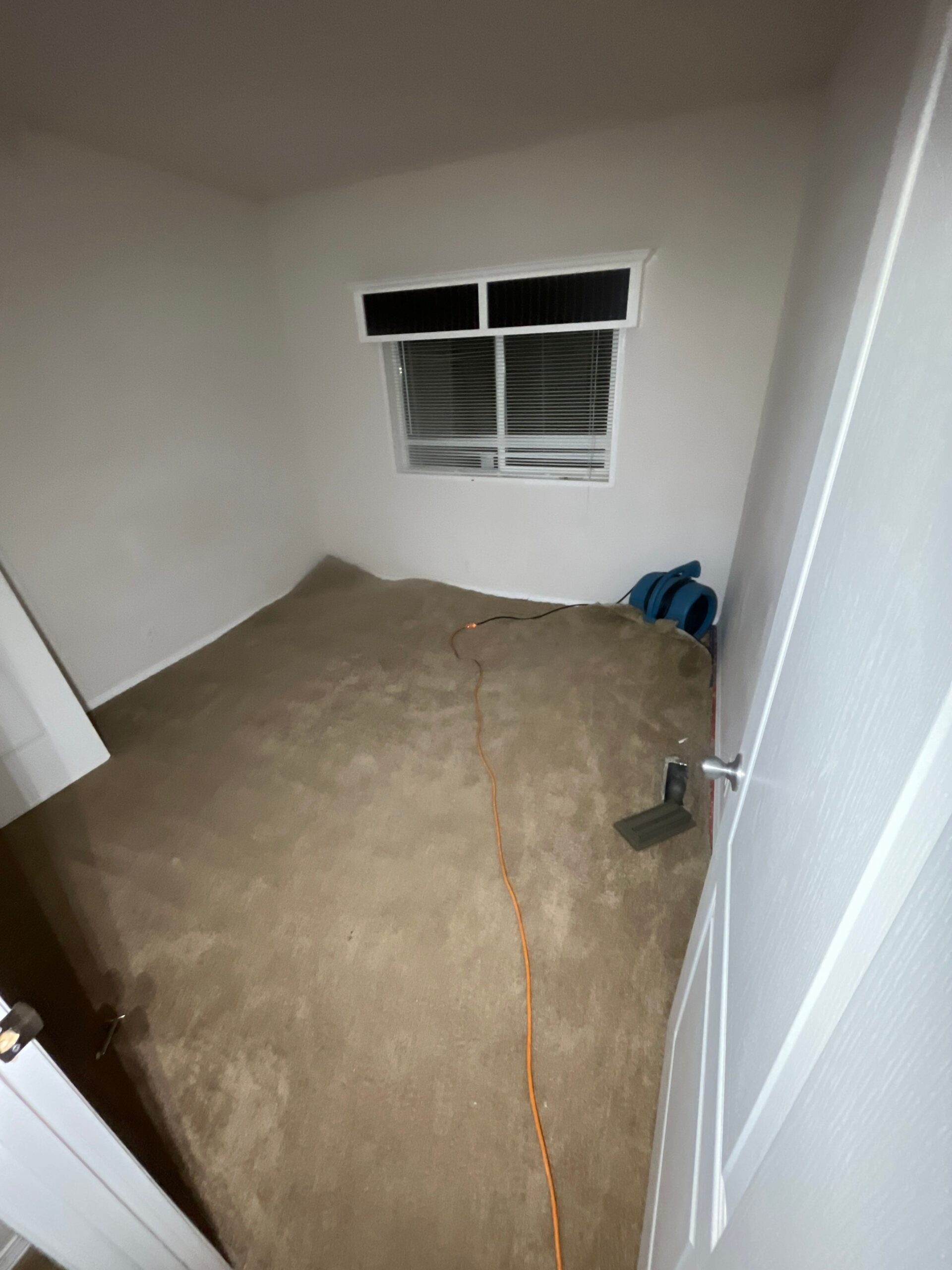
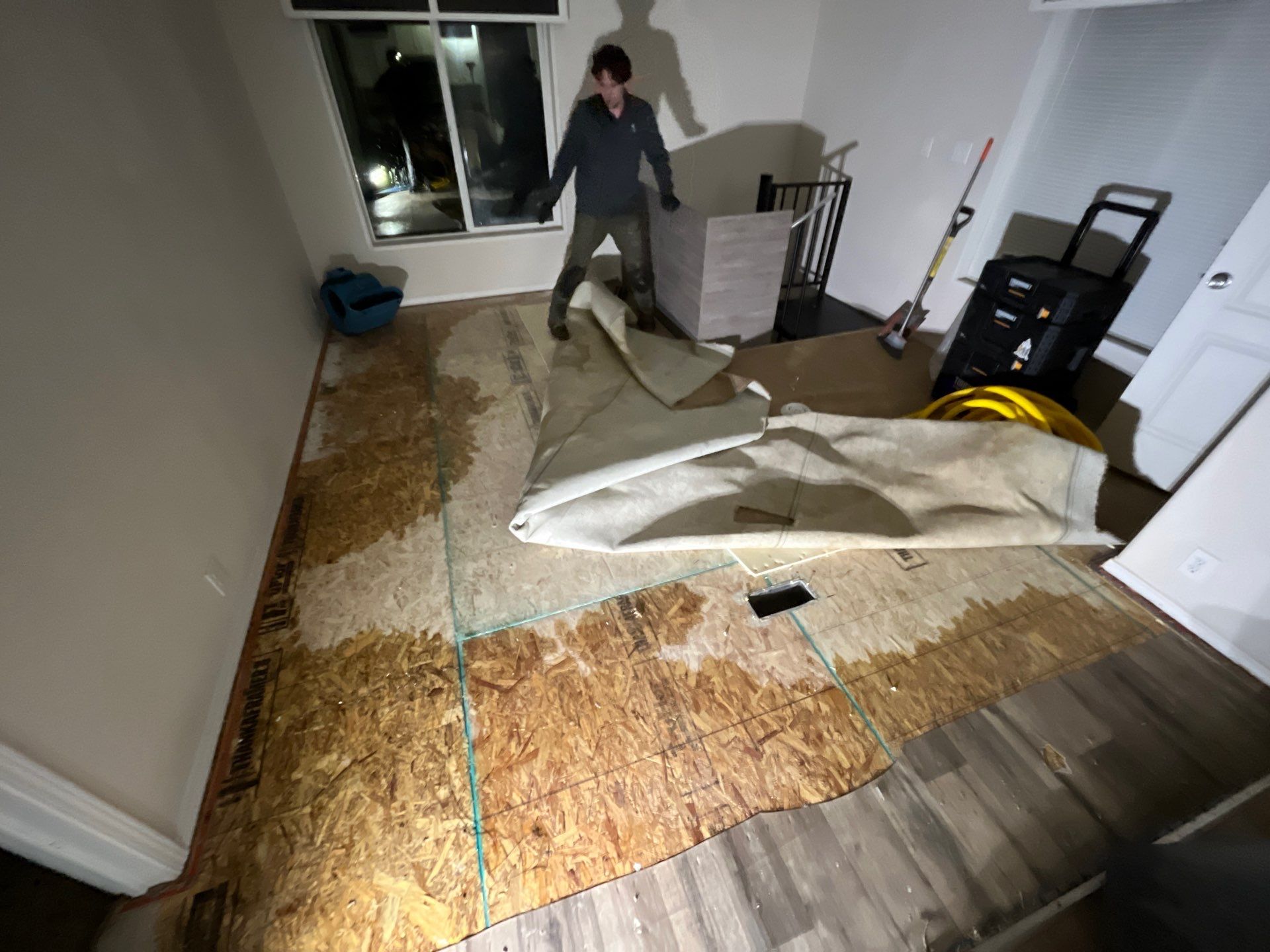
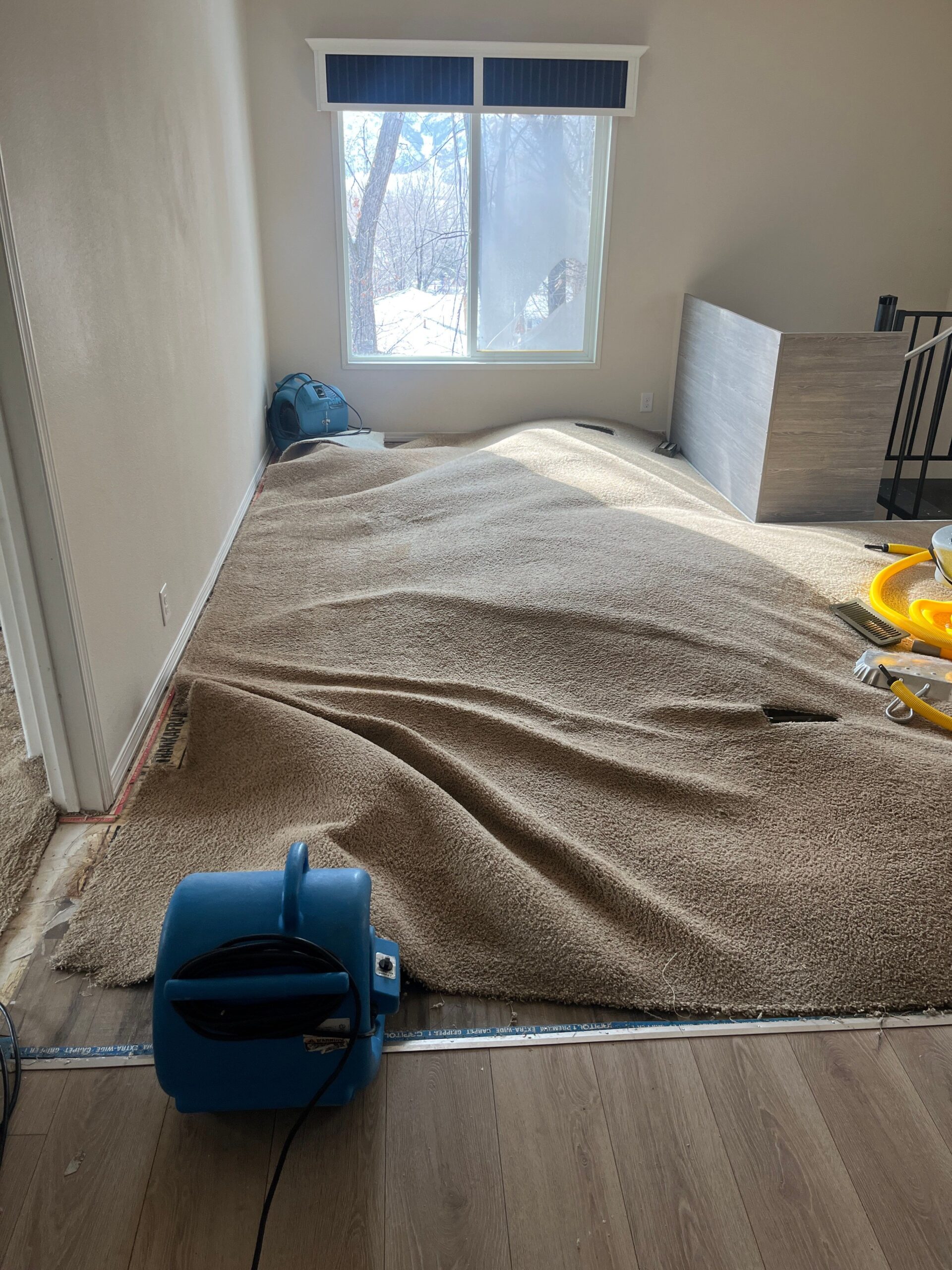
Upstairs, we pulled back the carpet and removed the saturated padding. This step is critical because padding acts like a sponge, holding moisture against the subfloor and creating conditions where mold can take hold within 48 to 72 hours. With the subfloor exposed, we could assess its condition and begin proper drying. For more details on how this process typically works, check out our guide on water damage restoration and insurance coverage in Colorado.
What We Removed
- Saturated carpet padding from multiple rooms
- Wet insulation from the crawl space
- Standing water near HVAC equipment
- Moisture trapped in ceiling materials
Structural Drying and Antimicrobial Treatment
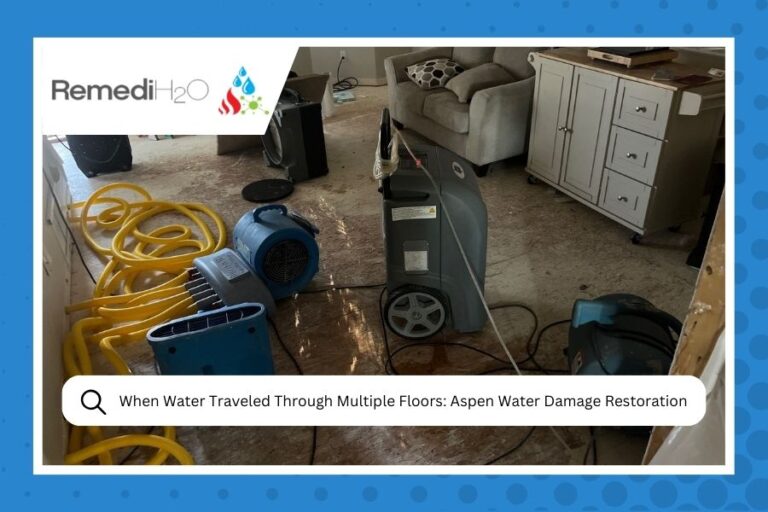
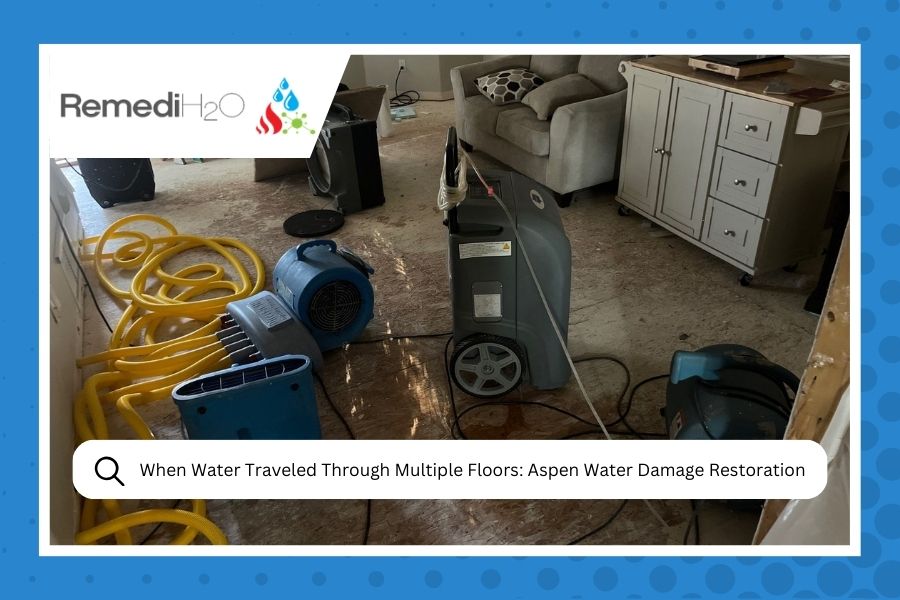
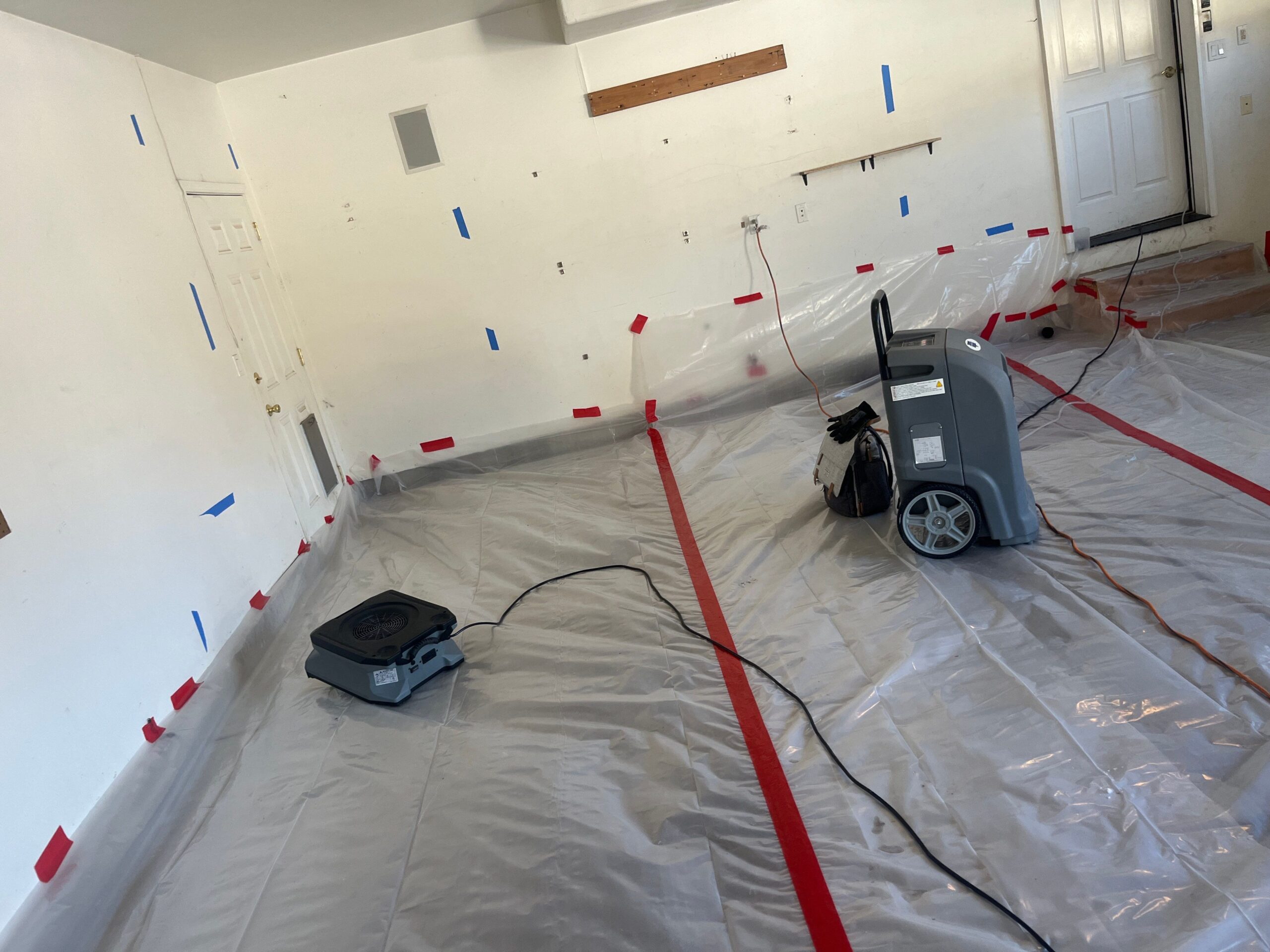
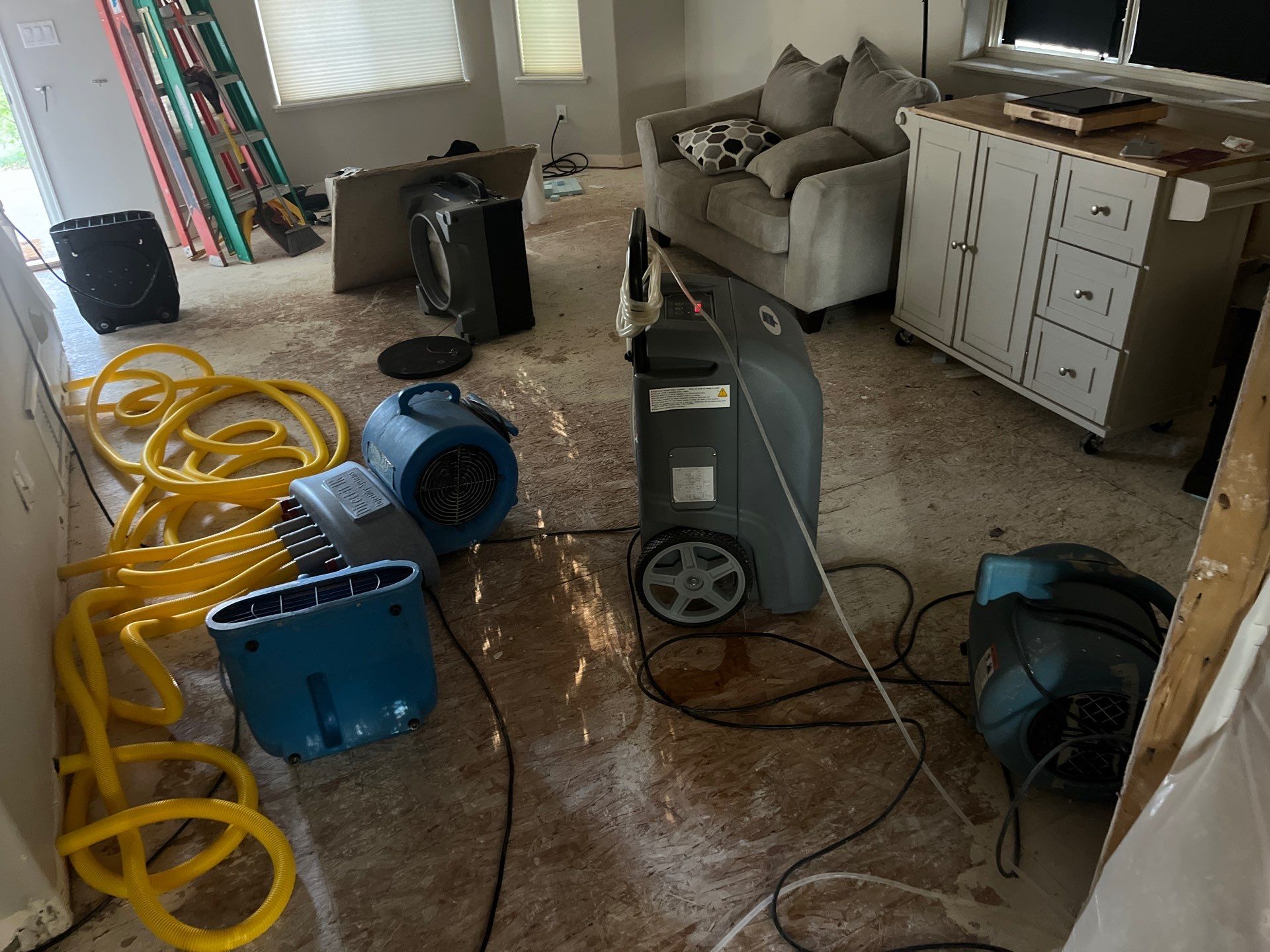
Once the standing water was gone and affected materials removed, we set up commercial air movers and dehumidifiers throughout the home. These aren’t the machines you rent from the hardware store. Professional grade equipment moves thousands of cubic feet of air per minute, pulling moisture out of building materials much faster than anything available to consumers.
We positioned equipment strategically in each affected area, including the crawl space. Drying a crawl space takes patience. The confined area, limited airflow, and proximity to soil moisture all complicate the process. But skipping this step would mean inviting mold growth and potential structural issues down the road.
Throughout the drying process, we applied antimicrobial treatment to all affected surfaces. The EPA recommends controlling moisture as the primary defense against mold, but antimicrobial treatment adds an extra layer of protection, especially in situations where water has been present long enough to create elevated risk.
Monitoring Progress
Water damage restoration isn’t a one day job. We returned daily to take moisture readings, adjust equipment placement, and track drying progress. Every material has a target moisture content, and we don’t consider the job complete until readings confirm that all materials have reached acceptable levels. Rushing this step leads to problems later, so we take the time to do it right.
Why Quick Response Matters in Mountain Communities
Living in the mountains means dealing with unique challenges. Higher elevation affects how quickly materials dry. Temperature fluctuations between day and night can complicate moisture control. And let’s be honest, getting professional help to remote properties isn’t always easy.
That’s why having a local mold remediation and water damage team matters. We know the Roaring Fork Valley, understand the specific challenges of high altitude restoration, and can respond quickly when emergencies happen. If you’re not sure what to do immediately after discovering water damage, our article on stopping water damage in 7 emergency steps walks you through those critical first moments.
The Outcome
After several days of monitored drying, all affected areas reached their target moisture levels. The crawl space was dry, the subfloors were ready for new flooring, and the home was protected from secondary damage. The homeowner could move forward with repairs knowing the underlying structure was sound.
Water damage is stressful. There’s no way around that. But having a team that shows up quickly, communicates clearly, and does the job right makes a real difference. That’s what we aim to provide with every call.
Dealing With Water Damage in Aspen or the Roaring Fork Valley?
Our IICRC certified team provides 24/7 emergency water damage restoration throughout Colorado’s Western Slope. We respond fast, work directly with insurance, and don’t stop until your home is properly dried and protected.
Call us at (970) 715-6990 for immediate assistance