Jump To:
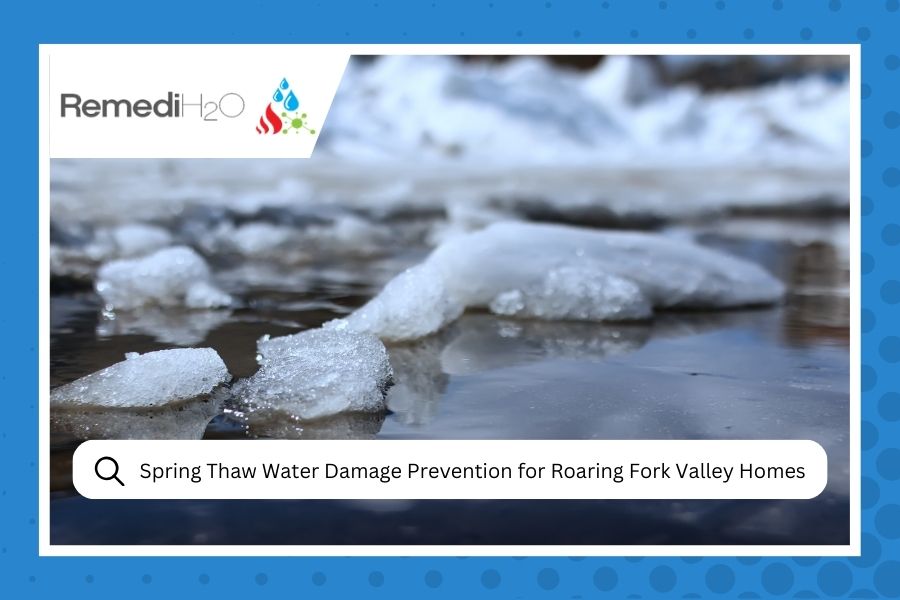
Spring in the Roaring Fork Valley brings warmer days, melting snowpack, and unfortunately, some serious risks to your home. The transition from winter to spring creates perfect conditions for water damage, and our team at RemediH2O sees a spike in emergency water restoration calls every year between March and May. Whether you live in Aspen, Carbondale, or Glenwood Springs, understanding how spring thaw affects your property can save you thousands in repairs. The good news? Most spring water damage is preventable with the right preparation.
Why Spring Thaw Is Particularly Dangerous for Mountain Homes
Snow doesn’t melt gradually and politely disappear. It melts in surges during warm afternoon hours, then refreezes overnight. This freeze-thaw cycle creates problems that winter itself didn’t cause.
When snow melts during the day, water flows toward your foundation, into gutters, and across your roof. When temperatures drop at night, that water freezes again, expanding and creating ice dams, blocked drainage, and foundation pressure. According to the Federal Emergency Management Agency (FEMA), snowmelt flooding is one of the most common causes of property damage in mountainous regions.
The Hidden Timeline Problem
Unlike a burst pipe that announces itself immediately, snowmelt intrusion is sneaky. It seeps into foundation cracks and saturates crawl spaces long before you see visible signs. By the time you notice water stains or musty smells, the damage has been developing for weeks.
Worried About Water Damage This Spring?
Our IICRC-certified team provides free inspections throughout the Roaring Fork Valley.
Common Types of Spring Water Damage in the Valley
After 25 years of combined experience serving homeowners from Grand Junction to Vail, we’ve seen spring thaw cause the same problems over and over.
Ice Dam Damage
Ice dams form when heat escaping from your attic melts snow on the roof. The meltwater runs down toward the eaves where it refreezes because the roof edge is colder. Over time, this creates a dam that traps water behind it, forcing it under your shingles and into your home. We’ve seen ice dam leaks destroy ceilings and create mold problems that homeowners didn’t discover until summer.
Foundation Seepage
When snow piled against your foundation melts, all that water flows toward your basement or crawl space. Foundation seepage is especially common in older homes throughout Carbondale, Basalt, and Glenwood Springs.
Sump Pump Failures
Your sump pump works harder during spring thaw than any other time of year. Sudden increases in groundwater can overwhelm systems that sat idle all winter.
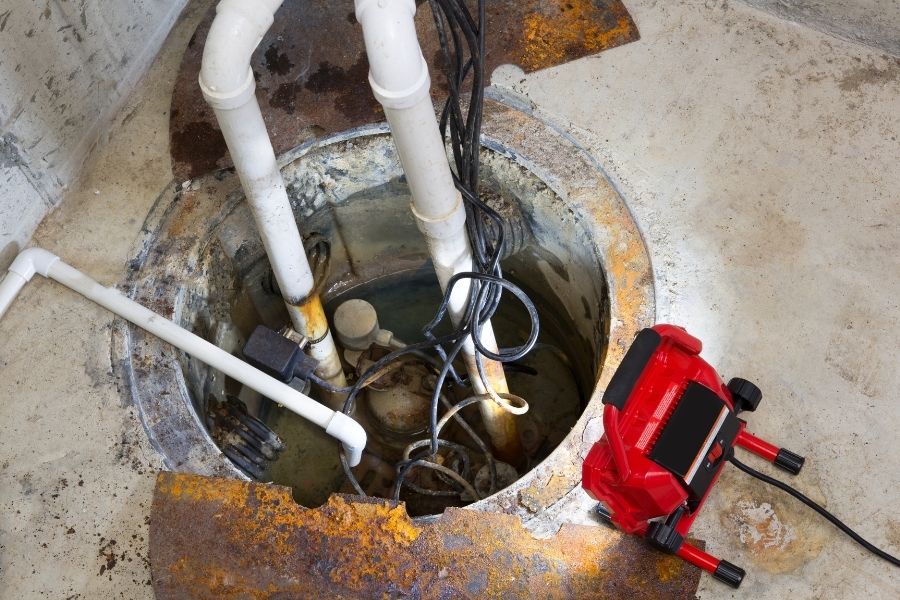
A well-maintained sump pump is your basement’s first line of defense against spring snowmelt.
Crawl Space Flooding
Crawl spaces are particularly vulnerable during thaw season. They sit at or below grade, often have inadequate drainage, and tend to be “out of sight, out of mind.”
Your Spring Thaw Prevention Checklist
Prevention doesn’t require expensive equipment or professional expertise. Here’s what every Roaring Fork Valley homeowner should do before and during thaw season.
| Task | When | Why It Matters |
|---|---|---|
| Clear gutters and downspouts | Before thaw | Blocked gutters cause foundation saturation |
| Test sump pump | Late February | Ensures pump is ready for increased groundwater |
| Check backup battery | Late February | Spring storm power outages are common |
| Clear snow from foundation | Before warm spells | Reduces water at basement |
| Inspect attic for ice dam signs | During thaw | Early detection prevents ceiling damage |
| Check crawl space | Weekly, March-May | Catches seepage before mold develops |
Gutter and Drainage Maintenance
Clean gutters are essential, but only part of the equation. Make sure your downspouts direct water at least six feet from your foundation. During heavy thaw periods, check that discharge areas aren’t frozen. If you notice icicles along your roofline, that’s a warning sign of potential ice dam formation.
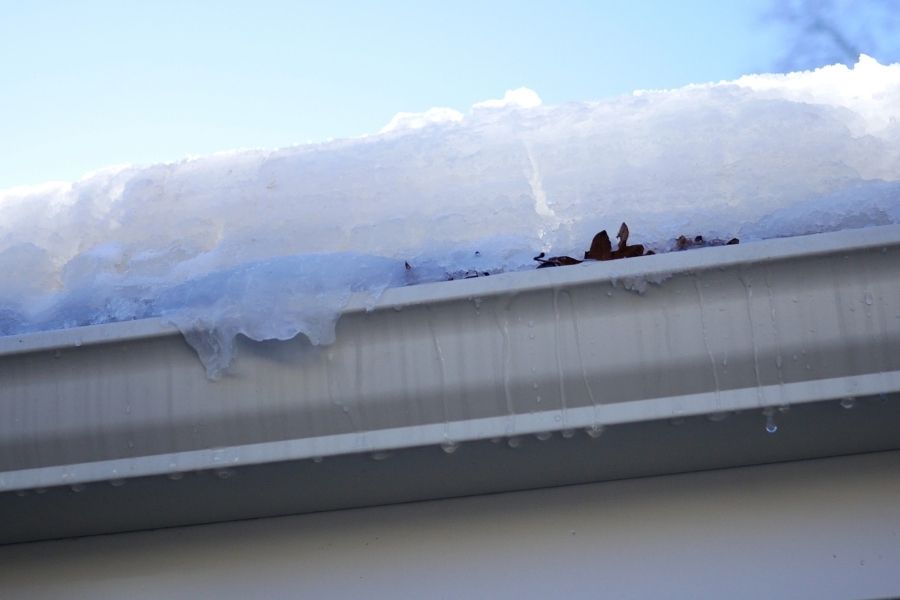
Clearing snow and debris from gutters before thaw season prevents overflow and foundation damage.
Foundation and Grading Checks
Walk around your home’s exterior and check the grading. The ground should slope away from your foundation on all sides. Also check window wells if you have basement windows, as these can fill with meltwater.
Interior Monitoring
Don’t wait until you see obvious water to check your basement and crawl space. During thaw season, inspect these areas weekly. Look for dampness on walls, condensation on pipes, and musty odors. A simple moisture meter can help you detect elevated moisture before damage becomes visible.
🏔️ Roaring Fork Valley Spring Thaw Facts
- Peak thaw period: Mid-March through early May
- Daily temperature swings: Often 30-40°F between day and night
- Most vulnerable: North-facing slopes and shaded foundations
- Critical window: Address water damage within 24-48 hours to prevent mold
When to Call for Professional Help
Some spring thaw situations are clearly DIY territory. A little dampness that dries with a dehumidifier? You can handle that. But certain situations require professional water damage restoration to prevent long-term problems.
Call Professionals When You Notice:
- Standing water in your basement or crawl space
- Water stains on ceilings, particularly under attic spaces
- Musty odors that don’t go away with ventilation
- Visible mold growth on walls, floors, or stored items
- Warped flooring or baseboards
- Sump pump running constantly or not at all
The Environmental Protection Agency (EPA) recommends that any mold growth larger than 10 square feet should be handled by professionals. For more guidance on recognizing water damage early, check out our guide on signs of water damage behind walls.
The 24-48 Hour Window
Once water intrudes into your home, you have roughly 24 to 48 hours before secondary damage begins. Mold can start growing within 24 hours in warm, damp conditions.
This is why our team at RemediH2O offers 24/7 emergency response throughout the Glenwood Springs area and the Roaring Fork Valley. If you’re unsure whether your situation qualifies as an emergency, call us.
For a real example of how spring water damage gets resolved, read our case study about a Glenwood Springs home’s recovery story.
Frequently Asked Questions
How do I know if my home has ice dam damage?
Look for water stains on your ceiling near exterior walls, especially under the roof edge. Peeling paint, blistering drywall, or damp insulation in your attic are also signs. Musty odors in upper floors during thaw season warrant investigation.
Can I prevent water damage if I’m away during spring thaw?
Before leaving, clear snow from your foundation, ensure gutters are clean, and test your sump pump. Consider installing water sensors that alert you remotely if moisture is detected. Have a neighbor check your home weekly during peak thaw season.
How long does spring thaw water damage take to dry out?
Professional drying typically takes 3 to 5 days depending on saturation and affected materials. DIY drying takes longer and often fails to address moisture in wall cavities. Incomplete drying almost always leads to mold growth within weeks.
Does homeowners insurance cover spring thaw water damage?
Coverage depends on the water source and your specific policy. Sudden damage from ice dam leaks or burst pipes is typically covered. Gradual seepage often is not. Document any damage thoroughly and contact your insurance company promptly. Our team works directly with adjusters to help streamline claims.
Ready to Protect Your Home This Spring?
RemediH2O provides 24/7 emergency water damage restoration throughout Colorado’s Western Slope and Roaring Fork Valley.