Winter in Colorado’s Western Slope brings its own challenges for homeowners, and mold growth is one of the sneakiest. You might think mold takes a vacation when temperatures drop, but tight homes, condensation on cold surfaces, and heating systems running nonstop create ideal conditions for it to thrive. If you’ve noticed something off in your home this winter, it might be time to consider professional mold remediation rather than reaching for the bleach bottle.
Small surface patches? Sure, handle those yourself. But when mold problems escalate, DIY methods often make things worse. Here are the signs your home needs professional help.
1. Visible Mold Growth Larger Than 10 Square Feet
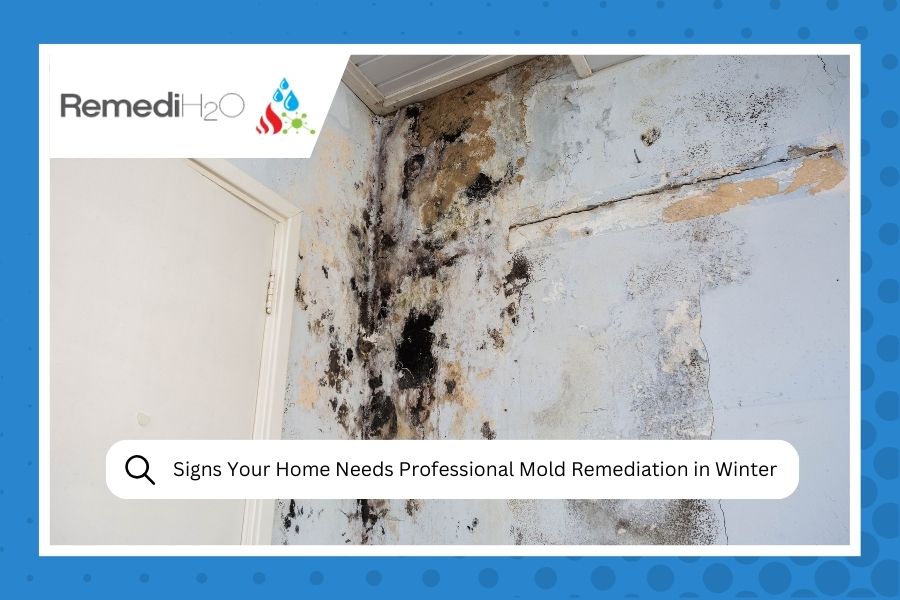
The EPA recommends homeowners tackle mold patches smaller than about 10 square feet on their own. Anything larger requires professional equipment and expertise. That’s roughly a 3×3 foot area, which sounds big until you realize mold rarely stays confined to one visible spot.
What you see on the surface is usually just the beginning. Mold colonies spread through walls, under flooring, and into insulation where you’d never think to look.
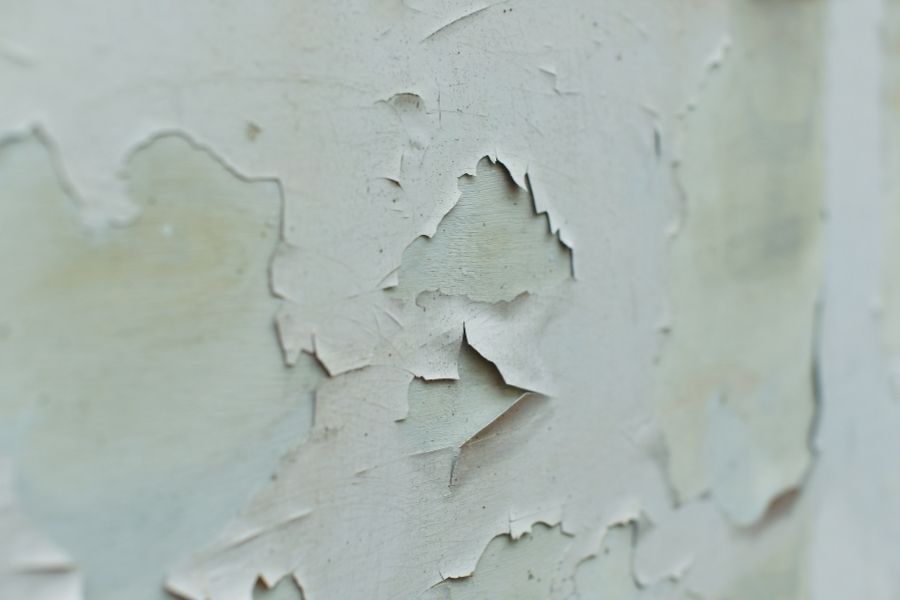
Peeling or bubbling paint often signals moisture trapped behind walls, creating hidden mold colonies.
2. Persistent Musty Odors You Can’t Locate
That earthy, damp smell isn’t your imagination. Mold produces microbial volatile organic compounds as it grows, and these have a distinctive musty odor. If you smell it but can’t find it, the mold is probably hiding somewhere you can’t easily access.
During winter, these odors become more noticeable because your home is sealed against the cold. Many homeowners in Glenwood Springs and throughout the Roaring Fork Valley first notice the problem when they come home after being away.
Smell Something Off This Winter?
Don’t let hidden mold damage your home or your health. Our IICRC-certified team provides free mold inspections throughout Colorado’s Western Slope.
3. Recurring Moisture Problems That Won’t Quit
Fixed that leak twice already? Still seeing water stains reappear? Recurring moisture issues signal something bigger is going on. Winter amplifies these problems because condensation forms on cold surfaces, and that moisture has nowhere to go.
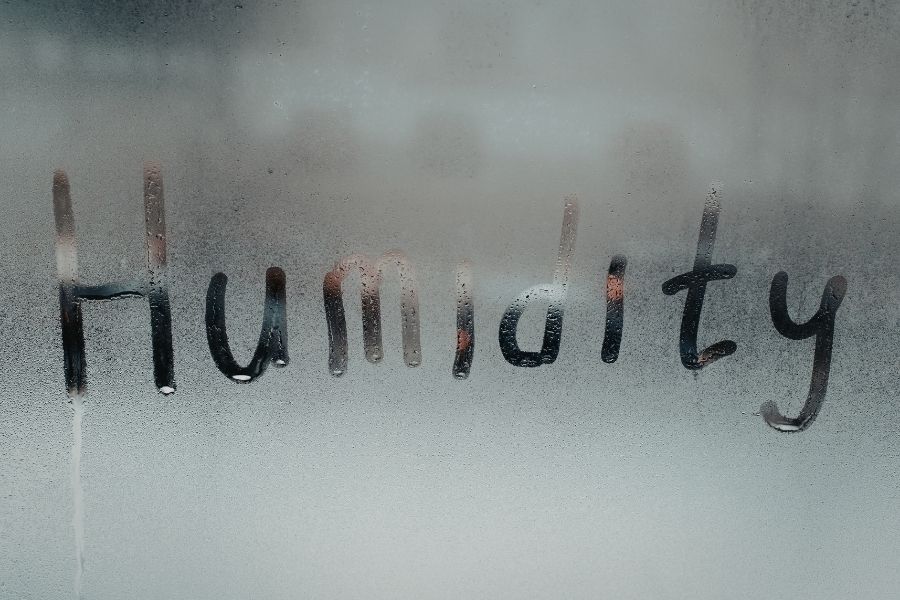
Heavy window condensation during cold months creates the moisture mold needs, especially around window frames.
Common winter moisture culprits include:
- Condensation on windows and cold exterior walls
- Ice dams causing water to back up under roofing
- Frozen pipes that have thawed and leaked
- Bathroom and kitchen humidity with nowhere to escape
When moisture keeps coming back, mold keeps growing. Professional remediation addresses both the mold and the moisture source, which DIY methods often miss. We’ve seen plenty of situations where homeowners cleaned visible mold only to have it return because the underlying water damage was never addressed.
4. Health Symptoms That Improve When You Leave Home
This one sneaks up on people. You might chalk up winter sniffles to cold season, but pay attention to when your symptoms appear. If respiratory issues, headaches, or allergy symptoms improve when you leave home and return when you come back, indoor air quality could be the culprit.
According to the CDC, mold exposure can cause stuffy nose, wheezing, red or itchy eyes, and skin irritation. Winter makes symptoms worse because you’re spending more time indoors with windows shut.
DIY vs. Professional Mold Remediation
| Situation | DIY | Pro |
|---|---|---|
| Small surface patch (under 10 sq ft) | ✓ | |
| Mold in HVAC or ductwork | ✓ | |
| Hidden mold behind walls | ✓ | |
| After water damage or flooding | ✓ | |
| Health symptoms linked to home | ✓ |
5. Signs of Structural Damage or Water Intrusion
Warped flooring. Bubbling paint. Soft spots in drywall. These aren’t just cosmetic issues. They signal that moisture has penetrated building materials, and where there’s moisture, there’s almost certainly mold. If you’ve experienced any water damage this winter, mold remediation should be on your radar.
Our team at RemediH2O has seen countless situations where homeowners thought they’d dried everything out, only to discover mold growth weeks later. Standard fans and dehumidifiers can’t reach moisture trapped inside walls and subfloors. IICRC-certified remediation teams use containment barriers, HEPA air filtration, and industrial-grade equipment to address what household tools simply cannot.
Understanding whether your insurance covers mold remediation can help you make the right decision. Many policies cover mold resulting from covered water damage events. Want to learn more about mold development? Read our guide on what black mold is and how it forms after water damage.
Frequently Asked Questions
Can I just use bleach to kill mold in my home?
Bleach can kill surface mold on non-porous materials like tile, but it doesn’t work on porous surfaces like drywall or wood. The water in bleach actually adds moisture that can feed mold roots beneath the surface. For growth larger than 10 square feet or on porous materials, professional remediation is safer and more effective.
How quickly does mold grow after winter water damage?
Mold can begin growing within 24 to 48 hours of water exposure. In winter, heated indoor spaces with trapped moisture create ideal conditions. That’s why addressing water damage quickly matters so much.
Does cold weather kill mold?
No. Cold temperatures cause mold to go dormant, but they don’t kill it. Once conditions warm up, dormant mold becomes active again. Indoor spaces stay warm enough for mold to grow year-round, which is why winter mold problems inside homes are common on Colorado’s Western Slope.
How do I know if the mold in my home is dangerous?
You can’t determine mold toxicity by color or appearance alone. Any mold growth can cause health issues depending on the species and your sensitivity. If you’re experiencing symptoms that improve when you leave home, or if you have visible mold larger than a small surface patch, professional assessment is worthwhile.
Worried About Mold This Winter?
RemediH2O provides 24/7 emergency mold remediation services throughout Colorado’s Western Slope and Roaring Fork Valley. Our IICRC-certified technicians offer free inspections and work directly with your insurance company.
Serving Aspen, Glenwood Springs, Silt, Rifle, Grand Junction, and surrounding communities.