Jump To:
Winter in Colorado’s Western Slope and Roaring Fork Valley brings more than beautiful snow. It brings frozen pipes, ice dams, and slow leaks that often go unnoticed for months. By spring, many homeowners discover an unwelcome guest: mold. If you experienced any water intrusion this winter, testing for mold should be at the top of your to-do list. Our team at RemediH2O has helped homeowners throughout Aspen, Silt, and Glenwood Springs identify mold issues that started with winter water damage. Understanding your testing options can help you protect your home and family.
Why Winter Water Issues Lead to Spring Mold Problems
Mold needs three things to grow: moisture, warmth, and organic material. Winter water damage creates perfect conditions. A frozen pipe that burst in January may have released water into wall cavities. Ice dams can force water underneath shingles and into attic insulation.
Here’s the tricky part. Mold can start growing within 24 to 48 hours of water exposure. But it often stays hidden behind walls, under flooring, or in crawl spaces. By spring, a small leak might have become a significant colony. The EPA recommends addressing water damage promptly and testing for mold if moisture was present for more than 48 hours.
Warning Signs That You Might Have Hidden Mold
Before you start testing, pay attention to what your senses are telling you. Your nose is actually a pretty reliable mold detector. A persistent musty or earthy smell, especially in basements or near exterior walls, often indicates mold even when you can’t see it.

That musty smell you notice when you walk into certain rooms? It could be mold hiding behind walls or under flooring.
Physical Signs to Watch For
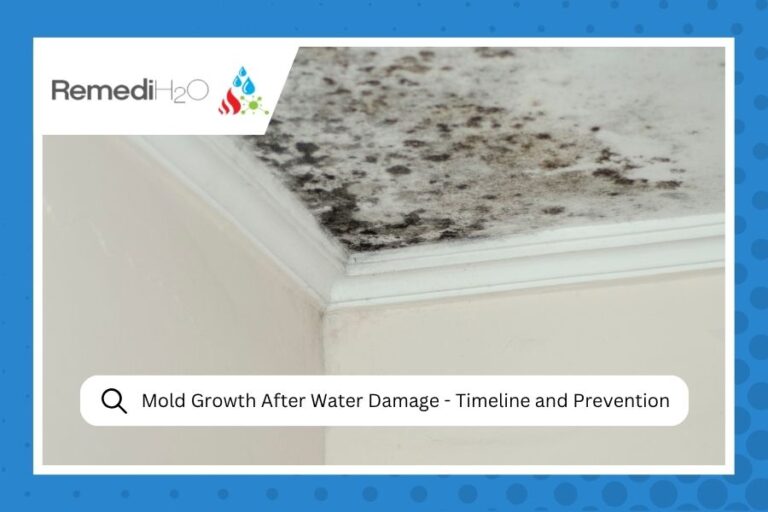
- Visible discoloration: Dark spots, fuzzy patches, or staining on walls
- Peeling or bubbling paint: This indicates moisture trapped behind the surface
- Warped flooring: Wood and laminate react to moisture before mold shows
- Allergy symptoms: Increased sneezing or respiratory irritation at home
Concerned About Mold After Winter Water Damage?
Our IICRC-certified team provides free mold assessments throughout the Roaring Fork Valley and Western Slope.
DIY Mold Detection Methods: What You Can Do Yourself
You have several options for checking your home for mold without calling professionals. These methods work best for visible mold in accessible areas.
Visual Inspection
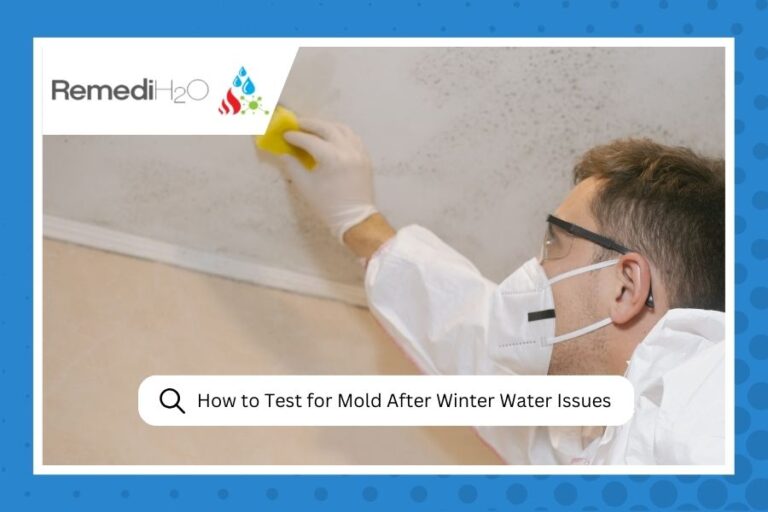
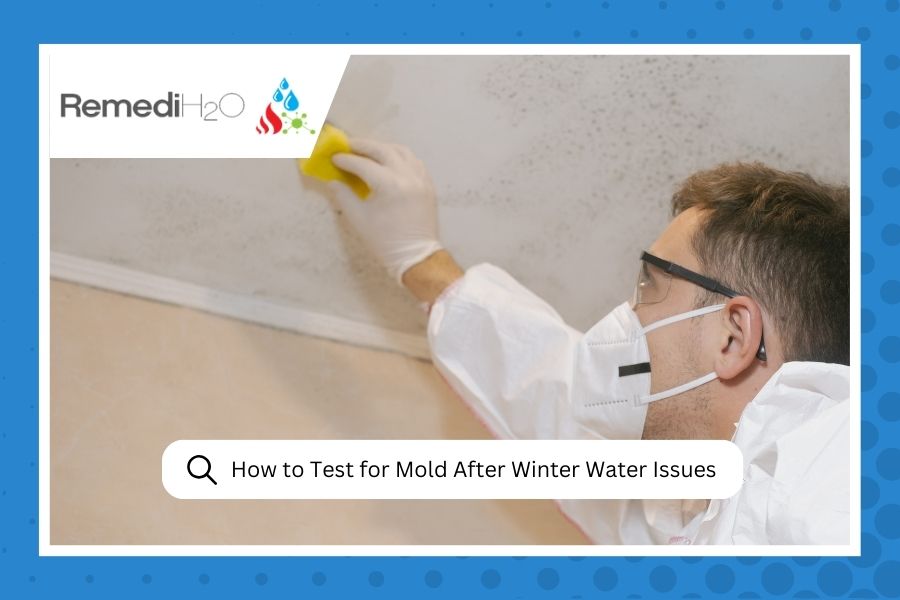
Start with a thorough walkthrough. Check all the places water may have traveled. Pay attention to areas behind furniture, inside closets, under sinks, and in your basement or crawl space. Document what you find with photos.
Home Mold Test Kits
Hardware stores sell mold test kits ranging from $10 to $50. Petri dish kits collect airborne spores over 24 to 48 hours. Surface sampling kits use tape or swabs to collect samples, which you send to a lab.
DIY Mold Test Kit Comparison
| Test Type | Cost | Limitations |
|---|---|---|
| Petri Dish (Air) | $10-$20 | Cannot identify type or concentration |
| Surface Swab | $20-$40 | Only tests specific spots you sample |
| Lab Analysis Kit | $30-$50 + lab | Results take 1-2 weeks |
Moisture Meters
Testing for moisture is almost as important as testing for mold. Pin-type and pinless moisture meters cost $25 to $100 and check moisture levels in walls and floors. Readings above 15 percent in wood warrant investigation.
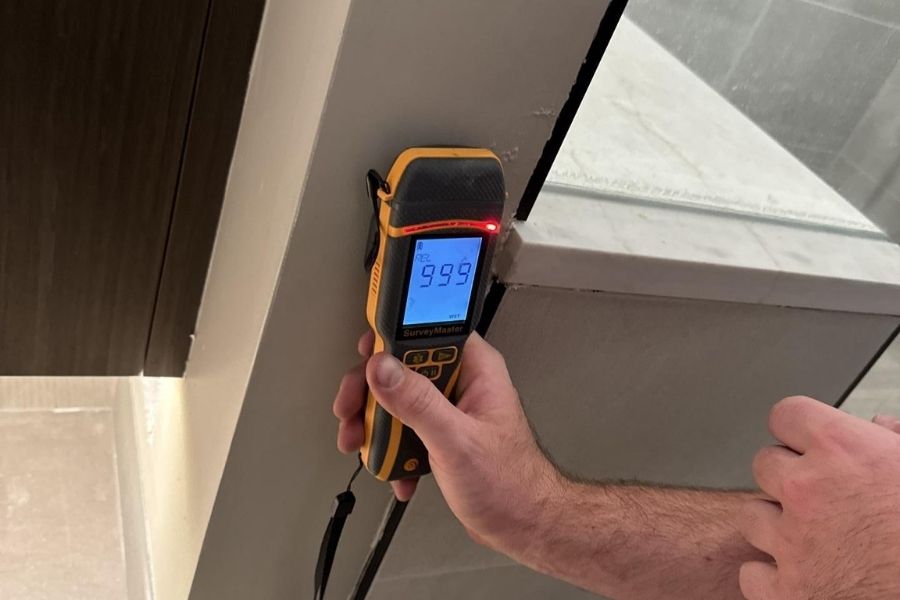
Moisture meters help identify areas where water may have penetrated building materials.
DIY methods work well for confirming visible mold. However, they cannot identify species or locate hidden mold behind walls.
When Professional Mold Assessment Makes Sense
Sometimes DIY testing isn’t enough. If you had significant water damage, if tests show elevated mold levels, or if family members have health symptoms, professional assessment provides answers that home kits cannot.
Situations That Call for Professional Help
- Water damage affected areas larger than 10 square feet
- Water sat more than 48 hours before cleanup
- You smell mold but cannot find the source
- Family members have respiratory symptoms
When our team conducts an assessment, we use thermal imaging cameras to reveal moisture patterns hidden behind walls. Professional assessments identify the extent of growth, locate hidden colonies, and determine whether professional mold remediation is necessary.
Note on Mold Testing in Colorado
Due to state regulations, restoration companies cannot perform air quality testing. However, professional assessments using moisture meters and thermal imaging identify most mold problems accurately.
What to Do After Finding Mold
Small mold patches under 10 square feet on non-porous surfaces can often be cleaned by homeowners. Scrub with soap and water, then apply a mold-killing solution. Fix the moisture source first. Larger or hidden mold requires professional remediation.
If you want to learn more, check out our guide on signs of water damage behind walls and black mold after water damage.
Questions About Mold After Winter Water Damage?
Our team provides free assessments throughout Glenwood Springs and surrounding communities. With over 25 years of combined experience, we help you understand what you’re dealing with.
Call (970) 715-6990 or contact us online to schedule your free assessment.