Jump To:
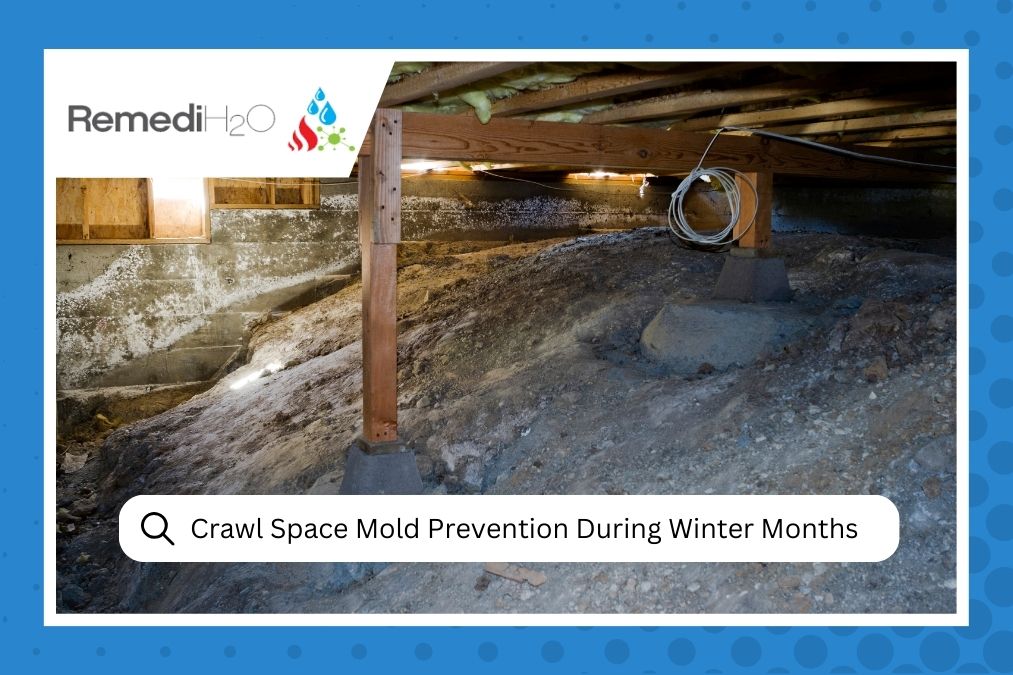
Here’s something most homeowners don’t realize: winter is actually peak season for crawl space mold problems across Colorado’s Western Slope. While you’re bundled up inside, moisture quietly accumulates beneath your home. The good news? A few prevention strategies can protect you all season. If you’re already seeing signs of mold, our professional mold remediation services can stop the damage before it spreads.
At RemediH2O, we’ve responded to countless crawl space mold situations from Aspen to Grand Junction. Most problems are preventable with the right knowledge.
Why Winter Is Prime Time for Crawl Space Mold
Cold weather creates a perfect storm for below-grade moisture problems. Warm air from your heated living spaces rises and escapes through the floor, meeting cold crawl space air. This temperature difference causes condensation on pipes, joists, and subflooring.
Add melting snow seeping toward your foundation, and you’ve got consistent moisture accumulation. According to the EPA’s guidance on mold and moisture, mold can begin growing within 24 to 48 hours when humidity exceeds 60%.
The Winter Moisture Cycle in Your Crawl Space
| 1. Heat Rises Warm indoor air moves down through floor gaps | 2. Cold Meets Warm Temperature difference creates condensation | 3. Moisture Builds Humidity rises above 60% threshold | 4. Mold Grows Spores colonize wood and insulation within 48 hours |
Warning Signs You Shouldn’t Ignore
Catching moisture problems early makes all the difference. Watch for these during winter:
- Musty odors coming through floor vents or near the crawl space access
- Increased allergy symptoms among household members
- Condensation on windows on lower floors, especially mornings
- Warped or cupping hardwood floors that shift with temperature changes
- Cold spots suggesting insulation has become damp
If you notice these signs, shine a flashlight into your crawl space entry point. You don’t need to crawl in, but a quick look can reveal visible mold, standing water, or damaged insulation.
Not Sure What You’re Looking At?
Our IICRC-certified technicians can assess your crawl space and identify moisture problems before they become costly repairs.
Your Winter Prevention Checklist
These steps address the most common moisture sources in Colorado mountain homes:
Exterior Drainage and Grading
Snow melt is a major culprit for crawl space moisture. Ensure ground slopes away from your foundation at minimum six inches over the first ten feet. Clear gutters before snowfall and extend downspouts at least four feet from the foundation.
Insulate Exposed Pipes
Pipes running through your crawl space are condensation magnets in winter. Wrapping them with foam insulation prevents the temperature differential that causes water droplets to form. This also protects against frozen pipes, which is a bonus for anyone who’s dealt with winter water damage in a mountain home.
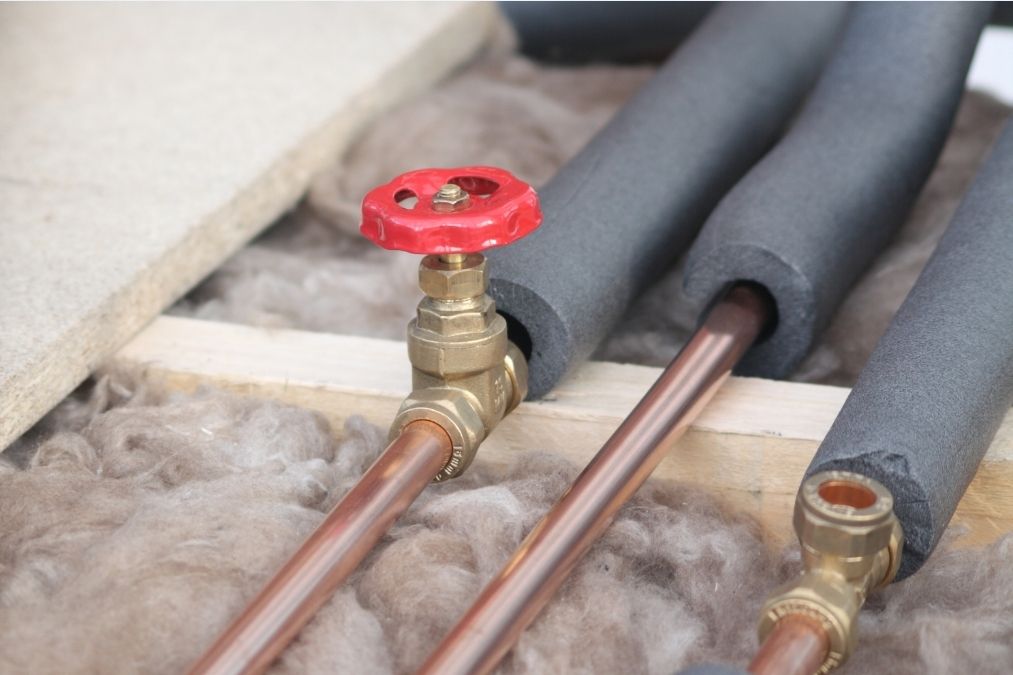
Foam insulation on exposed pipes prevents condensation and protects against freezing, addressing two common winter problems at once.
Seal Air Leaks
Check for gaps around pipes, wires, and ductwork penetrating crawl space walls. These openings allow warm, moist air into the cold space. Expanding foam can seal most problem areas.
Improve Ventilation (When Appropriate)
Traditional vents can actually worsen moisture problems during winter by bringing in humid air that condenses on cold surfaces. In many mountain homes, closing vents during cold months and relying on vapor barriers provides better control.
Vapor Barriers and Encapsulation
For homes with persistent moisture issues, encapsulation is the most effective long-term solution. This involves installing a heavy-duty vapor barrier (12-20 mil polyethylene) across the crawl space floor and up foundation walls.
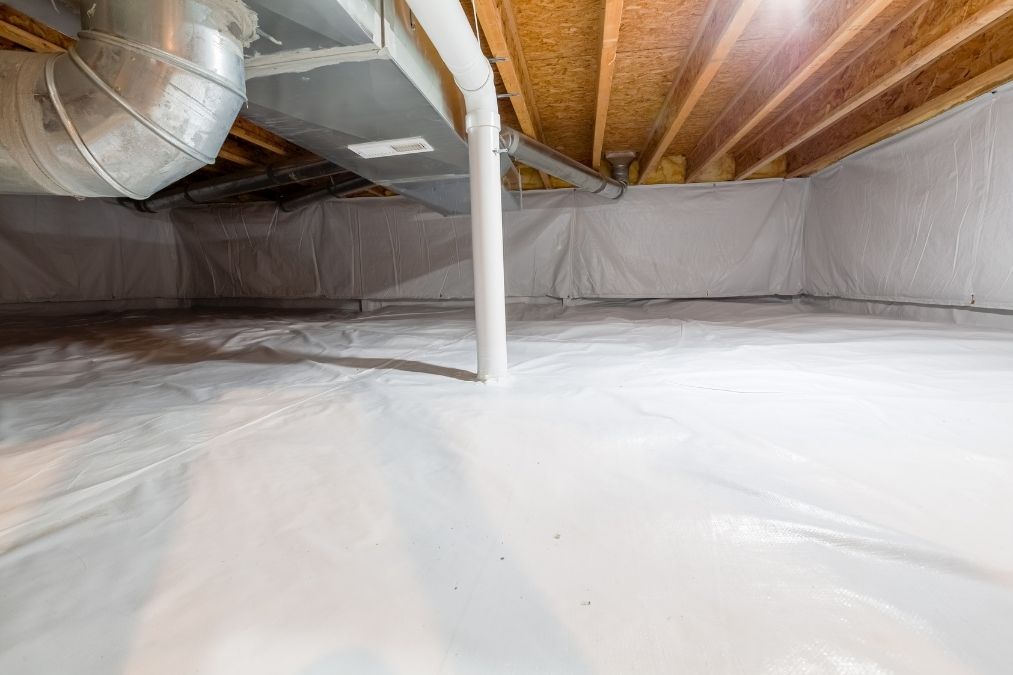
Full encapsulation creates a sealed environment that blocks ground moisture and allows for controlled humidity levels year-round.
A properly encapsulated crawl space with a dehumidifier can maintain humidity between 30% and 50%, well below mold’s threshold. The Department of Energy’s weatherization guidelines recommend this approach for homes with significant temperature swings like ours on the Western Slope.
When to Call the Professionals
Some crawl space situations require professional intervention:
- Visible mold growth covering more than a few square feet
- Standing water that doesn’t dry between storms
- Structural damage to floor joists or subflooring
- A strong, persistent musty smell
- Waterlogged or contaminated insulation
These situations often indicate moisture problems beyond what preventive maintenance can address. The team at RemediH2O brings IICRC-certified expertise and commercial-grade equipment to properly remediate affected areas. We serve homeowners throughout the Glenwood Springs area and across Colorado’s Western Slope.
Our approach starts with identifying the moisture source, not just treating the mold. Curious about what mold looks like in its early stages? Our article on black mold formation after water damage explains how different mold types establish themselves.
DIY vs. Professional Crawl Space Mold Solutions
| Situation | DIY Okay | Call a Pro |
|---|---|---|
| Mold area | Under 10 sq ft | Over 10 sq ft |
| Water source | Fixed | Unknown |
| Structure | Surface only | Joists affected |
Frequently Asked Questions
Can I prevent crawl space mold just by running a dehumidifier?
A dehumidifier helps, but it’s not a standalone solution. Without addressing moisture entry points like foundation cracks and ground vapor, a dehumidifier works continuously against an endless moisture supply. Combine humidity control with vapor barriers and drainage improvements for lasting results.
Should I keep crawl space vents open or closed during winter?
In most mountain homes, closing vents during winter provides better moisture control. Open vents bring in cold, humid air that condenses on warmer surfaces. Encapsulated crawl spaces with conditioned air don’t need traditional vents at all.
How quickly can mold spread in a crawl space during winter?
Mold can establish visible colonies within 24 to 48 hours once humidity exceeds 60%. During winter, consistent condensation maintains these conditions for weeks, allowing mold to spread across subflooring and support beams before homeowners notice symptoms.
Does crawl space mold affect indoor air quality?
Yes. The stack effect draws air upward through your home, and 40% to 50% of first-floor air originates from the crawl space. Mold spores and musty odors from below can significantly impact indoor air quality, triggering allergies and respiratory irritation.
Protect Your Home This Winter
Need a crawl space inspection or mold remediation? Our team at RemediH2O helps homeowners across Colorado’s Western Slope.