Jump To:
Frozen pipes cause over $500 million in property damage annually across the United States. At RemediH2O, we’ve responded to hundreds of water damage emergencies throughout Colorado’s Western Slope, and many start with homeowners missing early warning signs. Catching frozen pipes early can save you thousands in repair costs.
Most homeowners don’t realize their pipes are frozen until water stops flowing. By then, damage may already be spreading behind your walls. Let’s walk through how to spot the warning signs before a small freeze becomes a major flood.
Early Warning Signs Your Pipes Are Freezing
Your home gives clear signals when pipes start freezing.
Reduced water flow is your first clue. Turn on faucets throughout your house. Does water trickle instead of flowing normally? That’s ice restricting flow inside the pipe. According to the National Weather Service, pipes begin freezing when temperatures drop below 20°F, especially in unheated areas.
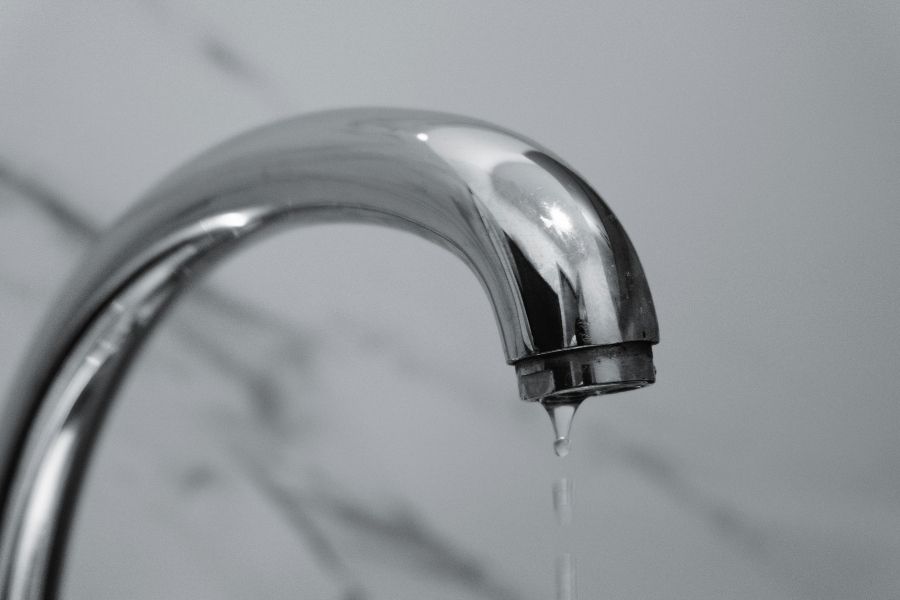
Weak water flow often indicates ice buildup inside pipes
Strange sounds mean trouble. Listen for banging, clanking, or gurgling when you turn on water. These noises happen when ice blocks create pressure changes.
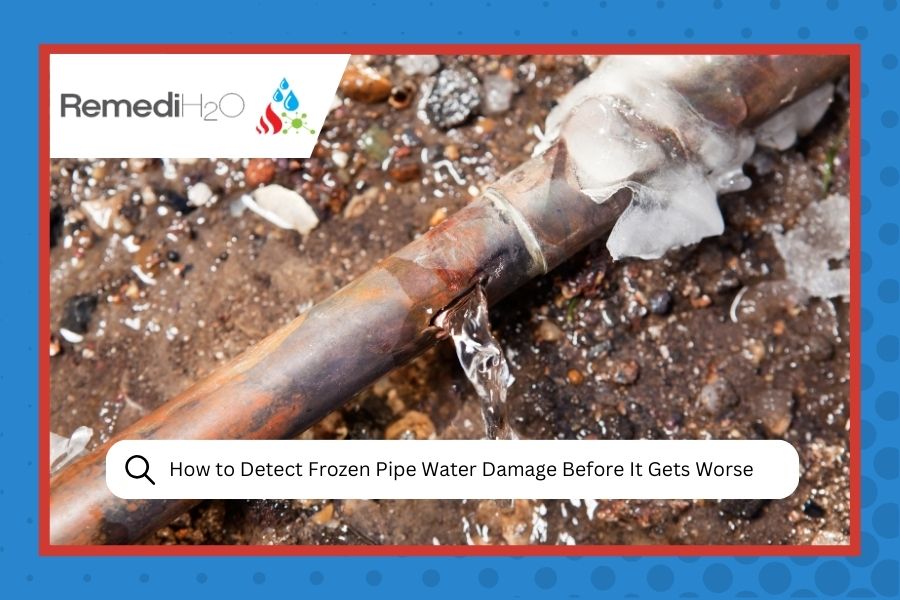
Frost on exposed pipes is critical. Check pipes in your basement, crawl space, and along exterior walls. See white frost or condensation? That pipe is already freezing. Act immediately.
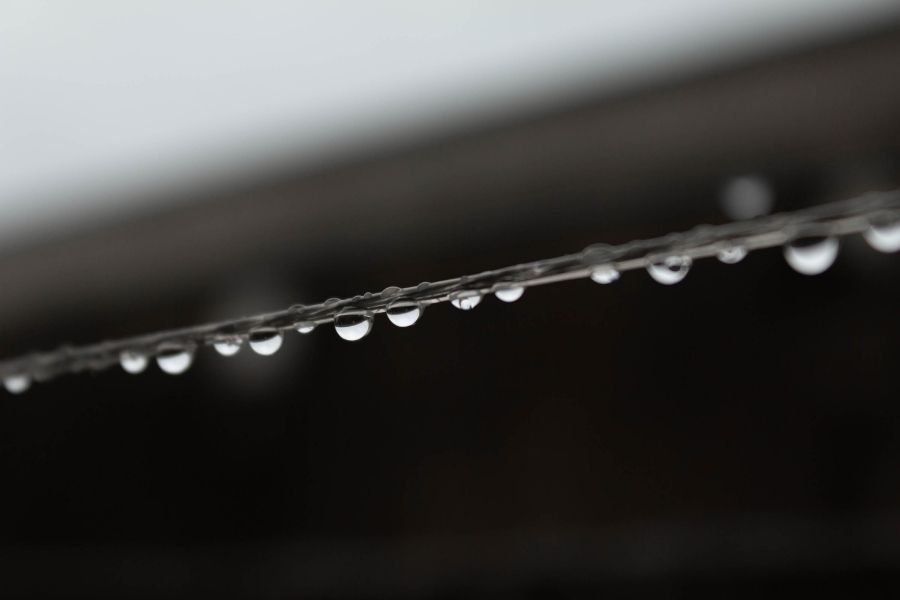
Visible frost indicates pipes are at freezing temperatures
Unpleasant odors signal hidden damage. Smell something musty or sewage-like? A frozen drain pipe might be backing up. When drain lines freeze, waste water can’t escape.
Need Emergency Help?
Frozen pipes can burst within hours. RemediH2O provides 24/7 emergency response across Aspen, Glenwood Springs, and Colorado’s Roaring Fork Valley.
Where Water Damage Hides in Winter
Frozen pipe damage doesn’t always show up immediately.
Exterior walls hold the most risk. Pipes along outside walls face direct cold exposure. When ice forms and pipes burst, water saturates insulation and drywall. You might not see visible damage for days while mold grows inside wall cavities.
Attics create perfect conditions for freeze damage. Many homes run water lines through attics for bathroom plumbing. When these pipes burst, water cascades through ceilings, often damaging multiple rooms before you notice.
Crawl spaces are freeze magnets. Poor ventilation and cold infiltration make crawl spaces vulnerable. Burst pipes here flood foundations and create persistent moisture problems. We’ve seen cases where homeowners didn’t discover damage for weeks, requiring mold remediation.
Unheated areas demand attention. Garages, basements, and utility rooms often lack proper heating. One burst pipe in an unheated garage can release hundreds of gallons before you notice.
5-Minute Frozen Pipe Inspection
Perform this quick check when temperatures drop below freezing. Takes five minutes, could save thousands.
| Location | What to Check | Red Flags |
|---|---|---|
| Kitchen & Bathrooms | Turn on all faucets, check water pressure | Weak flow, no hot water, strange sounds |
| Basement | Feel exposed pipes, look for frost | Cold to touch, visible frost, dripping |
| Crawl Space | Inspect with flashlight, check for moisture | Standing water, ice formation, wet insulation |
| Attic | Look at ceiling for stains, check pipes if accessible | Water stains, sagging drywall, dripping |
| Exterior Walls | Test faucets on outside walls, check cabinets | Cold air drafts, reduced flow, bulging walls |
This systematic approach helps you catch problems before pipes burst. For homes in mountain communities like Aspen and Vail, weekly checks during winter make sense.
What to Do When You Find Frozen Pipes
Time matters when dealing with frozen pipes. Take these steps immediately.
Shut off your water main first. Locate your main shutoff valve before winter. Turning off water prevents flooding if pipes burst. Most Colorado homes have the shutoff in the basement or crawl space.
Open affected faucets. Turn on both hot and cold taps connected to frozen pipes. This relieves pressure and allows water to flow as ice melts.
Apply gentle heat carefully. Use a hairdryer, heat lamp, or warm towels on accessible frozen sections. Never use open flames. Work from the faucet toward the frozen area.
Call professionals for hidden freezes. If pipes run inside walls or ceilings, don’t attempt DIY fixes. At RemediH2O, our technicians use thermal imaging to locate frozen sections safely.
Learn more in our guide on emergency water shutoff locations every homeowner should know.
Pro Tip: Document Everything
Take photos and videos of frozen pipes and any water damage. Note the date, time, and temperature when you first spotted problems. This documentation helps with insurance claims.
Stop Future Freeze Damage
Prevention costs far less than repairs.
Insulate vulnerable pipes now. Focus on pipes in unheated spaces. Foam pipe insulation costs around $1 per foot and prevents most freeze problems. The Department of Energy recommends R-3 rated insulation.
Let faucets drip during extreme cold. A tiny trickle prevents freezing because moving water is harder to freeze. It’s far cheaper than burst pipe repairs.
Maintain consistent indoor temperatures. Keep your thermostat at 55°F minimum, even when away. If leaving during winter, have someone check your home daily.
Seal air leaks and disconnect outdoor hoses. Use caulk or spray foam where pipes penetrate walls. Disconnect hoses, drain outdoor spigots, and shut off interior valves feeding exterior faucets.
For comprehensive winter preparation, read our article on how to prepare your mountain home for cold weather.
Common Questions About Frozen Pipe Damage
How quickly can frozen pipes cause water damage?
Frozen pipes can burst within 4-5 hours of initial freezing. Once burst, a single crack releases 200-300 gallons per hour. We’ve seen overnight freezing lead to thousands in damage by morning. The key is catching frozen pipes before they burst.
Will my homeowner’s insurance cover frozen pipe water damage?
Most Colorado homeowner policies cover sudden water damage from burst frozen pipes. However, insurance typically won’t pay if damage resulted from negligence like leaving your home unheated during winter. Maintain proof you took reasonable preventive measures.
Can I thaw frozen pipes myself or should I call professionals?
You can safely thaw accessible pipes using gentle heat sources like hair dryers. However, call professionals immediately if pipes are inside walls, ceilings, or crawl spaces. Professional restoration companies have thermal imaging equipment that locates frozen sections without destructive investigation.
What temperature should I keep my home to prevent frozen pipes?
Maintain indoor temperatures at 55°F minimum, even when traveling. Pipes typically freeze when temperatures drop below 20°F for several hours. For Colorado mountain homes where temperatures regularly drop below zero, keeping thermostats at 60-65°F provides better protection.
Frozen Pipe Emergency? We’re Here 24/7
RemediH2O provides immediate response for frozen pipe water damage throughout Colorado’s Western Slope and Roaring Fork Valley. Our IICRC-certified technicians handle everything from minor freeze damage to major burst pipe flooding.
Serving Aspen, Vail, Glenwood Springs, Silt, Rifle, and surrounding areas
Winter in Colorado brings beautiful snow and challenging conditions for home plumbing. By learning to spot early warning signs of frozen pipes, performing regular inspections, and knowing when to call professionals, you protect your property from devastating water damage. For more winter safety information, check out our guide on signs of water damage behind walls in winter weather.
Remember, frozen pipe damage rarely announces itself loudly. Those subtle signs are your home asking for help. Listen carefully, inspect regularly, and contact our team the moment you suspect trouble.