Water damage is stressful enough on its own. But here’s the part many homeowners miss until it’s too late: the water isn’t always the biggest problem. Mold is. Whether you’ve had a pipe burst, a basement flood, or a slow roof leak, mold may already be on the clock. Our team at RemediH2O has responded to these situations across Colorado’s Western Slope and Roaring Fork Valley many times, and the timeline is tighter than most people expect.
Understanding how mold grows after water damage gives you a real shot at stopping it. Here’s what happens, when it happens, and what you can do about it.
How Fast Does Mold Grow After Water Damage?
Mold can begin colonizing wet surfaces in as little as 24 to 48 hours. That’s biology, not a scare tactic. Mold spores are already present in virtually every home, floating in the air at harmless concentrations. What activates them is simple: moisture, a food source like drywall or wood, and temperatures between about 40 and 100 degrees Fahrenheit.
When water damage creates those conditions, dormant spores start to germinate fast. According to the EPA, mold growth can begin within 24 to 48 hours of water exposure. That’s why getting water out quickly matters so much.
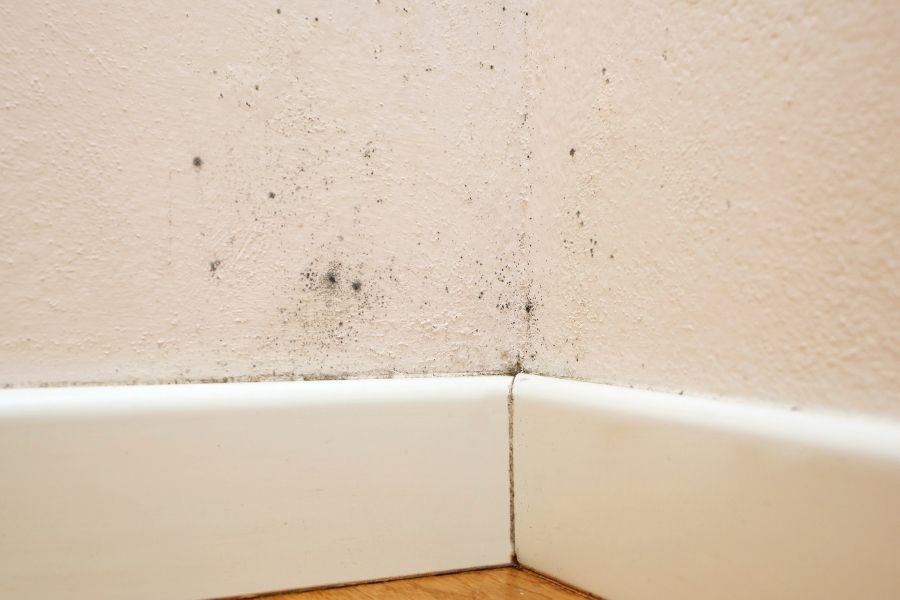
Don’t Wait on Water Damage
Mold can start growing within 24-48 hours. If you’ve had a water event, time is working against you.
The Mold Growth Timeline: What’s Happening Inside Your Home
Not all water damage carries the same risk. Here’s a realistic breakdown of what’s happening in your walls, floors, and ceilings after a water event:
| Timeframe | What’s Happening | Risk Level |
|---|---|---|
| 0-1 Hours | Water absorbs into drywall, wood, and carpet padding. Damage is spreading. | Low |
| 1-24 Hours | Drywall swells, wood floors buckle, humidity climbs. Spores begin activating. | Moderate |
| 24-48 Hours | Mold colonization can begin. Odors develop. Structural materials degrade. | High |
| 3-7 Days | Visible mold likely. Musty odor noticeable. Affected materials may need removal. | Severe |
| 1-2 Weeks+ | Mold spreads to adjacent materials. Structural damage accelerates. Health risks increase. | Critical |
The window between water damage and a mold problem is short. Staying within that first 24 hours gives drying equipment its best chance to pull moisture before mold takes hold.
What Makes Mold Grow Faster?
Warm temperatures, poor ventilation, and elevated humidity all accelerate colonization. Organic materials like wood framing and drywall paper give mold exactly the food source it needs. Contaminated water speeds things up even more. Sewage backups and floodwater carry bacteria and organic material that push microbial growth into overdrive compared to a clean pipe break.
Why Mountain Climates on the Western Slope Speed Things Up
Homes in Silt, Aspen, Glenwood Springs, and the Roaring Fork Valley face specific challenges when it comes to mold after water damage. The mountain climate plays a real role.
Spring Snowmelt and Crawl Spaces
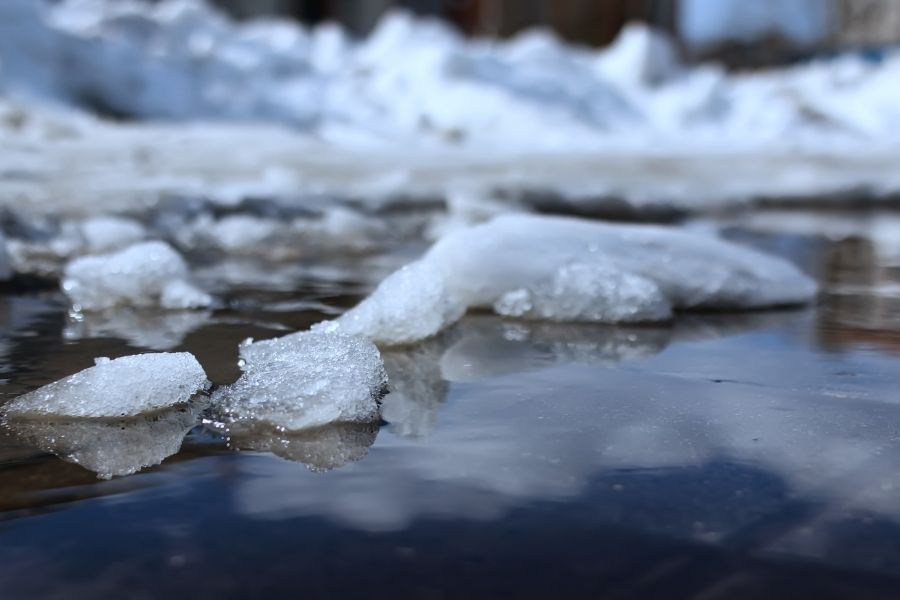
Colorado’s Western Slope sees significant snowmelt in late winter and early spring. That water saturates the ground and finds its way into basements and crawl spaces, creating ideal mold conditions in areas you rarely inspect. Temperature swings during the same period create condensation on cold surfaces, adding moisture even when there’s no visible leak. Our guide on avoiding water damage in mountain homes covers how to get ahead of these seasonal risks.
Tight Building Envelopes
Newer energy-efficient construction creates tightly sealed homes. Great for heating bills in the winter. Not always great after a water event. When a pipe bursts or an appliance leaks in a tightly sealed home, humidity has nowhere to go. Moisture stays trapped in walls and floors far longer than in older, draftier construction, giving mold more time to establish.
Warning Signs You Already Have Mold
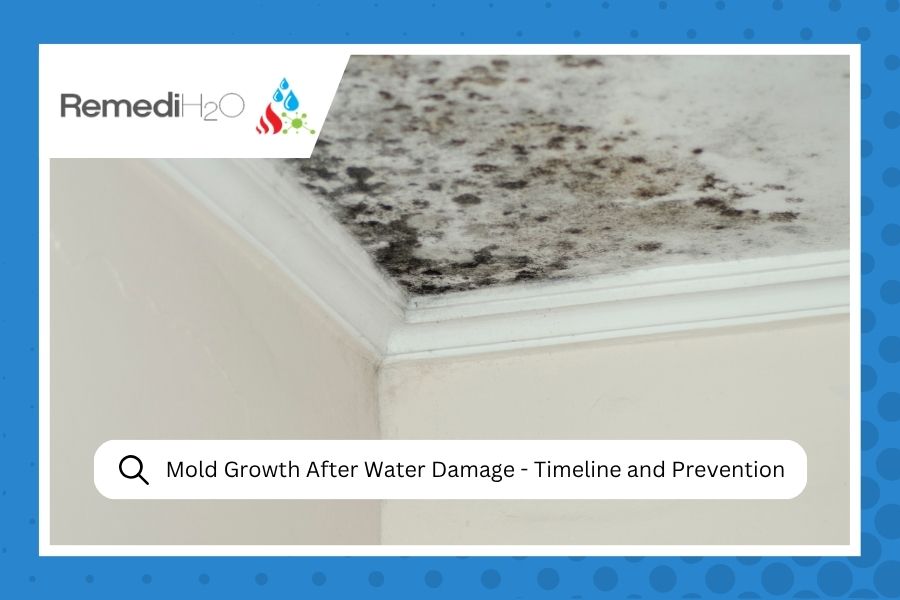
Mold often hides inside wall cavities, under flooring, or in insulation where you can’t see it. Watch for these signs after any water event:
- Musty or earthy odor that wasn’t present before the water event
- Discoloration on walls, ceilings, or floors that appeared after drying
- Soft or warped drywall that doesn’t firm up once the area appears dry
- Peeling paint or wallpaper bubbling away from surfaces
- Allergy-like symptoms that worsen when you’re spending time at home
- Visible spots in black, green, white, or grey on any surface
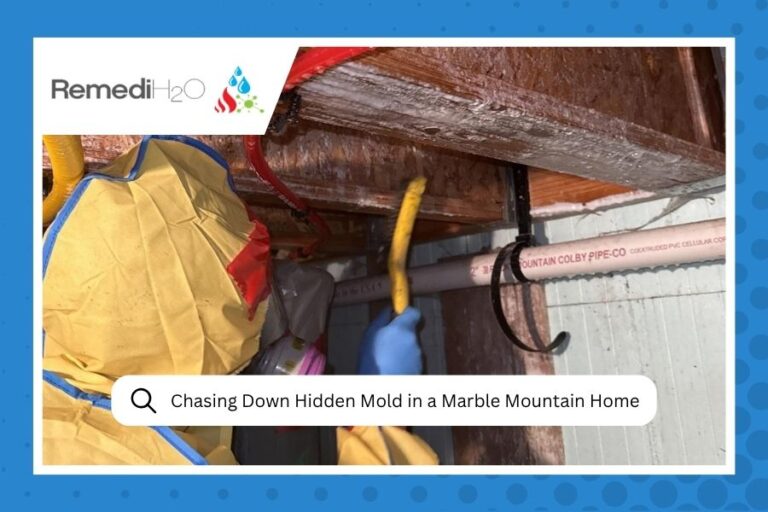
That musty smell is usually the first real clue. We’ve documented what hidden mold looks like in our Carbondale mold restoration case study, which shows how far it can spread before it becomes visible.
How to Prevent Mold After Water Damage
Prevention comes down to one thing: removing moisture before mold can colonize. Here’s what actually works.
Act Fast in the First 24 Hours
Stop the water source if it’s still active, then remove standing water with a wet vac or pump. Pull up soaked rugs and soft goods that can’t be dried quickly. Open windows and run fans if outdoor humidity is lower than indoor. Call for professional extraction before that 24-hour mark if you can.
What you can’t do at home is dry inside walls or under flooring. Consumer fans move surface air but don’t reach moisture trapped in structural materials. If that moisture stays put, mold can grow even when the surface looks and feels completely dry.
What Professional Drying Actually Does
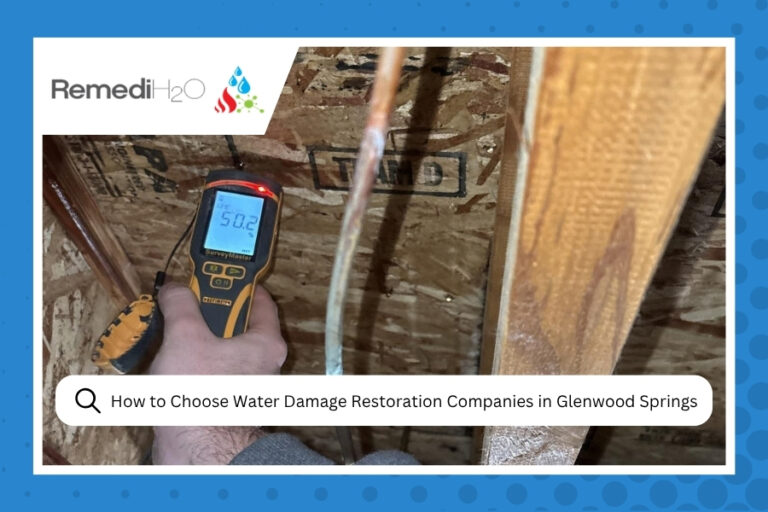
Our water damage restoration process uses moisture meters to measure actual moisture content inside walls and floors, not just the surface. We don’t call a job dry until readings match the standard for each material type. IICRC-certified technicians follow the S500 water damage standard, which sets specific drying protocols. Visual inspection alone isn’t enough, and that’s exactly why it exists.
Long-Term Habits That Help
After the immediate crisis is resolved, a few habits cut your long-term mold risk significantly. Keep indoor humidity below 50% year-round. Run exhaust fans in kitchens and bathrooms. Inspect crawl spaces after every major snowmelt. Check under sinks monthly for slow drips, and make sure gutters and downspouts direct water well away from your foundation. You can also read more about what drives mold formation in our overview of how black mold develops after water damage.
Mold Concerns? We Can Help.
RemediH2O serves Silt, Aspen, and communities across Colorado’s Western Slope 24/7. IICRC-certified and locally owned.
Frequently Asked Questions
How long does it take for mold to grow after water damage in a Colorado home?
Mold can begin colonizing wet surfaces in as little as 24 to 48 hours after water exposure. In Western Slope homes, tight building envelopes and spring snowmelt can push that timeline even faster. The sooner moisture is professionally removed, the better your chances of avoiding mold growth.
Can mold grow inside walls where I can’t see it?
Yes. Mold frequently grows inside wall cavities, under flooring, and in insulation where it isn’t visible. A musty odor, soft drywall, or allergy-like symptoms are often the first signs after a water event. Professional moisture testing can find it before it spreads further.
Is it safe to dry water damage myself without calling a professional?
Surface water on non-porous materials like tile can often be handled yourself. But water that reached drywall, wood framing, or carpet requires professional drying equipment. Consumer fans only move surface air and won’t prevent mold inside structural components.
How does the Western Slope climate affect mold risk after water damage?
Spring snowmelt pushes moisture into crawl spaces and basements across the Roaring Fork Valley. Energy-efficient homes trap humidity after water events. Seasonal temperature swings create condensation on cold surfaces, adding ongoing moisture that raises year-round mold risk.