
Jump To:
Living in the Vail Valley means stunning mountain views, world-class skiing, and yes, brutal winters that can wreak havoc on your home. One of the sneakiest threats? Ice dams. These ridge-like formations of ice might look harmless from the ground, but they can lead to serious water damage that’ll have you calling for emergency water damage restoration in Aspen faster than you can say “spring thaw.”
The good news is that with the right preparation and quick response, you can protect your home from the costly damage ice dams cause. Our team at RemediH2O has seen it all, from minor leaks to full-blown interior flooding, and we’re here to share what actually works when it comes to ice dam prevention and response.
Understanding Ice Dams: What Vail Valley Homeowners Need to Know
Here’s the deal: ice dams form when heat from your attic melts snow on your roof. That melted snow runs down until it hits the colder eaves, where it refreezes. Over time, this creates a dam that traps water behind it. Eventually, that trapped water has nowhere to go but under your shingles and into your home.
In Colorado’s Roaring Fork Valley, we see this constantly. Our heavy snowfall combined with those temperature swings (warm afternoons, freezing nights) creates perfect ice dam conditions. The result? Water stains on ceilings, damaged insulation, ruined drywall, and sometimes even mold growth if the problem goes unnoticed.
According to the EPA’s guidance on moisture control in buildings, proper home maintenance and moisture management are critical for preventing water intrusion and related damage. Understanding how moisture moves through your home’s building envelope can help you identify vulnerabilities before ice dams exploit them.
Need Emergency Help?
Ice dams causing water damage right now? Don’t wait for things to get worse. Our team responds 24/7 to water emergencies throughout Colorado’s Western Slope.
8-Point Ice Dam Prevention Checklist
Prevention is always cheaper than repair. Here’s your game plan for keeping ice dams from forming in the first place:
1. Keep Your Gutters Clean
Clogged gutters are ice dam magnets. When debris blocks water flow, it pools and freezes, creating the perfect foundation for an ice dam. Clean your gutters in late fall, and check them again after major storms.
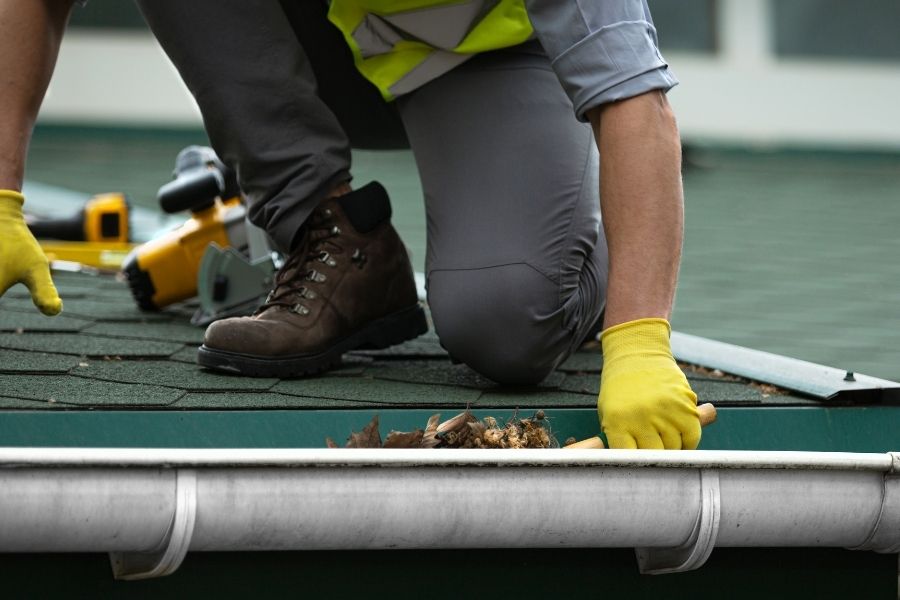
Regular gutter maintenance is your first line of defense against ice dam formation.
2. Improve Attic Insulation
If heat’s escaping through your roof, you’re basically inviting ice dams over for dinner. Proper attic insulation keeps warm air where it belongs (inside your home) and prevents the melt-freeze cycle on your roof. Aim for at least R-38 insulation in the Vail Valley.
3. Seal Air Leaks
Those recessed lights, bathroom fans, and attic hatches? They’re all potential heat escape routes. Use weatherstripping and caulk to seal gaps. Even small leaks add up to major heat loss.
4. Ensure Proper Attic Ventilation
Good ventilation keeps your attic temperature close to outside temperatures. Install soffit vents at the eaves and ridge vents at the peak to create airflow. This prevents heat buildup that melts snow unevenly.
5. Use a Roof Rake After Heavy Snow
Can’t prevent snow from piling up? Remove it safely from the ground using a roof rake. Focus on the bottom three to four feet of your roofline where ice dams typically form.
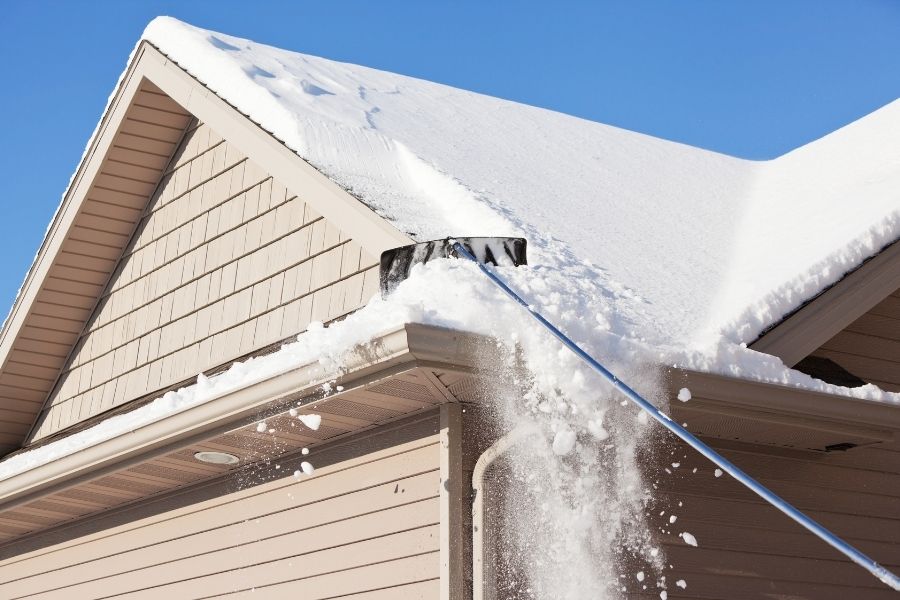
A roof rake lets you safely remove snow buildup before it becomes a problem.
6. Install Heat Cables
For persistent problem areas, heat cables (also called heat tape) can prevent ice dam formation. These cables create channels for water to flow off your roof. They’re not a permanent fix for poor insulation, but they work in a pinch.
7. Check Your Roof Pitch
Lower-pitch roofs are more susceptible to ice dams because water drains more slowly. If you’re building new or replacing your roof, consider a steeper pitch if ice dams have been a recurring issue.
8. Monitor Your Attic Temperature
Grab a thermometer and check your attic on a cold day. It should be close to the outside temperature. If it’s significantly warmer, you’ve got heat loss issues that need addressing.
| Prevention Method | Difficulty | Effectiveness |
|---|---|---|
| Clean Gutters | Easy | High |
| Improve Insulation | Moderate | Very High |
| Seal Air Leaks | Easy | High |
| Add Ventilation | Moderate | Very High |
| Use Roof Rake | Easy | Moderate |
| Install Heat Cables | Moderate | Moderate |
Warning Signs You’re Developing an Ice Dam
Catching ice dams early can save you thousands in water damage repairs. Here’s what to watch for:
Icicles along your roofline: A few icicles are normal, but a continuous row of large icicles screams ice dam. They indicate water is pooling and refreezing.
Ice buildup at the edge of your roof: If you can see thick ridges of ice from the ground, you’ve got an ice dam forming or already formed.
Water stains on ceilings or walls: This is the big one. If you’re seeing stains, water has already breached your roof and is entering your home. Time to call for water damage repair immediately.
Sagging gutters: Ice is heavy. If your gutters are pulling away from the house or sagging noticeably, ice dams might be to blame.
Peeling paint or wallpaper: Moisture from ice dam leaks can cause interior finishes to bubble, peel, or discolor.
We’ve responded to countless ice dam emergencies in Vail, Aspen, and throughout the Roaring Fork Valley. The homeowners who catch these signs early always fare better than those who ignore them until there’s water dripping from light fixtures. For more information on related winter issues, check out our guide on preparing your mountain home for winter.
What to Do When Ice Dams Strike
Alright, so you’ve got an ice dam and water’s coming in. Don’t panic. Here’s your emergency action plan:
Step 1: Contain the Water
Grab buckets, towels, anything to catch dripping water and protect your floors and furniture. Move valuables away from affected areas.
Step 2: Document Everything
Take photos and videos of the damage. Your insurance company will need this documentation. Snap pictures of the ice dam itself, water stains, and any damaged belongings.
Step 3: Call for Professional Help
Ice dam removal and water damage restoration aren’t DIY jobs. Climbing on an icy roof is dangerous, and improper removal can damage your shingles. Our team at RemediH2O provides 24/7 emergency response for situations exactly like this.
Step 4: Don’t Use Salt or Sharp Tools
You might be tempted to hack away at the ice or dump rock salt on your roof. Don’t. Salt corrodes metal roof components, and sharp tools will puncture your shingles. Professional removal uses steam or hot water, which is safe and effective.
Step 5: Address Interior Water Damage Immediately
Even small amounts of water can lead to mold growth within 24 to 48 hours. Professional water extraction and drying prevents long-term problems. If you’re dealing with potential mold concerns, our mold remediation services can help address those issues before they escalate.
When to Call the Pros
Some prevention tasks are totally manageable for handy homeowners. Others? Not so much. Here’s when you should call in professional help:
If water has already entered your home, time is critical. Water damage spreads fast, and the longer you wait, the more expensive repairs become. Our IICRC-certified team responds immediately to ice dam emergencies throughout Colorado’s Western Slope, providing extraction, drying, and restoration services to get your home back to normal.
For ice dam removal itself, professionals have the right equipment and safety training to remove ice without damaging your roof or risking a dangerous fall. We’ve seen too many homeowners hurt themselves trying to DIY this job.
If your attic needs significant insulation or ventilation improvements, hiring a contractor ensures the work meets building codes and actually solves the problem. Improper insulation can make ice dams worse.
Finally, if ice dams are a recurring issue at your property, a professional assessment can identify the root cause. Maybe it’s inadequate insulation, maybe it’s poor ventilation, or maybe there’s a structural issue that needs addressing. Either way, getting expert eyes on the problem saves money long term.
RemediH2O serves homeowners throughout Vail, Aspen, Glenwood Springs, and surrounding mountain communities. We understand the unique challenges Colorado mountain homes face, and we’re here to help whether you need emergency water damage restoration or advice on preventing future problems. You can also explore our Vail disaster restoration services for more information about how we serve your specific area.
Frequently Asked Questions
Can I prevent ice dams without replacing my roof?
Absolutely. Most ice dam prevention doesn’t require roof replacement. Improving attic insulation and ventilation, sealing air leaks, and keeping gutters clean are highly effective measures that don’t involve touching your roof. Heat cables can also provide a temporary solution for problem areas. Only consider roof replacement if your current roof is nearing the end of its lifespan or has structural issues contributing to ice dams.
How quickly can ice dams cause water damage inside my home?
It depends on the severity of the ice dam and how much water is pooling behind it. In some cases, water can penetrate your home within hours of an ice dam forming, especially during rapid temperature swings or heavy snowmelt. Once water enters your attic or walls, damage can escalate quickly. That’s why monitoring for warning signs and responding immediately to any water intrusion is so important during winter months.
Does homeowners insurance cover ice dam damage?
Most standard homeowners insurance policies cover sudden and accidental water damage caused by ice dams, but coverage can vary. Some policies may exclude damage if the insurance company determines the homeowner failed to properly maintain the property. Document the damage thoroughly with photos and videos, and contact your insurance company as soon as you discover the problem. Our team at RemediH2O works directly with insurance companies to streamline the claims process and ensure you get the coverage you deserve.
Are ice dams more common in certain Vail Valley neighborhoods?
Ice dams can happen anywhere in the Vail Valley, but homes at higher elevations with lower-pitch roofs and older insulation systems tend to be more susceptible. North-facing roofs may also develop ice dams more frequently because they receive less direct sunlight to melt accumulated snow. That said, any home can develop ice dams if conditions are right, regardless of location or age. Prevention measures work for all properties.